China OEM and ODM Factories: MOQs & How to Choose
Sourcing reliable manufacturing in China starts early.
Choosing between OEM and ODM factories shapes your upfront tooling costs, minimum order quantities, and product control. Aligning MOQ commitments with real demand protects cash flow while securing dependable unit economics.Use the breakdown below to compare sourcing models, negotiate realistic MOQs, and vet vetted suppliers before signing a production contract.
OEM vs ODM Manufacturing Models
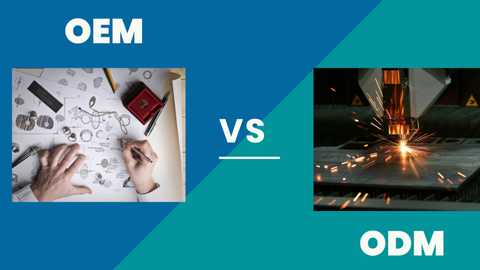
OEM factories manufacture products from your exact engineering drawings, CAD files, and material specifications. You retain full control over custom molds, component grades, and proprietary branding, while taking on tooling investment and engineering validation.
ODM factories supply pre-engineered product platforms that you customize with external branding, packaging, or minor feature tweaks. This route speeds up launch timelines and lowers upfront R&D, though competing brands may source similar base designs.
| Model | Upfront Cost | Launch Speed | IP Control |
| OEM factory | Higher tooling | Slower build | Full control |
| ODM supplier | Lower setup | Faster launch | Shared base |
| Hybrid sourcing | Moderate spend | Balanced pace | Partial control |
How MOQs Shape Pricing and Cash Flow
Minimum order quantities reflect factory setup time, raw material batch sizes, and assembly line changeover costs. Higher order volumes lower per-unit pricing, yet oversized MOQs tie up working capital and increase warehousing risk on unproven SKUs.
Smart buyers evaluate landed unit cost alongside holding costs, shipping, and unsold stock risk rather than chasing the lowest quote. Negotiating tiered MOQs or staged initial runs lets you validate market pull before committing to full-scale batches.
OEM Manufacturing Suppliers and ODM Product Suppliers
Evaluating OEM manufacturing suppliers requires verifying CNC machining, injection molding, and assembly capacity matched to your part tolerances. Request sample parts from existing tooling and review defect-rate logs before funding custom production molds.
When comparing ODM product suppliers, inspect proven catalog units for build durability, certification readiness, and component availability. Confirm what hardware or firmware changes the factory permits so your product stands apart on retail shelves.
China OEM ODM Pricing and Production Costs
Understanding China OEM ODM pricing means separating one-time non-recurring engineering and mold charges from recurring per-unit production costs. Always confirm whether quotes cover packaging, inserts, testing, and factory gate versus FOB shipping terms.
Watch for hidden charges when China OEM ODM factories adjust rates for raw resin swings, custom color matching, or extra compliance testing. Locking clear specifications in writing prevents surprise invoice markups right before shipment.
Choosing the Right Factory Partner
Start by shortlisting factories that specialize in your exact product category rather than general trading intermediaries. Direct plant audits or third-party inspections confirm real headcount, machinery upkeep, and quality control checkpoints.
Compare responsiveness, engineering clarity, and sample turnaround speed during quoting. A transparent supplier that flags design risks early usually delivers cleaner runs than one promising unrealistic lead times.
Vetting Steps Before Placing a First Order
Order pre-production samples and test them under real operating conditions before approving mass production. Check material certifications, packaging drop-test results, and label accuracy early to avoid customs delays.
Require pre-shipment inspection against an agreed quality checklist before releasing final balance payments. Building a small pilot order into your agreement tests communication and reliability under real schedule pressure.
Frequently Asked Questions
How do I negotiate lower MOQs with a factory?
Ask for a trial or pilot order tied to a clear forecast for subsequent production runs. Offering flexible delivery windows or using existing factory packaging can also help lower initial batch minimums.
When is ODM better than custom OEM manufacturing?
ODM fits best when you need a faster market entry with lower initial capital and standard product functionality. OEM makes more sense when proprietary design, custom tooling, or unique performance is central to your brand.
How can I avoid middlemen posing as factories?
Verify business licenses, inspect factory floor photos or live video walkthroughs, and check export records tied to the facility address. Paying attention to whether engineering answers come directly from technical staff also helps confirm direct plant access.
What should be included in a factory purchase agreement?
Spell out product specifications, acceptable quality limits, MOQ terms, unit pricing, payment milestones, and delivery schedules. Clear remedies for defective batches or missed lead times protect your order from disputes.
Conclusion
Selecting the right China OEM or ODM partner comes down to matching product control, startup capital, and realistic MOQ commitments to your launch stage. Structured sample testing and clear contract terms reduce costly surprises as your order volume grows.
Take time to benchmark multiple direct suppliers on total landed cost and quality consistency before locking in tooling. A disciplined sourcing process turns factory selection into a lasting competitive advantage.

Related Post...

Steel Grade Composition: Explore How Finish Affects Material Strength
Updated: November 20, 2026
Read More
Monel Alloy Tubing Basics for Better Industrial Material Selection
Updated: November 03, 2026
Read More
Hydraulic Lifting Table Insights for Efficient Material Handling
Updated: November 04, 2026
Read More