Over time, industries have grown in scale and complexity. Buildings are taller, storage systems are more vertical, and the weight and volume of materials have increased. These changes created the need for specialized lifting technologies that can handle repetitive tasks with precision. From moving pallets between floors to positioning machinery during installation, industrial lift systems form a key part of modern material handling infrastructure.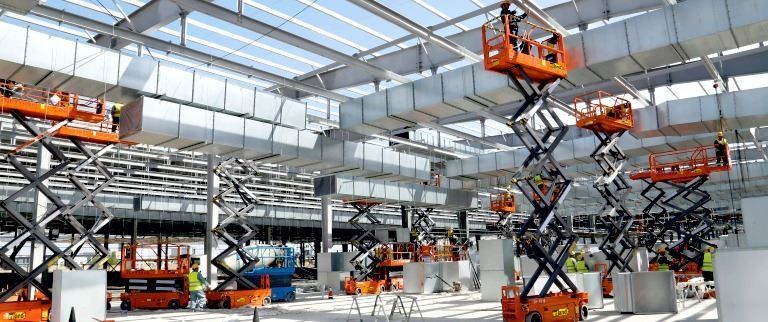
Industrial lifts are different from residential or commercial passenger elevators. They are designed for performance, durability, and load stability under more demanding conditions, often operating continuously across long shifts. Their design focuses on high load capacity, operational reliability, and adherence to strict safety parameters.
Common environments where industrial lifts are used include:
-
Manufacturing units for raw materials and finished goods
-
E-commerce and logistics warehouses
-
Automobile assembly plants
-
Mining and energy facilities
-
Shipyards and ports
-
High-rise construction sites
They are also widely used in data centers, cold storage units, and pharmaceutical facilities where precise movement and controlled positioning are essential.
Why industrial lifts matter today
Industrial lifts play a significant role in modern business operations, infrastructure development, and workforce safety. As automation and smart manufacturing become more widespread, lifting systems form the backbone of efficient vertical transportation inside facilities.
Their importance can be understood through the following aspects:
-
Workplace productivity: By automating movement tasks, industrial lifts significantly reduce the time required to transport materials or equipment between different levels or zones.
-
Improved safety: These systems reduce the risk of injuries caused by manual lifting, falling objects, or unsafe climbing practices on temporary platforms.
-
Operational consistency: Machinery-based lifting ensures consistent speed, positioning, and handling, which is essential for standardized workflows.
-
Space optimization: Vertical movement capabilities make it possible to fully use available building height, leading to more efficient storage and production layouts.
-
Support for industrial automation: Many lifts are integrated with programmable logic controllers and sensors, enabling seamless coordination with conveyor belts and robotic systems.
Industries that rely heavily on industrial lifts include manufacturing, logistics, energy, construction, automotive, food processing, and pharmaceuticals. With more emphasis on worker well-being, safer working environments, and operational efficiency, industrial lifting systems continue to gain relevance.
Key problems these systems help solve
-
Manual handling risks
-
Time delays in internal material movement
-
Inefficient use of vertical space
-
Inconsistent positioning
-
Overdependence on human strength for heavy tasks
Recent updates, trends, and developments
In the last year, industrial lift systems have seen innovation mainly driven by automation, safety requirements, and energy optimization.
Smart and IoT-enabled lifting systems – 2024
Many modern industrial lifts are now equipped with smart sensors that monitor load weight, movement patterns, vibration levels, and system health. These sensors help prevent overloading, reduce downtime through predictive maintenance, and enhance operational visibility.
Stronger focus on energy-efficient motors – Mid 2024
Manufacturers have shifted toward energy-efficient motors and regenerative drive technology. These systems allow the lift to convert excess energy during descent into usable power, improving overall energy performance inside large-scale industrial sites.
Integration with warehouse management systems – Late 2024
A growing number of industrial lifts are now compatible with Warehouse Management Systems (WMS) and Industrial Internet of Things (IIoT) platforms. This integration allows for real-time tracking and optimized routing during material movement.
Enhanced safety features – 2024–2025
There has been increased adoption of:
-
Automatic braking systems
-
Overload indicators
-
Anti-slip and self-locking platforms
-
Emergency descent mechanisms
These improvements have been driven by workplace safety audits and stricter compliance monitoring in industrial zones.
Sustainable materials and eco-compliant manufacturing – 2025
Newer lift structures are designed using corrosion-resistant and recyclable materials. This helps reduce environmental impact and extend the lifespan of equipment in harsh industrial environments.
These trends align with the larger movement toward Industry 4.0, sustainable infrastructure, and human-centric workspace design.
Laws, standards, and policies that affect industrial lifts
The use of industrial lifts is guided by safety, labor, and construction regulations. In India, several national and international standards influence how industrial lifting equipment is manufactured, installed, and operated.
Key Indian regulations and standards
-
Factories Act, 1948 – Covers worker safety and operational conditions within industrial facilities, including mechanical equipment
-
Bureau of Indian Standards (BIS) – Provides technical standards for lifts and hoisting equipment
-
Indian Electricity Rules – Defines safe electrical practices for powered systems
-
Building Codes (NBC of India) – Regulate vertical transport systems in industrial buildings
-
State-level labour and safety departments – Conduct inspections and enforce safety compliance
International guidelines that often influence standards
-
ISO standards for lifting equipment safety
-
OSHA workplace safety recommendations
-
EN (European Norms) for lift and machinery safety
Compliance generally covers:
-
Maximum weight capacity labeling
-
Mandatory safety devices and emergency stops
-
Routine inspections and testing
-
Protection against electrical, mechanical, and fire hazards
-
Training requirements for operators
Industrial facilities are expected to maintain proper records of inspections, maintenance logs, and operational audits to meet compliance requirements.
Types of industrial lifts and their core functions
| Type of Industrial Lift | Common Application | Main Function |
|---|---|---|
| Hydraulic lift | Factories, workshops | Elevates heavy loads using fluid pressure |
| Scissor lift | Warehouses, maintenance | Provides vertical access to elevated areas |
| Freight elevator | Multi-level factories | Moves bulk goods between floors |
| Vertical reciprocating conveyor (VRC) | Distribution centers | Transfers materials between floors |
| Boom lift | Construction, maintenance | Provides horizontal and vertical reach |
| Platform lift | Assembly lines | Carries tools and machinery at fixed points |
Each type is designed to match specific usage conditions based on load size, frequency, height requirement, and operating environment.
Helpful tools and resources related to industrial lifts
Several digital tools and professional resources help industrial planners, engineers, and safety officers evaluate and manage lifting equipment:
-
Load capacity calculators – Estimate maximum weight handling for different applications
-
Maintenance scheduling software – Automates inspection and service reminders
-
Lift performance monitoring dashboards – Track usage cycles and efficiency
-
BIS standards documentation – Reference for compliance guidelines in India
-
OSHA safety guides – General safety framework for lifting practices
-
Industrial design simulation tools – Visualize lift placement in facility layouts
-
Operator safety training modules – Digital courses on correct operation and risk awareness
These tools support informed system planning, safety enhancement, and long-term operational reliability.
Safety considerations in everyday use
Although industrial lifts reduce physical strain, improper use can create risk. Key safe-use principles include:
-
Never exceed maximum load capacity
-
Use only trained personnel for operation
-
Schedule routine inspections
-
Keep the platform clear of obstructions
-
Ensure emergency stops are functional
-
Check power connections before activation
-
Use safety gear such as helmets and harnesses when required
Proper signage, regular audits, and operator awareness play a crucial role in maintaining safe working environments around lifting equipment.
Frequently asked questions
Are industrial lifts the same as elevators?
No. Elevators are usually designed for people in residential or commercial buildings, while industrial lifts are built for heavier loads, frequent use, and harsh environments.
How often should inspection be performed?
Routine checks are generally advised on a monthly or quarterly basis, with detailed annual inspections by certified professionals.
Do industrial lifts support automation systems?
Yes. Many modern lifts can integrate with automated warehouse systems and industrial software for real-time operation and monitoring.
What is the most common type used in warehouses?
Vertical reciprocating conveyors and scissor lifts are commonly used in storage and logistics environments.
Is operator training necessary?
Yes. Even simple industrial lifting equipment requires trained handling to maintain workplace safety and compliance.
Final thoughts
Industrial lifts have evolved into essential infrastructure tools that support the movement of goods, machinery, and personnel across modern industrial environments. With advancements in automation, smart monitoring, and energy efficiency, these systems are becoming more intelligent and safer while contributing to sustainable operations.
As industries continue shifting toward vertical expansion and digital integration, the role of lift technology will remain central in shaping efficient, compliant, and worker-friendly environments. A clear understanding of types, safety practices, policies, and technological trends helps businesses and facility managers make informed operational decisions without compromising safety or reliability.