Industrial Degasser: Types, Applications, Benefits and Working Principles
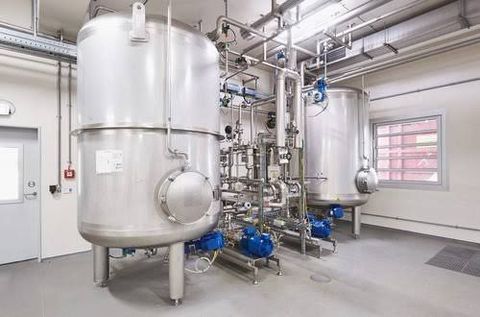
An industrial degasser is specialized equipment designed to remove unwanted dissolved gases, entrained air, and other gas contaminants from liquids used in industrial processes.
These systems are widely used in water treatment, oil and gas operations, chemical manufacturing, power generation, food processing, and pharmaceutical production.
Dissolved gases can affect product quality, reduce process efficiency, cause corrosion, and interfere with sensitive industrial operations. By removing these gases, an industrial degasser helps improve process reliability, protect equipment, and maintain consistent product performance.
As industries focus on operational efficiency and product quality, industrial degassing systems have become an important component of many production and treatment facilities.
What Is an Industrial Degasser?
An industrial degasser is a machine or process system that separates unwanted gases from a liquid. Depending on the application, it may remove oxygen, carbon dioxide, hydrogen sulfide, methane, or air trapped within a liquid.
The equipment typically works by changing pressure, temperature, surface area, or chemical conditions to encourage gases to leave the liquid. The released gases are then separated and safely discharged or recovered.
Industrial degassers are available in different configurations, including vacuum degassers, thermal degassers, membrane degassing systems, and mechanical gas-removal equipment. The appropriate design depends on the liquid being treated, the gases present, the required removal efficiency, and the operating conditions.
How Does an Industrial Degasser Work?
The operating principle of an industrial degasser depends on its design, but most systems rely on creating conditions that make dissolved gases easier to remove.
1. Liquid Enters the System
The process begins when contaminated or gas-containing liquid enters the degassing equipment. Depending on the application, the liquid may be water, a chemical solution, oil, or another industrial fluid.
The system may include filters, pumps, flow controls, and pretreatment equipment to maintain suitable operating conditions.
2. Gas Release Is Promoted
The liquid is exposed to conditions that encourage dissolved gases to separate from it. These conditions may involve reducing pressure, increasing temperature, creating a thin liquid film, or passing the liquid across a gas-permeable membrane.
The selected method depends on the properties of the liquid and the gases that must be removed.
3. Gas and Liquid Are Separated
Once gases leave the liquid, the equipment separates the gas phase from the treated liquid. Depending on the system, gases may be drawn into a vacuum line, collected in a venting chamber, or removed through a dedicated exhaust system.
Hazardous gases require appropriate containment, treatment, and disposal procedures.
4. Treated Liquid Leaves the Equipment
The degassed liquid exits the system and continues to the next stage of the industrial process. Some installations include monitoring instruments to measure pressure, temperature, flow rate, dissolved oxygen, or other relevant process parameters.
Proper monitoring helps operators maintain consistent performance and identify potential equipment problems.
Types of Industrial Degassers
Different industrial applications require different degassing technologies. Understanding the available options helps businesses select equipment suited to their processes.
Vacuum Degasser
A vacuum degasser reduces the pressure surrounding a liquid to encourage dissolved gases to escape. Lower pressure can reduce the amount of gas that remains dissolved in the liquid, allowing it to be removed more effectively.
Vacuum degassers are used in water treatment, chemical processing, industrial fluid preparation, and certain manufacturing applications.
Key benefits include:
Effective gas removal without necessarily requiring high temperatures.
Suitability for temperature-sensitive liquids.
Adaptability to different process requirements.
Potential improvements in liquid quality and process consistency.
The required vacuum level, contact time, and system configuration depend on the liquid and target gases.
Thermal Degasser
A thermal degasser uses heat to reduce gas solubility and promote gas release. Heating the liquid can help remove gases such as oxygen and carbon dioxide, depending on the operating conditions.
Thermal degassers are commonly associated with boiler feedwater treatment and power generation facilities.
In boiler systems, dissolved oxygen and carbon dioxide can contribute to corrosion. Removing these gases helps protect boilers, piping, and related equipment.
Thermal degassing generally requires a heat source and suitable temperature and pressure controls. Energy consumption should be considered when evaluating system performance.
Membrane Degasser
A membrane degasser uses a specialized membrane to facilitate gas transfer between a liquid and a gas-removal side. A vacuum or stripping gas may be used to improve removal, depending on the design.
These systems are used in applications that require controlled dissolved-gas levels, including electronics manufacturing, laboratory water systems, and certain chemical processes.
Membrane degassers can offer compact designs and precise process control. However, membrane compatibility, fouling, liquid chemistry, and maintenance requirements must be evaluated before installation.
Mechanical Degasser
Mechanical degassing systems use physical agitation, spraying, circulation, or increased liquid surface area to help release trapped gases.
These systems can be useful where process liquids contain entrained air or where a relatively straightforward gas-removal method is suitable.
The performance of mechanical degassers depends on the equipment design, liquid properties, flow rate, and degree of gas removal required.
Drilling Fluid Degasser
In oil and gas drilling operations, a drilling fluid degasser removes unwanted gases from drilling mud. Gas contamination can affect mud density, well control, and drilling efficiency.
Vacuum and atmospheric degassers may be used depending on the application and operating requirements.
Removing entrained gas helps restore the intended fluid properties and supports safer drilling operations. Equipment selection must account for the possibility of flammable or toxic gases and the need for appropriate ventilation and gas handling.
Applications of Industrial Degassers
Industrial degassers support many sectors where dissolved gases or entrained air can affect performance.
Water Treatment
Water treatment facilities use degassing equipment to remove dissolved gases that can contribute to corrosion, interfere with chemical treatment, or affect downstream processes.
Applications include industrial process water, high-purity water preparation, and specialized water treatment systems.
Power Generation
Power plants use degassing systems to treat boiler feedwater and reduce dissolved oxygen and carbon dioxide. These gases can contribute to corrosion in boilers and condensate systems.
Properly selected degassing equipment helps protect critical assets and supports reliable power generation.
Oil and Gas Industry
Oil and gas facilities use degassers to remove unwanted gases from drilling fluids and certain process streams.
In drilling operations, gas removal helps maintain fluid density and operating stability. In other applications, specialized equipment may be required to separate hydrocarbons, hydrogen sulfide, or other gases safely.
Chemical Manufacturing
Chemical manufacturers may use degassers to remove dissolved gases that interfere with reactions, product stability, or material quality.
Degassing can also help reduce bubbles in coatings, resins, adhesives, and other liquid formulations.
Food and Beverage Processing
In selected food and beverage applications, degassing can help control oxygen levels, reduce unwanted bubbles, and improve product consistency.
The equipment must be suitable for the product, hygienic requirements, cleaning procedures, and applicable food safety standards.
Pharmaceutical and Electronics Manufacturing
Pharmaceutical production and electronics manufacturing may require liquids with carefully controlled dissolved-gas concentrations.
Degassing can support process consistency, reduce bubble-related defects, and help maintain the quality of sensitive liquids. The required equipment and validation procedures depend on the specific production process.
Benefits of Using an Industrial Degasser
Improved Product Quality
Unwanted gases can cause bubbles, oxidation, inconsistent formulations, and other product defects. Removing them helps manufacturers maintain the desired physical and chemical properties of their products.
Reduced Corrosion Risk
Dissolved oxygen and carbon dioxide can contribute to corrosion in certain water and process systems. Appropriate degassing helps reduce this risk, although effective corrosion control may also require chemical treatment, suitable materials, and proper operating conditions.
Better Process Efficiency
Gas bubbles can interfere with pumping, mixing, heat transfer, chemical reactions, and other industrial operations. Removing unwanted gas can improve the consistency of these processes.
Protection of Industrial Equipment
Excessive gas entrainment can contribute to operational issues in pumps, pipelines, and other equipment. A suitable degassing system can help reduce these problems and support more reliable operations.
Consistent Process Performance
Industrial degassers can help maintain target dissolved-gas levels and reduce process variation. Monitoring and preventive maintenance are essential to achieving reliable results over time.
How to Choose the Right Industrial Degasser
Selecting the right industrial degasser requires an understanding of the process, the liquid, and the gases that need to be removed.
Identify the liquid and target gases. Determine whether the system will treat water, oil, chemicals, drilling fluids, or another liquid. Identify which gases are present and whether any are toxic, flammable, or corrosive.
Define the required performance. Establish the target dissolved-gas concentration, required removal efficiency, flow rate, and acceptable operating conditions.
Evaluate the operating environment. Consider liquid temperature, pressure, viscosity, chemical composition, and potential contamination. These factors influence equipment selection and material compatibility.
Compare operating costs. Review energy consumption, vacuum requirements, heating needs, replacement components, cleaning, and maintenance expenses.
Assess safety and compliance. Check pressure and vacuum ratings, ventilation, gas disposal, instrumentation, and applicable industry requirements. Hazardous-gas applications may require additional safety systems.
Review supplier support. Choose a supplier that can provide appropriate technical documentation, installation guidance, commissioning, spare parts, and ongoing maintenance support.
A properly sized degasser should meet the process requirements without creating unnecessary energy consumption or operational complexity.
Maintenance and Operational Best Practices
Regular maintenance helps industrial degassers operate reliably and maintain their intended performance.
Operators should inspect pumps, valves, seals, vacuum systems, vents, and instrumentation according to the manufacturer's recommendations. Membrane systems may require monitoring for fouling or degradation, while thermal degassers need appropriate checks of heating and pressure-control components.
Performance should be assessed using measurements appropriate to the application, such as dissolved oxygen, dissolved-gas concentration, vacuum level, temperature, or outlet liquid quality.
Maintenance schedules should also account for the properties of the treated liquid and the risks associated with the gases being removed. Any system handling toxic or flammable gases should follow established industrial safety procedures.
Conclusion
An industrial degasser is an important piece of equipment for removing unwanted gases from liquids and supporting reliable industrial processes. Vacuum, thermal, membrane, and mechanical degassers each offer advantages for particular applications.
From water treatment and power generation to oil and gas operations, chemical manufacturing, and specialized production environments, effective degassing can improve product quality, reduce corrosion risks, and support consistent process performance.
Choosing the right industrial degasser requires careful evaluation of liquid properties, target gases, required removal efficiency, operating costs, and safety requirements. With appropriate equipment selection and regular maintenance, businesses can improve operational reliability and maintain the quality of their industrial processes.

Related Post...
Exploring CNC Machines in China: A Clear Guide for Everyday Readers
Updated: October 21, 2026
Read More
Discover China’s Top Electronics Manufacturers Shaping Global Tech
Updated: October 21, 2026
Read More