How Industrial IoT Is Transforming Manufacturing
Factories are becoming more connected every year. The Industrial Internet of Things, often shortened to IIoT, is one of the main reasons.
Put simply, IIoT refers to a network of sensors, machines, and devices that collect and share data over the internet or private networks. This data helps manufacturers see what is happening on the factory floor in real time. It is not about replacing workers or creating fully automated factories overnight. Instead, it is about giving people better information to make decisions, reduce waste, and keep equipment running.
The change is gradual but widespread. Many manufacturers already use connected devices to monitor production lines, track machine health, and improve product quality. The goal is practical: fewer unexpected breakdowns, smoother operations, and a clearer view of how resources are used. Understanding what IIoT does, and what it does not do, helps separate realistic expectations from exaggerated promises.
What Industrial IoT Actually Does
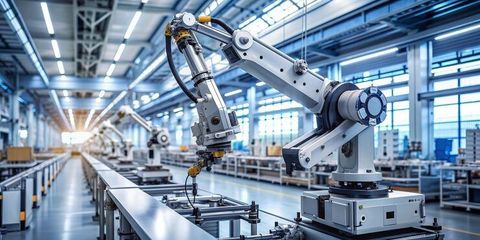
IIoT works by placing sensors on machines and equipment. These sensors measure things like temperature, vibration, pressure, and energy use. The data is sent to computers or cloud platforms where software analyzes it. When something looks unusual, the system can alert staff or trigger an automatic response.
This sounds technical, but the idea is simple. A motor that starts vibrating differently may be wearing out. A temperature reading that drifts upward may signal a cooling problem. IIoT makes these early warning signs visible before they cause a breakdown. The same data can also show patterns over time, helping managers understand which machines run efficiently and which need attention.
Better Maintenance and Less Downtime
One of the clearest benefits of IIoT is predictive maintenance. Traditional maintenance follows a schedule: replace a part every few months, whether it needs it or not. IIoT changes this by using real-time data to estimate when equipment is likely to fail. Maintenance can then happen just before a problem occurs, not after a machine has already stopped production.
This approach has limits. Predictive models are only as good as the data they receive, and some failures are difficult to predict. Still, many factories report that condition-based maintenance helps reduce unplanned downtime and extend the life of critical equipment. The benefit is not magic; it comes from watching equipment closely and acting on the signals.
Quality Control and Process Monitoring
IIoT also supports quality control. Sensors can monitor production conditions continuously, such as pressure in a molding process or speed on an assembly line. If a measurement moves outside the acceptable range, the system can flag the issue immediately. This allows operators to correct problems before defective products are made.
In some factories, connected cameras and sensors inspect products automatically. These systems can catch surface defects, dimensional errors, or assembly mistakes faster than manual inspection alone. Again, the technology assists people rather than replacing their judgment. Human workers still decide what to do when an alert appears.
The Data Challenge
More data does not automatically mean better decisions. IIoT systems generate large amounts of information, and factories must manage it carefully. Data from different machines and vendors often uses different formats, which makes integration difficult. Without common standards, manufacturers can end up with isolated systems that do not talk to each other.
There is also the question of what to do with the data. Collecting sensor readings is easy; turning them into useful insights requires analytics tools and trained staff. Factories that succeed with IIoT usually start with a specific problem, such as reducing downtime on one production line, rather than trying to connect everything at once.
Security and Workforce Considerations
Connecting industrial equipment to networks introduces security risks. Older machines were not designed with internet connectivity in mind, and poorly protected systems can become targets for cyberattacks. Manufacturers must secure devices, control who can access data, and monitor networks for unusual activity. Security is not optional when production equipment is online.
The workforce also matters. IIoT changes how people interact with machines. Operators may need training to read dashboards, respond to alerts, and understand what the data means. Maintenance teams may need new skills to work with digital tools alongside traditional mechanical knowledge. Successful IIoT adoption usually includes training and support, not just technology installation.
What the Future Looks Like
The direction of travel is clear. More machines will come with built-in connectivity. More factories will use data to guide maintenance and quality decisions. Standards for data exchange will improve, making it easier to connect equipment from different vendors. At the same time, the basic purpose of IIoT will remain practical: helping manufacturers see what is happening, respond faster, and waste less.
Factories that adopt IIoT thoughtfully, with clear goals and attention to security and training, are likely to see gradual improvements in efficiency and reliability. Those that treat it as a quick fix or a buzzword may be disappointed. The technology is powerful, but it works best when it solves a real problem rather than being added for its own sake.
Frequently Asked Questions
What is the difference between IoT and IIoT?
IoT generally refers to consumer devices like smart thermostats or fitness trackers. IIoT specifically applies to industrial settings, where reliability, safety, and integration with production systems are critical requirements.
Does IIoT replace workers?
No. IIoT provides data and alerts that help workers make better decisions. It can automate some monitoring tasks, but human judgment remains essential for maintenance, quality, and problem-solving.
Is IIoT only for large factories?
IIoT can benefit manufacturers of many sizes. Smaller factories often start with a focused application, such as monitoring a few critical machines, rather than attempting a full factory-wide deployment at once.
What is the biggest challenge in adopting IIoT?
Integration and security are common challenges. Connecting older equipment, ensuring data from different systems can be combined, and protecting networked devices all require planning and investment.
Conclusion
The Industrial Internet of Things is changing manufacturing by making factory operations more visible and data-driven. It supports predictive maintenance, continuous quality monitoring, and better use of equipment. The changes are real but gradual, and they depend on careful planning, security, and workforce training. For general readers, the key takeaway is that IIoT is a practical set of tools for improving how factories run, not a magical solution. It works best when applied to specific problems with clear goals in mind.

Related Post...
Air Systems Information Guide to Airflow, Pressure Control, and System Design
Updated: October 26, 2026
Read More
ITSM Workflow Automation Basics for Understanding Digital IT Service Processes
Updated: October 23, 2026
Read More