Explore Hospital Equipment: Types, Functions and Key Details
Hospital equipment includes the machines, instruments, monitoring systems, and other technologies used to support patient diagnosis, treatment, monitoring, surgery, rehabilitation, and emergency care.
From patient monitors and ultrasound systems to ventilators and laboratory analyzers, different types of hospital equipment perform specific clinical functions.
Understanding hospital equipment is useful for patients, caregivers, healthcare workers, hospital administrators, students, and anyone interested in modern healthcare technology. Proper selection, operation, maintenance, calibration, and staff training are important for safe and reliable use.
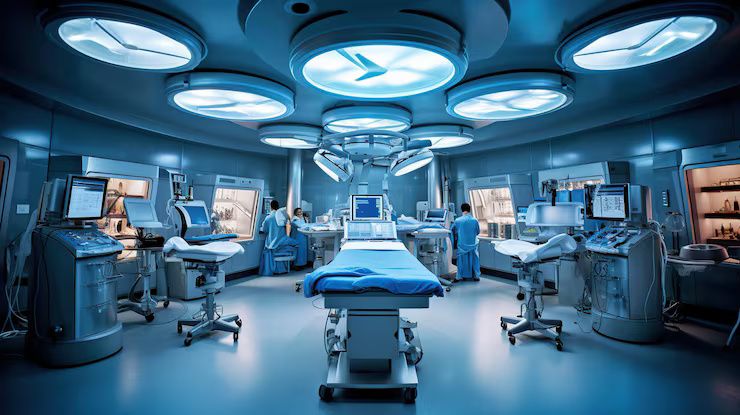
Context – Understanding Hospital Equipment
Hospital equipment refers to medical equipment used in healthcare facilities for specific clinical purposes. The World Health Organization (WHO) describes medical equipment as medical devices that require activities such as calibration, maintenance, repair, user training, and decommissioning.
These technologies are used across departments such as emergency care, intensive care, radiology, laboratories, operating rooms, maternity units, cardiology, and rehabilitation. Equipment can range from relatively simple diagnostic instruments to complex computerized systems.
Common categories include:
| Equipment Category | Examples | Main Function |
|---|---|---|
| Diagnostic equipment | Ultrasound, ECG, X-ray | Detect and assess medical conditions |
| Monitoring equipment | Patient monitor, pulse oximeter | Track vital signs |
| Respiratory equipment | Ventilator, oxygen concentrator | Support breathing and oxygen delivery |
| Laboratory equipment | Analyzer, centrifuge, microscope | Examine samples and support diagnosis |
| Surgical equipment | Operating tables, electrosurgical units | Support surgical procedures |
| Imaging equipment | CT, MRI, mammography systems | Produce internal body images |
| Rehabilitation equipment | Therapy devices, mobility equipment | Support recovery and physical function |
The exact classification varies by country and regulatory system. WHO notes that medical devices cover thousands of generic device groups and include equipment, imaging systems, software, in-vitro diagnostics, and other technologies.
Importance – Why Hospital Equipment Matters
Hospital equipment supports many stages of healthcare. Diagnostic systems can help clinicians identify health conditions, while monitoring equipment provides information about a patient's physiological status during treatment.
Reliable equipment is particularly important in emergency departments and intensive care units, where changes in vital signs may require rapid clinical attention. Imaging and laboratory systems also contribute to evidence-based diagnosis.
Hospital administrators and biomedical engineering teams must consider factors such as:
- Intended clinical use
- Patient safety
- Accuracy and performance
- Staff training requirements
- Calibration requirements
- Maintenance schedules
- Electrical and environmental requirements
- Availability of technical documentation
Patients and caregivers may also encounter equipment directly, particularly during diagnostic tests, respiratory support, monitoring, or rehabilitation.
Proper equipment management can reduce operational interruptions and help healthcare facilities maintain consistent clinical workflows. WHO identifies health technology management, medical-device selection, training, regulation, and maintenance as important parts of effective medical-device management.
Recent Updates – Trends and Developments
Hospital equipment is increasingly connected with digital systems. Modern devices may collect, process, display, and transmit clinical information, allowing healthcare teams to integrate equipment into broader hospital information environments.
Artificial intelligence is also becoming relevant to medical imaging, diagnostics, monitoring, and clinical decision-support technologies. However, the use of AI does not remove the need for clinical oversight, validation, appropriate training, and regulatory assessment.
Another important development is health technology assessment (HTA). WHO's 2025 second edition guidance describes HTA as a multidisciplinary approach for assessing the clinical, economic, ethical, and social effects of health technologies.
Sustainability is also receiving greater attention. WHO's updated medical-device policy guidance addresses sustainability, digital health, health technology assessment, technology management, and emergency preparedness.
Current developments include:
- Connected patient-monitoring systems
- Digitally integrated diagnostic equipment
- AI-supported medical technologies
- Improved imaging capabilities
- Remote monitoring technologies
- Greater attention to equipment lifecycle management
- More structured medical-device nomenclature and classification
WHO also continues to develop resources for selecting and prioritizing appropriate medical devices for different healthcare settings.
Laws or Policies – Relevant Rules and Regulations
Hospital equipment is subject to different laws depending on the country, device classification, intended use, and regulatory authority.
In India, medical devices are regulated under the Drugs and Cosmetics Act, 1940, and the Medical Devices Rules, 2017. The Central Drugs Standard Control Organization (CDSCO) provides regulatory information covering medical devices and diagnostics.
The Medical Devices Rules establish regulatory requirements for areas such as device classification, manufacturing, importation, licensing, testing, and other controls. CDSCO's official regulatory records also include subsequent amendments and notifications related to the framework.
Healthcare facilities may additionally need to follow applicable requirements concerning electrical safety, radiation protection, biomedical waste management, infection prevention, laboratory practices, and occupational safety.
Because regulatory requirements can change, hospitals and professionals should consult the relevant national authority and current legislation rather than relying on older summaries.
Internationally, WHO supports countries in strengthening medical-device regulatory systems and developing policies that address safety, quality, appropriate selection, and effective use.
Tools and Resources – Useful Information Sources
Several established resources can help readers understand hospital equipment, medical-device classifications, and healthcare technology management.
- WHO Medical Devices provides background information, technical resources, and policy materials.
- WHO MeDevIS supports information about medical-device nomenclature and appropriate technology selection.
- CDSCO provides India's official medical-device regulatory information and Medical Devices Rules.
- WHO Health Technology Assessment resources explain how healthcare technologies can be evaluated using clinical, economic, ethical, and social considerations.
- Hospital equipment inventories and maintenance records can help organizations track equipment status, calibration dates, inspection schedules, and lifecycle information.
For technical work, equipment manuals, manufacturer documentation, calibration records, risk assessments, and applicable standards should be reviewed by qualified personnel.
FAQs – Hospital Equipment
What is hospital equipment?
Hospital equipment refers to medical equipment used for diagnosis, monitoring, treatment, surgery, laboratory work, emergency care, or rehabilitation. Examples include patient monitors, ventilators, imaging systems, and laboratory analyzers.
What are the main types of hospital equipment?
Major categories include diagnostic equipment, patient-monitoring equipment, respiratory equipment, laboratory equipment, surgical equipment, imaging systems, and rehabilitation equipment.
Why is calibration important for hospital equipment?
Calibration helps verify that an instrument performs within specified measurement requirements. This is particularly important for equipment that produces clinical measurements used in patient assessment.
Who manages hospital equipment?
Depending on the facility, equipment management may involve biomedical engineers, clinical engineers, technicians, nurses, doctors, laboratory professionals, infection-control teams, and hospital administrators.
Are hospital equipment regulations the same in every country?
No. Medical-device laws and regulatory requirements differ between countries. Facilities should follow the requirements established by their relevant national and regional authorities.
Conclusion
Hospital equipment plays an important role in modern healthcare, supporting diagnosis, monitoring, treatment, surgery, laboratory testing, emergency care, and rehabilitation. Understanding equipment categories and functions can help healthcare professionals and the public better understand how technology contributes to patient care.
Modern developments are increasingly focused on digital connectivity, AI-supported technologies, imaging, remote monitoring, lifecycle management, and sustainability. Safe use still depends on appropriate selection, regulatory compliance, maintenance, calibration, and qualified personnel.
For anyone researching hospital equipment, official regulatory authorities and established organizations such as WHO are useful starting points. Current technical documentation should always be checked because device requirements, classifications, and regulations can change over time.
Healthcare facilities can also benefit from structured equipment inventories and maintenance records. These resources help teams understand equipment status, plan inspections, document calibration, and support responsible technology management.

Related Post...

AI Automation Introduction: Learn the Basics of AI-Powered Business Workflows
Updated: September 21, 2026
Read More
Machine Learning Insights: Explore Modern Techniques, Models, Tools and Practical Uses
Updated: September 22, 2026
Read More