Chemical Dosing System Information: Working Process and Key Details
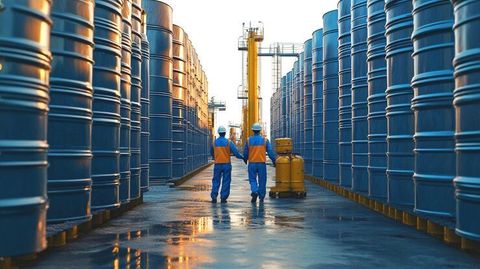
A chemical dosing system is an important part of many industrial, commercial, and municipal processes. It is designed to add controlled amounts of chemicals into water, liquids, or manufacturing systems to achieve a specific purpose.
Common applications include water treatment, wastewater management, food processing, chemical manufacturing, agriculture, and power generation.
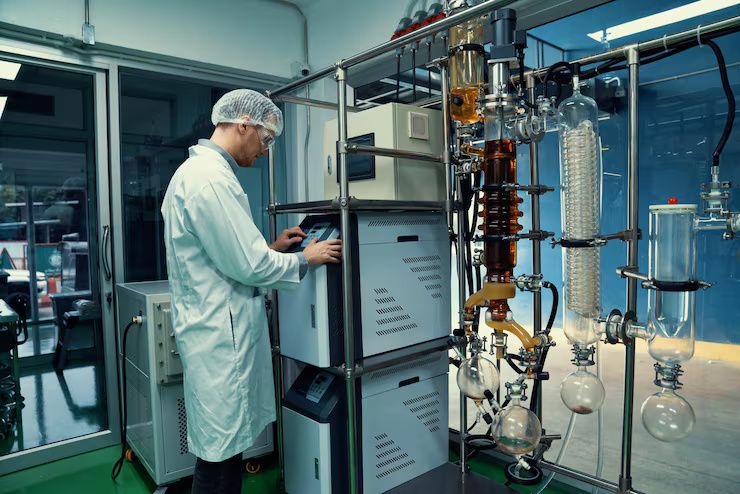
Understanding how a chemical dosing system works helps operators, engineers, and facility managers maintain consistent process performance while supporting safety and environmental compliance. This guide explains the working process, importance, recent developments, regulations, and useful resources in a simple and factual manner.
Context
A chemical dosing system is a combination of equipment that accurately injects measured quantities of chemicals into a process. Depending on the application, the chemicals may adjust pH levels, disinfect water, prevent corrosion, control scaling, improve product quality, or support industrial reactions.
The main purpose of a chemical dosing system is to ensure that chemicals are added at the correct concentration and at the right time. Accurate dosing helps maintain process stability and reduces unnecessary chemical usage.
A typical system may include:
- Chemical storage tank
- Dosing pump
- Flow meter
- Injection point
- Control panel
- Sensors and monitoring equipment
- Safety valves and piping
Working Process
The basic working process follows several steps:
- Chemicals are stored safely in a dedicated tank.
- Sensors or controllers determine the required dosage.
- The dosing pump measures and injects the chemical.
- The chemical mixes with the process liquid.
- Monitoring equipment checks system performance and adjusts dosing if required.
Common Applications
| Industry | Purpose of Chemical Dosing |
|---|---|
| Water Treatment | pH adjustment, disinfection, coagulation |
| Wastewater Plants | Nutrient control and neutralization |
| Food Processing | Cleaning and sanitation |
| Power Plants | Boiler and cooling water treatment |
| Agriculture | Fertigation and water conditioning |
| Manufacturing | Process control and chemical reactions |
Importance
Chemical dosing systems play an important role in maintaining efficient industrial operations. Accurate dosing helps improve consistency while reducing process variation.
Key benefits include:
- Better control of chemical concentration
- Improved equipment protection
- Reduced chemical wastage
- Stable production processes
- Support for environmental compliance
- Improved water quality in treatment facilities
Many sectors depend on reliable dosing equipment. Municipal water treatment facilities use dosing systems to help maintain drinking water quality. Industrial plants use them to control pH levels, reduce corrosion, and improve production efficiency. Agriculture uses dosing equipment in irrigation systems to distribute nutrients accurately.
Proper calibration and regular inspection also contribute to reliable performance. A well-maintained system is more likely to provide accurate dosing over an extended period.
Recent Updates
From 2024 to 2026, chemical dosing technology has continued to evolve with greater emphasis on automation, digital monitoring, and sustainability.
Several important developments include:
- Increased use of smart dosing pumps with digital controls
- Remote monitoring through Industrial Internet of Things (IIoT) platforms
- Integration with SCADA and PLC systems
- Improved sensor accuracy for real-time adjustments
- Energy-efficient pump designs
- Predictive maintenance using operational data
- Enhanced cybersecurity measures for connected industrial equipment
Many facilities are also adopting automated monitoring systems that continuously measure parameters such as pH, conductivity, oxidation-reduction potential (ORP), chlorine levels, and flow rates. These measurements help adjust dosing automatically, reducing manual intervention.
Environmental considerations are also influencing system design. Manufacturers continue to improve chemical handling, leak detection, and containment features to support safer operation and reduced environmental impact.
Laws or Policies
Chemical dosing systems often operate under regulations that depend on the industry and country. The exact requirements vary, but organizations typically follow recognized standards for safety, environmental protection, and water quality.
Some commonly referenced frameworks include:
- Occupational health and workplace safety regulations
- Environmental protection requirements for wastewater discharge
- Drinking water quality standards
- Industrial chemical handling guidelines
- Equipment installation and electrical safety standards
- Local environmental authority requirements
Facilities should maintain proper documentation for:
- Chemical storage procedures
- Equipment inspection records
- Calibration schedules
- Safety training
- Emergency response procedures
- Maintenance logs
Organizations are encouraged to consult national and regional regulatory agencies to understand the specific requirements applicable to their operations.
Tools and Resources
Several practical resources can help users understand and manage chemical dosing systems more effectively.
Useful resources include:
- Water quality calculation tools
- Flow rate calculators
- Pump sizing worksheets
- Chemical compatibility charts
- Maintenance checklists
- Equipment operation manuals
- Regulatory guidance documents
- SCADA monitoring platforms
- PLC programming documentation
Useful Monitoring Parameters
Operators commonly monitor:
- pH
- Flow rate
- Conductivity
- ORP
- Chlorine concentration
- Temperature
- Pressure
- Chemical tank level
Regular monitoring helps maintain process consistency while identifying potential issues before they affect operations.
FAQs
What is a chemical dosing system?
A chemical dosing system is equipment that accurately injects measured amounts of chemicals into water or industrial processes to achieve a specific treatment or operational objective.
How does a chemical dosing system work?
The system stores chemicals in a tank, measures the required quantity using a dosing pump, injects the chemical into the process, and monitors the results through sensors or controllers.
Where are chemical dosing systems commonly used?
They are widely used in water treatment plants, wastewater facilities, manufacturing, food processing, agriculture, power generation, and various industrial applications.
Why is accurate chemical dosing important?
Accurate dosing helps maintain consistent process performance, protects equipment, supports environmental compliance, and improves operational efficiency by preventing underdosing or overdosing.
What maintenance does a chemical dosing system require?
Routine maintenance typically includes inspecting pumps, checking sensors, calibrating instruments, examining pipelines, verifying control settings, and reviewing safety equipment according to the manufacturer's recommendations.
Conclusion
Chemical dosing systems are essential components in many industries where precise chemical control is necessary. Their ability to deliver accurate chemical quantities supports process stability, equipment protection, and consistent operational performance.
As automation, digital monitoring, and smart sensors continue to advance, modern chemical dosing systems are becoming more efficient and easier to monitor. Understanding their working process, applicable regulations, and maintenance practices helps organizations operate these systems safely and effectively.
Regular inspections, proper calibration, and adherence to applicable regulations contribute to reliable long-term operation. Staying informed about technological developments can also help facilities improve efficiency while supporting environmental and workplace safety objectives.

Related Post...
Learn Industrial Manufacturing: Guide to Processes and Technology
Updated: August 12, 2026
Read More
Explore the Basics of AI Business Automation for Modern Businesses
Updated: September 04, 2026
Read More