Hot Isostatic Pressing Overview: Discover Key Process Factors You Shouldn’t Ignore
Hot isostatic pressing, commonly called HIP, is a manufacturing process that combines high temperature and uniform gas pressure to improve the internal structure of materials.
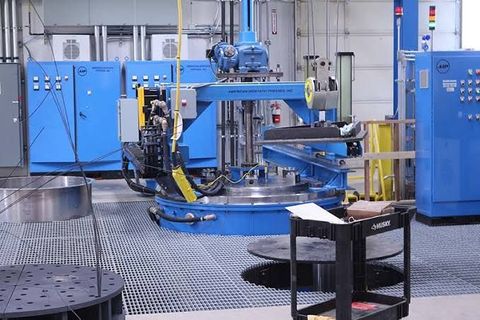
A hot isostatic pressing machine places components, powders, or additively manufactured parts inside a controlled chamber, where pressure is applied from multiple directions. Modern hot isostatic pressing equipment is used in aerospace, medical, energy, tooling, powder metallurgy, and additive manufacturing because it can reduce internal pores and improve material density.
Context
What Is Hot Isostatic Pressing?
Hot isostatic pressing uses elevated temperature and high-pressure gas, commonly an inert gas such as argon, to compact and densify materials. Unlike conventional pressing, pressure is applied uniformly around the component rather than primarily from one or two directions.
A typical HIP furnace system contains a pressure vessel, heating elements, gas circulation equipment, temperature measurement devices, pressure controls, and safety systems. Together, these components create a controlled environment where material properties can be modified without applying mechanical force directly through a pressing tool.
How the HIP Process Works
The basic process starts by placing a component or material inside the HIP chamber. The chamber is then sealed, heated, and pressurized according to a defined processing cycle.
During the cycle, elevated temperature allows the material to deform locally around internal pores. Gas pressure helps close these voids, while diffusion and material movement gradually reduce internal discontinuities.
A simplified HIP sequence includes:
- Component preparation: The material is cleaned, inspected, and prepared for processing.
- Loading: Parts or powder-filled containers are positioned inside the chamber.
- Heating: The HIP furnace equipment raises the material to the required temperature.
- Pressurization: High-pressure inert gas applies uniform pressure.
- Holding: Temperature and pressure remain controlled for a defined period.
- Cooling: The material is cooled under controlled conditions.
- Depressurization: Chamber pressure is reduced according to the processing cycle.
- Inspection: The processed component can undergo dimensional, mechanical, or nondestructive examination.
Main Types of HIP Equipment
Different applications require different configurations of HIP processing equipment. A small research installation may have different chamber dimensions and automation requirements than an industrial HIP system used for large components.
| Equipment type | Primary purpose | Typical application |
|---|---|---|
| HIP furnace system | Heat and pressurize materials | General densification |
| High temperature HIP furnace | Process materials at elevated temperatures | Superalloys and advanced materials |
| High pressure HIP system | Apply controlled gas pressure | Dense metal components |
| Automated HIP system | Control processing cycles | Repeatable industrial production |
| HIP additive manufacturing equipment | Post-process printed components | Metal additive manufacturing |
| Powder metallurgy HIP system | Consolidate metal powders | Near-net-shape components |
Importance
Why HIP Processing Matters
Internal pores, voids, and other material discontinuities can affect the performance of manufactured components. Hot isostatic pressing provides a controlled method for reducing these internal imperfections and improving material uniformity.
This is particularly relevant for components that experience repeated mechanical loads, elevated temperatures, pressure, or demanding operating environments. The process can also be used to consolidate metal powders and improve the internal structure of components produced through additive manufacturing.
Industries Using HIP Processing
HIP technology has applications across several manufacturing fields.
- Aerospace components can undergo HIP processing to reduce internal porosity and improve structural consistency.
- Medical implants can use HIP equipment for selected metal materials and manufacturing routes.
- Energy components may use HIP processing for parts exposed to pressure or elevated temperatures.
- Tooling applications can use HIP densification equipment to modify the internal structure of specialized materials.
- Additive manufacturing can use HIP post processing equipment to address internal pores created during metal printing.
- Powder metallurgy can use HIP systems to consolidate powder into dense material forms.
Metal HIP processing is particularly relevant to titanium, nickel alloys, superalloys, and stainless steel, although processing conditions differ substantially between materials.
Factors That Influence HIP Results
HIP processing is not determined by pressure alone. Several process factors interact with one another.
Important factors include:
- Temperature
- Gas pressure
- Holding time
- Heating and cooling rates
- Material composition
- Initial density
- Component geometry
- Surface condition
- Atmosphere purity
- Chamber configuration
- Loading arrangement
For example, HIP processing for titanium requires different conditions from HIP processing for superalloys. The processing cycle must therefore account for the material's physical and metallurgical characteristics.
Why Process Control Is Important
A high pressure high temperature HIP cycle involves significant thermal and mechanical energy. Small variations in temperature, pressure, heating rate, or holding time can influence the resulting material structure.
Modern HIP automation systems can record process variables throughout a cycle. This creates a processing history that can be reviewed alongside inspection results and material specifications.
Recent Updates
Growth of Additive Manufacturing HIP
Between 2024 and 2026, HIP continued to gain attention as a post-processing stage for metal additive manufacturing. As manufacturers have produced more complex metal components through powder-bed and other additive methods, controlling internal porosity has remained an important consideration.
HIP additive manufacturing equipment is increasingly considered alongside printing equipment, heat treatment, machining, and inspection within broader manufacturing workflows. The objective is to integrate material consolidation into the overall production sequence.
Greater Process Monitoring
Another general trend is greater use of sensors, automated controls, and digital records. An advanced HIP processing system can monitor variables such as temperature, pressure, gas conditions, and cycle progression.
Industrial HIP systems are also being designed around repeatable recipes and automated operating sequences. These developments can help operators maintain consistent process conditions while reducing dependence on manual adjustments.
Expansion of Material Applications
HIP processing for titanium, nickel alloys, stainless steel, and superalloys continues to support demanding engineering applications. Research and industrial development also continue around materials associated with additive manufacturing and powder metallurgy.
HIP furnace engineering has consequently become more focused on temperature uniformity, gas circulation, chamber design, cooling control, automation, and energy management.
Integration With Manufacturing Workflows
A custom hot isostatic pressing system may be configured around component dimensions, material requirements, production volumes, and existing manufacturing equipment. Turnkey HIP system configurations can combine pressure vessels, furnaces, controls, gas systems, cooling arrangements, and monitoring functions into a coordinated installation.
Laws or Policies
Pressure and Workplace Safety
HIP equipment operates with high pressure and elevated temperatures, so regulatory requirements generally focus on pressure-vessel integrity, mechanical safety, electrical systems, thermal hazards, and workplace operation.
Requirements vary by country and jurisdiction. Organizations operating a HIP processing system typically need to consider applicable pressure-equipment regulations, workplace safety requirements, inspection procedures, and equipment documentation.
Equipment Compliance
A HIP furnace manufacturer or HIP equipment manufacturer may need to account for engineering standards governing pressure vessels, electrical equipment, controls, and safety systems. Depending on the installation, additional requirements may apply to gas storage, compressed-gas systems, lifting equipment, fire protection, and environmental controls.
For facilities in India, applicable central and state workplace, factory, pressure-equipment, electrical, and environmental requirements should be reviewed according to the specific installation. The exact obligations can depend on chamber pressure, gas systems, facility design, and operating conditions.
Documentation and Inspection
Proper documentation is an important part of regulated industrial equipment operation. Records may include equipment specifications, pressure-vessel documentation, inspection records, maintenance information, calibration records, operating procedures, and processing data.
The applicable authority or standard can differ according to the equipment and location, so organizations should verify requirements with the relevant regulatory bodies before commissioning an industrial HIP system.
Tools and Resources
Process Calculation Tools
Engineers commonly use temperature-pressure calculations, material-property references, cycle planning tools, and process simulation software when developing HIP cycles. These tools help evaluate how different process variables may influence densification and material behavior.
Material Databases
Material databases can provide information about alloy composition, density, melting ranges, thermal characteristics, and mechanical properties. Such information can help establish an initial understanding of whether a material is suitable for HIP processing.
Inspection Technologies
Inspection methods can be used before and after HIP treatment. Depending on the component, these may include:
- Computed tomography
- Ultrasonic inspection
- Dimensional measurement
- Metallographic examination
- Density measurement
- Mechanical testing
- Surface inspection
For additive manufacturing, CT inspection can be particularly useful for examining internal pores before and after HIP post processing.
Equipment Documentation
Technical documentation from a HIP equipment supplier or system integrator can provide information about chamber dimensions, operating ranges, heating systems, cooling arrangements, automation architecture, gas systems, and safety controls.
A clear equipment specification is useful when comparing a standard HIP machine configuration with a custom HIP equipment arrangement.
FAQs
What is hot isostatic pressing used for?
Hot isostatic pressing is used to reduce internal porosity, increase material density, consolidate powders, and modify the internal structure of selected metal components. It is used in aerospace, medical, energy, tooling, powder metallurgy, and additive manufacturing.
How does a hot isostatic pressing machine work?
A hot isostatic pressing machine heats a component inside a sealed pressure vessel while applying high-pressure inert gas uniformly around it. Controlled temperature, pressure, and holding time promote densification and reduce internal voids.
What is HIP additive manufacturing?
HIP additive manufacturing refers to using hot isostatic pressing as a post-processing stage for additively manufactured components. The process can reduce internal pores and improve the consistency of selected printed metal parts.
What materials can be processed using HIP equipment?
HIP equipment can process various metals and alloys when appropriate processing conditions are established. Common examples include titanium alloys, nickel alloys, superalloys, stainless steel, and materials used in powder metallurgy and additive manufacturing.
What factors affect a HIP processing system?
Temperature, pressure, holding time, heating and cooling rates, material composition, component geometry, gas atmosphere, and loading arrangement can all influence HIP processing results. Equipment configuration and process monitoring also affect cycle control.
Conclusion
Hot isostatic pressing combines high temperature and uniform gas pressure to modify the internal structure of suitable materials. HIP equipment is used across powder metallurgy, aerospace, medical, energy, and additive manufacturing applications, with process conditions varying according to material and component requirements. Recent developments have emphasized automation, process monitoring, additive manufacturing integration, and improved control of complex HIP cycles. Safe operation also depends on appropriate equipment engineering, inspection, documentation, and compliance with applicable regulations.

Related Post...
Automated Optical Inspection Insights: Discover Trends You Should Know Now
Updated: September 28, 2026
Read More
Pressure Calibration Systems: Learn Why Calibration Accuracy Matters Right Now
Updated: September 28, 2026
Read More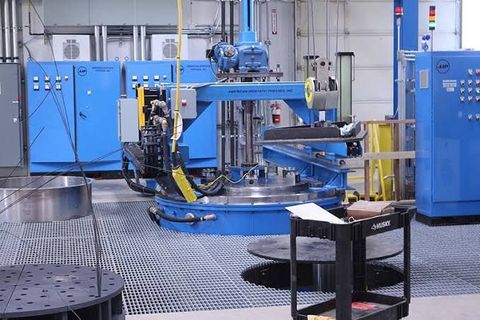
Cold Isostatic Pressing Insights: Avoid Common Process Mistakes Before It’s Too Late
Updated: September 28, 2026
Read More