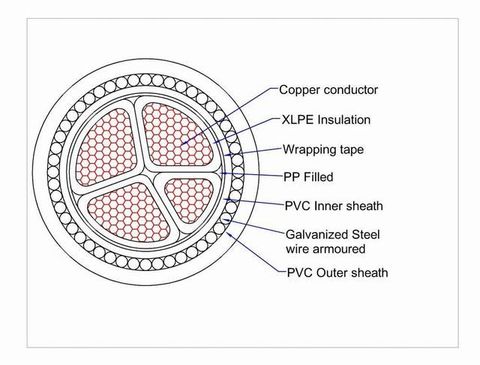
Different industries rely on these machines for producing yarn, electrical cables, communication wires, and industrial ropes. Over the years, twisting machines have evolved with better control systems, higher speed capability, and more precise tension and twist settings.
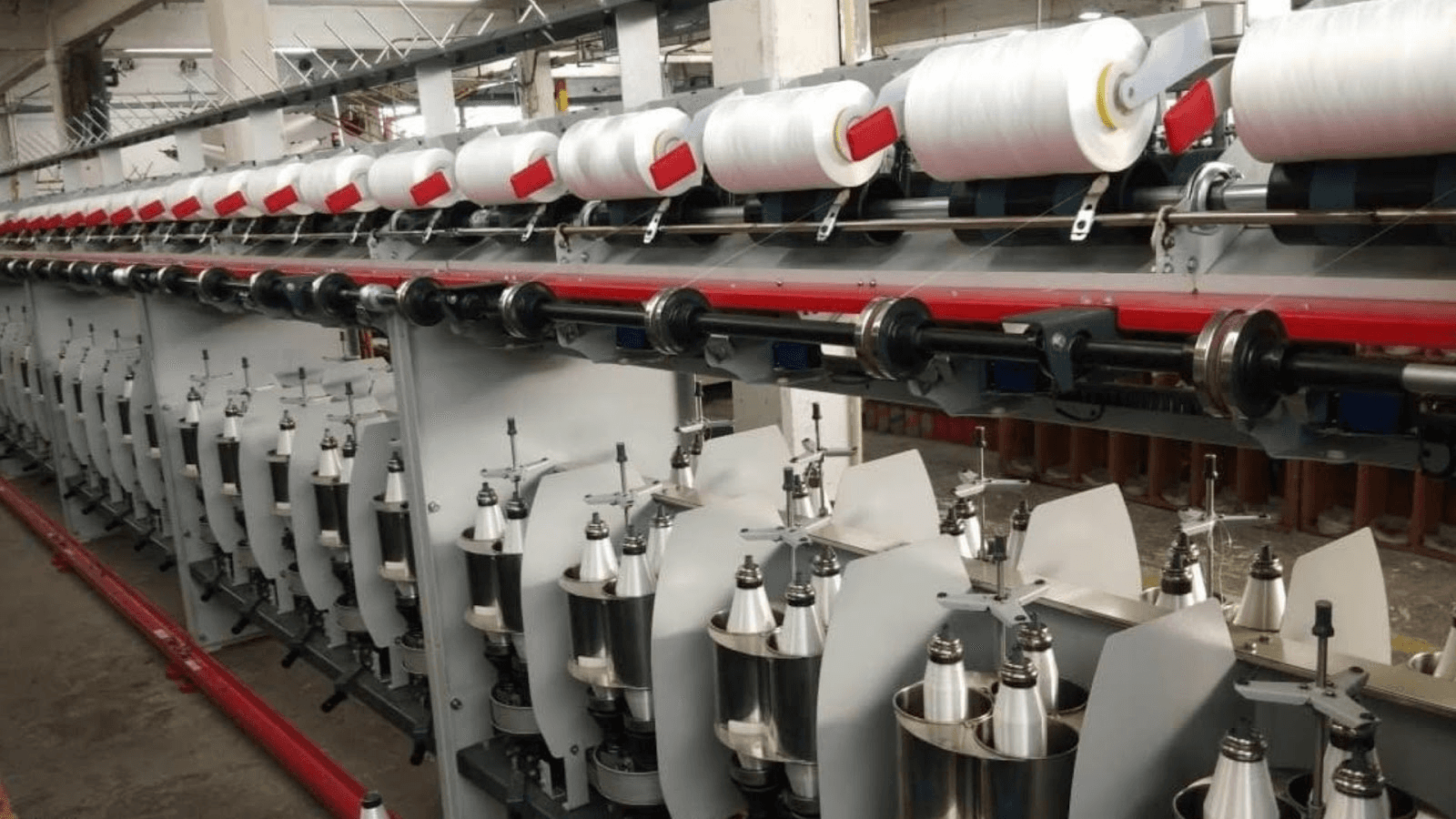
Despite technological improvements, proper operation and maintenance remain critical to ensure long life, consistent output quality, and safe working conditions.
Importance – Why Efficient Maintenance and Operation Matter Today
Twisting machines play a major role in manufacturing sectors where product consistency and reliability are important. Efficient operation and maintenance matter for several reasons:
Supports Product Quality
Uniform twisting ensures that yarns, cables, and wires maintain strength and shape. Poor maintenance can lead to uneven twist, breakage, or inconsistencies.
Reduces Downtime
Well-maintained machines run longer without interruption. This lowers operational delays and avoids costly production stoppages.
Extends Machine Life
Twisting machines involve moving parts such as spindles, bearings, rollers, and gears. Regular lubrication and inspection prevent premature wear.
Improves Safety
A machine running smoothly and correctly reduces risks of mechanical failure or accidents caused by loose parts, overheating, or improper handling.
Who Benefits the Most
-
Textile industries
-
Rope and cable manufacturers
-
Electronic wire production units
-
Small workshops involved in twisting specialty materials
-
Maintenance and operations teams
By understanding how the machine works and following best practices, operators ensure stable production and minimize errors.
Recent Updates – Trends and Advancements (2024–2025)
Recent years have introduced several improvements to twisting technology and maintenance methods:
Rise of Digital Monitoring Systems (2024)
More manufacturers now integrate sensors and digital dashboards that track twist count, tension, temperature, and spindle speed in real time. This helps operators detect issues early.
Energy-Efficient Motor Designs
New twisting machines include variable frequency drives (VFDs) and optimized motors that reduce power consumption without compromising performance.
Predictive Maintenance Tools (2024–2025)
Software linked with machine sensors can forecast when components such as bearings or belts will need replacement.
Enhanced Safety Features
Automatic shutdown features now respond to overheating, excessive vibration, or emergency stops.
Eco-Friendly Lubricants and Materials
Industries are shifting toward low-impact lubricants and maintenance products to meet current environmental standards.
These advancements support better performance and reduce operational risks.
Laws or Policies – Regulations Affecting Twisting Machines
Regulations vary by country, but several common policies influence how twisting machines should be used and maintained:
Workplace Safety Standards
Many countries follow industrial safety guidelines such as:
-
Machine guarding requirements
-
Emergency stop mechanisms
-
Operator training rules
-
Ventilation and noise control standards
Authorities such as OSHA (United States), BIS/Factories Act (India), and CE compliance (European Union) provide machine safety requirements.
Electrical and Mechanical Compliance
Machines must comply with standards for wiring, grounding, and mechanical load capacity.
Maintenance Log Requirements
Some regions require industries to maintain regular inspection records and safety audits.
Environmental Regulations
Lubricants, coolants, and cleaning chemicals must meet environmental disposal and usage norms.
Import and Manufacturing Policies
Countries may have certification requirements for imported twisting machines or components.
Understanding these regulations ensures safe and legal machine operation.
Tools and Resources – Helpful Solutions for Efficient Maintenance
Operators and maintenance teams can improve performance using various tools and resources:
Maintenance and Monitoring Tools
-
Vibration analyzers
-
Thermal imaging devices
-
Lubrication kits
-
Spindle alignment tools
-
Belt tension measurement devices
Operational Software
-
Machine dashboards for twist count and tension monitoring
-
Predictive maintenance applications
-
Digital shift logs for recording performance
Guidelines and Manuals
-
Manufacturer maintenance manuals
-
Safety checklists
-
Standard operation procedure (SOP) templates
Training Resources
-
Online tutorials on threading and twist adjustment
-
Operator certification programs
-
Safety awareness modules
Support Services
-
Technical assistance from machine suppliers
-
Periodic maintenance contracts
-
Calibration and testing services
Using these resources helps maintain consistent machine performance.
Practical Tips for Maintaining and Operating Twisting Machines
Below is a simple, clear guide to operating and maintaining twisting machines efficiently:
Daily Practices
-
Check for dust, fiber buildup, or oil leakage.
-
Ensure proper lubrication of moving parts.
-
Confirm twist count settings before starting production.
-
Inspect belts, pulleys, and spindles for unusual noise.
Weekly Inspections
-
Check alignment of rollers and guides.
-
Test emergency stop and safety switches.
-
Clean tension control devices.
Monthly Maintenance
-
Inspect belts for wear or cracks.
-
Tighten any loose bolts or fittings.
-
Check motor temperature and airflow.
-
Examine bearings and replace if noisy.
Operational Tips
-
Avoid running machines beyond recommended speed.
-
Maintain constant tension for uniform twist.
-
Train operators to identify irregular vibrations or sounds.
-
Use approved lubricants suitable for the machine type.
Twist Inconsistency Troubleshooting Table
| Issue | Possible Cause | Suggested Solution |
|---|---|---|
| Uneven twist | Low tension or worn rollers | Adjust tension; replace rollers |
| Frequent breakage | Dirty guides or incorrect speed | Clean machine; reduce speed |
| Machine overheating | Poor lubrication | Re-lubricate moving parts |
| Excessive noise | Faulty bearings | Inspect and replace bearings |
FAQs
How often should twisting machines be lubricated?
Most machines require lubrication daily or as recommended by the manufacturer. Critical components like bearings and spindles need regular attention.
What causes uneven twisting?
Uneven tension, worn rollers, dirty guides, or incorrect settings can lead to inconsistent results.
Can twisting machines run at maximum speed continuously?
It is not advisable. Continuous high-speed operation may cause overheating or excessive wear. Balanced speed settings improve longevity.
Why is vibration monitoring important?
Unusual vibrations can indicate misalignment, faulty bearings, or structural issues. Early detection prevents damage.
Do operators need special training?
Basic training in machine settings, safety protocols, and troubleshooting ensures safe and efficient use.
Final Thoughts
Efficient operation and maintenance of twisting machines allow manufacturers to achieve consistent output, reduce downtime, and ensure workplace safety. By following structured routines, using modern monitoring tools, and keeping up with industry regulations, teams can maintain high-quality production standards.
Adopting updated practices and digital tools also supports better decision-making and long-term cost savings. With the right approach, twisting machines remain reliable, productive, and effective in any industrial environment.