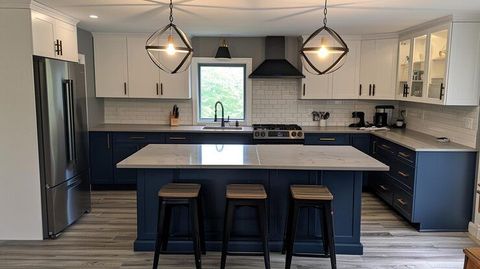
The global interior design industry continues to grow as people increasingly focus on comfort, efficiency, sustainability, and personalized environments. As design expectations evolve, finding a firm that aligns with your goals, preferences, and project requirements becomes increasingly important.
This guide explores the key factors to consider when selecting an interior design firm based on experience, design style, and workflow.
Why Choosing The Right Interior Design Firm Matters
An interior design firm contributes much more than aesthetics. Professional designers help improve space utilization, functionality, lighting, material selection, and long-term usability.
Research from industry reports indicates that well-designed environments can improve workplace productivity, customer engagement, and occupant satisfaction. In residential settings, thoughtful design often enhances comfort and everyday living experiences.
A qualified firm can also help coordinate project planning, design documentation, vendor communication, and construction oversight, ensuring a more organized and efficient process.
Understanding Different Types Of Interior Design Firms
Not every design firm specializes in the same type of projects. Before starting your search, identify the category that best matches your needs.
Residential Interior Design
These firms focus on homes, apartments, villas, and luxury residences. Their expertise often includes space planning, furniture layouts, kitchen design, bedroom concepts, and lifestyle-focused solutions.
Commercial Interior Design
Commercial designers work on offices, retail stores, restaurants, hotels, healthcare facilities, and educational spaces. They typically prioritize functionality, brand identity, user experience, and operational efficiency.
Specialized Design Firms
Some firms focus on niche sectors such as hospitality, healthcare, sustainable architecture, workspace optimization, or luxury interiors. Specialized experience can be valuable when projects require industry-specific knowledge.
Evaluate Experience And Industry Expertise
Experience is often one of the strongest indicators of a firm's ability to handle complex projects.
Review how long the firm has operated and examine its portfolio carefully. Look for completed projects that resemble your goals in terms of scale, style, and functionality.
Questions To Consider
- Have they worked on projects similar to yours?
- Do they understand your industry requirements?
- Can they demonstrate problem-solving capabilities?
- Are their previous projects diverse and well-executed?
An experienced firm often has established design processes, strong vendor relationships, and a deeper understanding of construction coordination.
Assess Their Design Style
Every interior design firm develops a unique design identity. Some focus on minimalist aesthetics, while others specialize in contemporary, industrial, luxury, traditional, or sustainable design concepts.
Review portfolios carefully rather than relying solely on marketing materials.
Signs Of A Strong Design Portfolio
- Consistent design quality
- Attention to detail
- Functional layouts
- Creative use of materials
- Effective lighting strategies
- Adaptability across project types
The ideal firm should align with your personal preferences while also demonstrating flexibility and creativity.
Understand The Design Workflow
A firm's workflow can significantly impact project efficiency and communication.
Well-structured workflows often reduce misunderstandings and improve project coordination.
Typical Interior Design Workflow
Initial Consultation
The firm gathers information about objectives, preferences, space requirements, and project expectations.
Concept Development
Designers create mood boards, layouts, visual concepts, and preliminary recommendations.
Design Documentation
Detailed drawings, specifications, and planning documents are prepared for implementation.
Project Coordination
Design teams collaborate with contractors, suppliers, architects, and stakeholders.
Final Review
The completed project undergoes inspection and refinement before handover.
Understanding each phase helps establish realistic expectations and ensures smoother collaboration.
Evaluate Communication And Collaboration
Successful interior design projects depend heavily on communication.
Pay attention to how the firm responds during initial discussions. Professional firms typically communicate clearly, explain processes thoroughly, and provide realistic timelines.
Key Communication Indicators
- Responsiveness
- Transparency
- Willingness to answer questions
- Structured project updates
- Clear documentation practices
Strong communication often leads to fewer delays and more successful project outcomes.
Look For Technical Capabilities
Modern interior design increasingly relies on advanced technology and digital planning tools.
Many leading firms now use:
- 3D visualization software
- Building Information Modeling (BIM)
- Virtual walkthroughs
- Space planning technology
- Lighting simulation tools
These technologies help clients better understand design concepts before implementation begins.
Consider Sustainability And Future Trends
Sustainable interior design has become a major global trend.
Many organizations and homeowners now prioritize environmentally responsible design solutions that support energy efficiency and healthier indoor environments.
Sustainable Design Features
- Energy-efficient lighting
- Eco-friendly materials
- Indoor air quality improvements
- Smart building integration
- Space optimization strategies
Industry forecasts suggest that sustainable and technology-integrated interiors will continue growing in popularity over the coming years.
Review Client Feedback And Project Results
Past client experiences can provide valuable insights into a firm's professionalism and reliability.
Look for feedback that discusses:
- Project management
- Design quality
- Communication effectiveness
- Problem-solving abilities
- Timeliness
Consistent positive feedback often reflects strong operational practices and client satisfaction.
Compare Long-Term Value Rather Than Short-Term Decisions
Selecting an interior design firm should focus on overall project value rather than a single factor.
The most suitable firm typically combines:
- Relevant experience
- Compatible design style
- Organized workflow
- Effective communication
- Technical expertise
- Sustainable design knowledge
Balancing these factors helps create a productive partnership and improves the likelihood of achieving successful project outcomes.
Final Thoughts
Choosing the right interior design firm requires careful research and thoughtful evaluation. Experience, design style, workflow structure, communication practices, and technical capabilities all contribute to project success.
As modern interior design continues evolving through technology, sustainability, and user-centered planning, working with a qualified and experienced design team becomes increasingly important. By taking time to assess portfolios, workflows, and expertise, you can make a confident decision that supports both functional goals and long-term design satisfaction.