Geothermal Heat Pump Systems Discover Long-Term Energy Performance Benefits
Geothermal heat pump systems have become an increasingly recognized solution for maintaining comfortable indoor environments while making efficient use of naturally stable ground temperatures. Rather than generating heat directly, these systems transfer thermal energy between a building and the earth, supporting both heating and cooling throughout the year.
Growing interest in energy-efficient buildings has encouraged homeowners, commercial property managers, and facility planners to consider geothermal technology as part of long-term building strategies. Advances in system design, installation practices, and equipment reliability have made geothermal heat pumps suitable for a wide range of residential and commercial applications.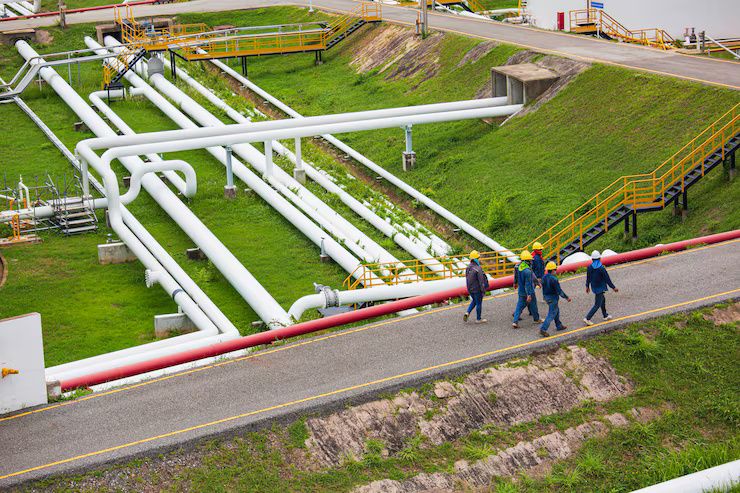
Understanding how geothermal heat pump systems operate helps explain why they continue to attract attention in modern construction and renovation projects. From underground heat exchange to indoor climate control, each part of the system contributes to dependable performance across changing seasonal conditions.
Stable Ground Temperatures Create Efficient Heat Exchange
Unlike outdoor air, which experiences significant seasonal temperature changes, the ground maintains a relatively consistent temperature below the surface. Geothermal heat pump systems use this natural stability as the foundation of their operation.
During colder months, the system transfers stored ground heat into the building. When outdoor temperatures rise, the process reverses, allowing excess indoor heat to move back into the ground. Because the system transfers heat instead of creating it through combustion, energy use can be significantly reduced compared with many conventional heating methods.
This continuous exchange allows buildings to maintain comfortable indoor temperatures while operating efficiently across different weather conditions.
The Main Components Working Together
A geothermal heat pump system consists of several integrated components that perform specific functions within the overall heating and cooling process.
The ground loop serves as the primary heat exchange network. Pipes installed underground circulate a heat-transfer fluid that absorbs or releases thermal energy depending on the operating season.
Inside the building, the heat pump unit transfers that energy to the indoor distribution system. Additional components such as circulation pumps, expansion devices, controls, and thermostats coordinate system performance to maintain consistent indoor comfort.
Proper integration between these components allows the entire system to operate efficiently throughout the year.
Ground Loop Configurations Depend on Site Conditions
Every installation is influenced by available land, geological characteristics, and project requirements. For this reason, geothermal systems use different ground loop configurations rather than relying on a single installation method.
Horizontal loops are typically installed where sufficient land is available, with piping placed in shallow trenches. Vertical loops are commonly selected for sites with limited surface area, using deeper boreholes to access stable underground temperatures.
Some locations may also support pond or lake loop systems when an appropriate water body is available nearby. The choice depends on site evaluation, environmental considerations, and engineering design rather than a universal installation approach.
Heating and Cooling Through One Integrated System
One of the defining characteristics of geothermal heat pump systems is their ability to provide both heating and cooling using the same equipment.
During winter operation, thermal energy collected from the ground is transferred indoors to warm occupied spaces. In summer, the system removes indoor heat and transfers it underground, helping maintain comfortable interior temperatures.
Many systems can also contribute to domestic hot water production by recovering excess heat generated during cooling operation. This integrated approach allows multiple building comfort functions to work together within a single mechanical system.
Factors That Influence Long-Term Energy Performance
The long-term performance of a geothermal heat pump system depends on several interconnected factors rather than the equipment alone.
Building insulation plays an important role because reduced heat loss allows the system to operate more efficiently. Proper sizing is equally important, ensuring the equipment matches the heating and cooling demands of the building without unnecessary cycling.
Ground conditions, pipe installation quality, indoor air distribution, and control system settings also influence overall performance. Careful engineering and professional installation help maximize efficiency throughout the operational life of the system.
Routine maintenance further supports consistent performance by keeping mechanical components operating within their intended specifications.
Modern Technology Improves System Management
Recent technological developments have enhanced the way geothermal heat pump systems operate and are monitored.
Digital controllers continuously adjust system operation based on indoor conditions, improving comfort while optimizing energy use. Variable-speed compressors and circulation pumps allow equipment to respond more precisely to changing heating and cooling demands instead of operating at a fixed output.
Some systems also integrate with building management platforms that monitor operating conditions, maintenance requirements, and system performance. These capabilities help facility managers make informed operational decisions while supporting reliable long-term operation.
Environmental Considerations
Geothermal heat pump systems are often included in sustainable building strategies because they make effective use of naturally available underground thermal energy.
Since the systems transfer heat rather than relying on direct fuel combustion at the building, they can contribute to reduced local emissions during normal operation. When paired with electricity generated from renewable energy sources, the overall environmental impact may be further reduced.
Their long service life and durable underground piping also support long-term infrastructure planning for many residential, commercial, and institutional buildings.
Planning for Successful Installation
Successful geothermal projects begin with careful site evaluation and engineering analysis.
Design professionals assess factors such as soil characteristics, available installation space, building size, heating and cooling loads, groundwater conditions, and local regulations before selecting an appropriate system configuration.
Attention to installation quality is equally important. Proper loop placement, accurate pipe connections, pressure testing, system commissioning, and performance verification all contribute to dependable operation over many years.
Investing time in thoughtful planning helps ensure the system performs as intended throughout its service life.
Conclusion
Geothermal heat pump systems provide an efficient approach to year-round heating and cooling by taking advantage of the earth's naturally stable temperatures. Their combination of underground heat exchange, advanced control technology, and integrated system design supports reliable indoor comfort across changing seasons.
As building efficiency continues to receive greater attention, geothermal technology remains an important option for projects focused on long-term energy performance, operational reliability, and sustainable building practices. A clear understanding of how these systems function enables more informed decisions when evaluating modern heating and cooling solutions.

Related Post...

Corporate Multi-Agent AI Orchestration Systems: Discover How Agents Work Together
Updated: October 06, 2026
Read More
Industrial Fire Suppression System Inspection: A Guide to Equipment Readiness
Updated: October 02, 2026
Read More
Commercial Battery Storage Systems: Explore How Factory Energy Storage Works
Updated: October 02, 2026
Read More