Early wind turbines produced limited output and were sensitive to mechanical stress. As energy demand increased and renewable targets expanded, engineers focused on improving blade design, tower height, materials, control systems, and digital monitoring. Modern wind turbines now represent a blend of mechanical engineering, aerodynamics, data analytics, and power electronics.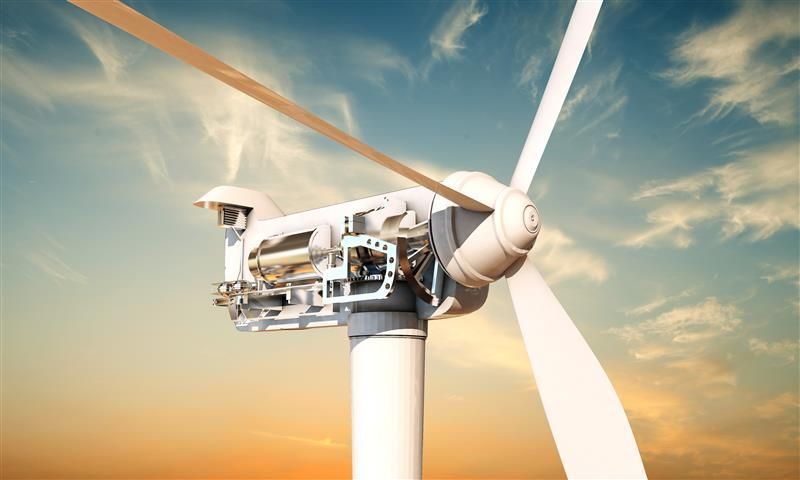
These improvements aim to extract more energy from available wind, reduce operational interruptions, and support stable integration with modern power grids.
Why Wind Turbine Technology Improvements Matter Today
Wind energy plays a critical role in global electricity generation and energy transition strategies. Technology improvements directly affect how efficiently wind resources are converted into usable power and how reliably turbines perform across diverse climates.
Wind turbine advancements matter because they:
-
Improve energy output from low- and moderate-wind regions
-
Enhance grid stability through better power regulation
-
Reduce mechanical stress and extend turbine lifespan
-
Support large-scale renewable integration into national grids
-
Improve safety through predictive monitoring and automation
-
Lower environmental impact per unit of electricity generated
These improvements affect utility planners, grid operators, engineers, environmental analysts, policymakers, and energy researchers. They help address challenges such as inconsistent wind availability, turbine downtime, grid fluctuation, and long-term asset reliability.
Recent Updates and Technology Trends
The past year has seen continued innovation across wind turbine components and digital systems. Improvements focus on efficiency gains, smarter control, and adaptability to varied wind conditions.
Key observed developments include:
-
Wider deployment of larger rotor diameters to capture more wind at lower speeds
-
Increased use of hybrid towers combining concrete and steel for greater height stability
-
Adoption of AI-based predictive maintenance to detect gearbox and bearing issues earlier
-
Growth in direct-drive turbine systems reducing mechanical complexity
-
Expansion of floating offshore wind platforms for deep-water installations
-
Enhanced power electronics for smoother grid synchronization
-
Improved recyclable blade materials to address end-of-life sustainability
Many regions reported higher capacity factors in newer turbine installations due to these improvements, reflecting better performance under variable wind conditions.
Regulatory Environment and Policy Influence
Wind turbine technology development is closely influenced by national energy policies, grid regulations, and environmental standards. While specific rules vary by country, common regulatory themes include:
-
Renewable energy targets aligned with climate commitments
-
Grid interconnection standards governing voltage and frequency stability
-
Land-use and zoning regulations for turbine placement
-
Noise and visual-impact guidelines for onshore projects
-
Environmental assessments related to wildlife and habitat protection
-
Offshore wind frameworks regulating maritime and coastal zones
Government programs often support research, testing, and demonstration of advanced turbine technologies. Policy clarity encourages long-term planning and adoption of improved designs while ensuring safety, environmental balance, and grid compatibility.
Core Areas of Wind Turbine Technology Improvement
Modern wind turbine innovation focuses on several interconnected areas.
Aerodynamics and Blade Design
-
Longer blades with optimized curvature improve energy capture
-
Adaptive pitch control adjusts blade angle based on wind speed
-
Lighter composite materials reduce structural load
Structural and Mechanical Systems
-
Taller towers access stronger and more consistent wind layers
-
Direct-drive generators reduce gearbox-related stress
-
Advanced bearings improve rotational stability
Digital Monitoring and Control
-
Sensor-based condition monitoring tracks vibration and temperature
-
SCADA systems provide real-time operational visibility
-
Automated shutdown protocols protect turbines during extreme weather
Grid Integration and Power Quality
-
Improved converters stabilize output voltage
-
Smart inverters support reactive power control
-
Grid-friendly ramp-rate management reduces fluctuations
Table: Traditional vs Improved Wind Turbine Features
| Aspect | Earlier Designs | Modern Improved Designs |
|---|---|---|
| Rotor Diameter | Smaller, fixed sizes | Larger, optimized diameters |
| Monitoring | Periodic manual checks | Continuous digital monitoring |
| Drive System | Gearbox-heavy | Direct-drive or hybrid systems |
| Grid Interaction | Limited control | Advanced power electronics |
| Maintenance Approach | Reactive | Predictive and condition-based |
Tools, Platforms, and Learning Resources
Various digital and analytical tools support understanding and management of wind turbine technology improvements.
Helpful resources include:
-
Wind resource assessment software for site analysis
-
Turbine performance modeling calculators
-
SCADA dashboards for operational monitoring
-
Predictive maintenance analytics platforms
-
Digital twins for turbine simulation and testing
-
Power curve analysis tools
-
Grid integration assessment frameworks
-
Environmental impact modeling tools
These resources assist engineers, planners, and analysts in evaluating turbine behavior, performance trends, and optimization strategies.
Practical Insights and Knowledge-Based Guidance
Understanding how improvements translate into real-world outcomes requires careful observation and data interpretation.
Useful insights include:
-
Larger turbines often improve output more than increasing turbine count
-
Height optimization significantly influences annual energy production
-
Predictive monitoring reduces unexpected shutdown events
-
Grid-aligned control systems improve power dispatch reliability
-
Material advancements reduce long-term structural fatigue
-
Offshore environments require corrosion-resistant designs
-
Data quality directly affects maintenance accuracy
Continuous learning and performance tracking help stakeholders adapt to evolving turbine technologies.
Table: Key Data Metrics Monitored in Modern Turbines
| Metric | Purpose |
|---|---|
| Wind Speed & Direction | Determines power generation potential |
| Rotor Speed | Indicates mechanical efficiency |
| Vibration Levels | Detects early mechanical stress |
| Power Output | Measures electrical performance |
| Temperature Readings | Monitors component health |
Frequently Asked Questions
What are wind turbine technology improvements?
They refer to advancements in turbine design, materials, digital control, and grid integration that improve efficiency, reliability, and lifespan.
Why are larger turbine blades important?
Longer blades capture more wind energy, especially in low-wind conditions, increasing overall electricity generation.
How does digital monitoring improve turbine performance?
It enables real-time condition tracking, early fault detection, and predictive maintenance, reducing unplanned downtime.
What role do policies play in turbine technology development?
Policies guide renewable targets, grid standards, environmental compliance, and research support, influencing technology adoption.
Are offshore turbines different from onshore turbines?
Yes. Offshore turbines are typically larger, designed for stronger winds, and built with corrosion-resistant materials and floating or fixed foundations.
Conclusion
Wind turbine technology improvements are central to the advancement of renewable energy systems worldwide. Through enhanced aerodynamics, stronger materials, smarter control systems, and digital monitoring, modern turbines generate more electricity with greater reliability and environmental consideration.
These advancements help address challenges such as variable wind conditions, grid integration complexity, and long-term operational stability. As policies continue to encourage clean energy development and digital tools become more sophisticated, wind turbine technology is expected to evolve further.
Understanding these improvements provides valuable insight into how wind energy continues to strengthen its role in sustainable power generation. Wind turbine innovation is not a single upgrade but a continuous process driven by engineering, data intelligence, and responsible energy planning.