The idea of wearable technology developed alongside advances in sensor miniaturization, wireless communication, and mobile computing. Early devices focused on basic step counting, while modern wearables integrate multiple sensors such as accelerometers, gyroscopes, optical heart sensors, and temperature monitors. Their purpose is not medical diagnosis, but awareness helping users observe trends in activity, sleep, and lifestyle behavior over time.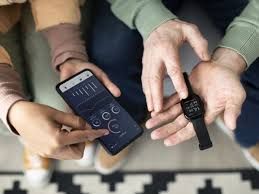
Why Wearable Technology Devices Matter Today
Wearable technology has become relevant due to changing lifestyles, increased screen time, sedentary routines, and growing interest in preventive wellness awareness. Many individuals now seek measurable ways to understand how daily habits influence physical activity levels and overall wellness balance.
These devices matter because they help address common challenges such as:
-
Lack of awareness about daily movement and inactivity
-
Difficulty maintaining consistent fitness routines
-
Limited understanding of sleep patterns and rest quality
-
Need for simple data-driven motivation to stay active
-
Tracking wellness trends without manual logging
Wearable devices affect a broad audience, including office workers, students, athletes, seniors, and individuals managing lifestyle routines. They provide accessible insights without requiring technical expertise, allowing users to interpret data through charts, summaries, and alerts.
By converting movement and physiological signals into visual information, wearables support informed lifestyle adjustments and long-term habit formation.
How Wearable Fitness and Wellness Tracking Works
Wearable devices operate through embedded sensors that detect motion, light, pressure, and temperature. These sensors collect raw data continuously or at intervals, depending on device settings.
A typical data flow includes:
-
Sensors detect movement, pulse signals, or environmental changes
-
The device processes data using internal algorithms
-
Information syncs with a mobile or desktop application
-
Dashboards display summaries, trends, and historical comparisons
Most fitness tracking focuses on activity duration, intensity, frequency, and rest patterns. Wellness-focused features may include breathing rhythm estimation, stress trend indicators, or recovery metrics derived from heart-rate variability.
Common Types of Wearable Technology Devices
| Device Category | Primary Focus | Typical Usage |
|---|---|---|
| Fitness Bands | Steps, movement, calories | Daily activity awareness |
| Smartwatches | Activity + notifications | Integrated lifestyle tracking |
| Smart Rings | Sleep and recovery trends | Lightweight wellness monitoring |
| Clip-on Trackers | Movement tracking | Minimalist activity logging |
| Smart Clothing | Motion and posture | Specialized training analysis |
These categories vary in complexity, sensor depth, and data presentation style.
Recent Developments and Trends in Wearable Technology
Over the past year, wearable technology has continued to evolve with emphasis on accuracy, personalization, and data interpretation. Developments observed during 2024–2025 include:
-
Improved sensor calibration for motion and optical tracking
-
Expansion of sleep-stage analysis using combined data points
-
Greater focus on recovery and rest metrics rather than only steps
-
Integration of artificial intelligence to highlight meaningful trends
-
Increased battery efficiency supporting longer usage cycles
-
Broader compatibility with health dashboards and operating systems
-
Emphasis on on-device data processing to support privacy awareness
Another visible trend is the shift from competition-based metrics toward balanced wellness insights. Many platforms now highlight consistency, rest quality, and gradual improvement rather than only performance intensity.
Regulatory and Policy Considerations
Wearable technology devices operate within broader digital, data protection, and consumer electronics regulations. While these devices are not classified as medical instruments, they are influenced by policies related to data handling and electronic safety.
Common regulatory considerations include:
-
Data protection and user consent for personal information storage
-
Transparency regarding data collection and usage practices
-
Compliance with electronic communication and wireless standards
-
Restrictions on presenting wellness data as medical diagnosis
-
Alignment with national digital privacy frameworks
In many regions, data collected by wearables must follow general digital privacy laws, ensuring user control over access, storage, and deletion of personal information. These policies aim to protect individuals while allowing innovation in wellness technology.
Tools, Apps, and Helpful Resources
Wearable technology is supported by a range of digital tools that help users interpret and manage collected data effectively.
Commonly used resources include:
-
Companion mobile applications for daily dashboards
-
Activity trend visualizers showing weekly and monthly summaries
-
Sleep analysis tools displaying duration and consistency
-
Movement calculators estimating distance and activity time
-
Wellness score summaries combining multiple indicators
-
Cloud dashboards for long-term data comparison
-
Data export tools for personal record keeping
Educational resources such as user guides, online knowledge centers, and interactive tutorials also help users understand metrics and device features more clearly.
Practical Insights and Helpful Suggestions
Using wearable devices effectively involves consistency and realistic interpretation of data. The following insights support meaningful use:
-
Focus on trends rather than single-day values
-
Maintain regular wearing habits for accurate tracking
-
Review weekly summaries instead of checking data frequently
-
Combine activity data with sleep and rest observations
-
Adjust personal goals gradually to support long-term habits
-
Understand that metrics are estimates, not absolute values
-
Use insights as guidance rather than strict targets
Wearables are most beneficial when treated as awareness tools that support reflection and gradual improvement rather than performance pressure.
Frequently Asked Questions
What are wearable technology devices used for?
They are used to track physical activity, movement patterns, and general wellness indicators to help users understand daily habits.
Are fitness tracking results always accurate?
Results are based on sensor estimates and algorithms. They provide useful trends rather than precise measurements.
Can wearable devices track sleep?
Yes, many devices estimate sleep duration and stages using motion and heart-related signals.
Do wearable devices work without a smartphone?
Most devices collect data independently but require periodic syncing with an application for detailed insights.
Are wearable wellness metrics medical data?
No, wellness metrics are informational and not intended for diagnosis or treatment decisions.
Conclusion
Wearable technology devices play an important role in modern lifestyle awareness by translating everyday movement and behavior into understandable data. Through fitness tracking and wellness monitoring, they help individuals observe patterns, recognize habits, and make informed adjustments to daily routines.
As technology advances, wearable devices continue to focus on clarity, usability, and balanced wellness insights rather than raw performance metrics. When used consistently and thoughtfully, they support long-term awareness, healthier routines, and a better understanding of how daily actions influence overall well-being.
Wearable technology is best viewed as a supportive companion providing information, encouraging reflection, and helping individuals stay connected to their physical activity and wellness journey.