A surge protector is a protective electrical device that limits excessive voltage by diverting or absorbing surplus energy before it reaches sensitive equipment. Unlike basic power strips, surge protectors are engineered with internal components that respond instantly to voltage irregularities. Their role is preventative, not corrective, and they function silently in the background of homes, offices, and industrial environments.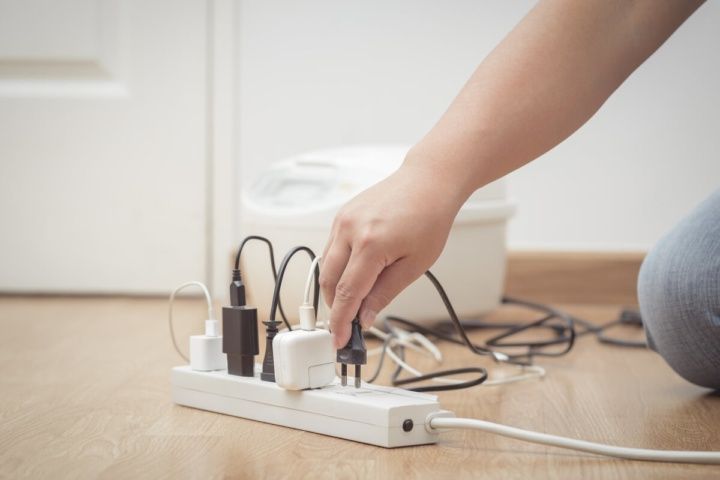
The development of surge protection devices increased alongside the rise of electronic appliances, computers, automation systems, and digital infrastructure. As modern life depends heavily on stable electricity, surge protectors became an essential part of electrical safety planning.
Why Surge Protection Matters Today
Modern environments rely on devices that are highly sensitive to voltage fluctuations. Microprocessors, circuit boards, smart appliances, networking equipment, and control systems can malfunction or fail when exposed to power surges, even if the surge lasts only milliseconds.
Surge protection matters today because:
-
Power grids are more interconnected and complex than ever
-
Homes and offices use multiple electronic devices simultaneously
-
Renewable energy integration can introduce switching fluctuations
-
Extreme weather events increase lightning-related voltage spikes
-
Equipment replacement and downtime risks affect productivity
Surge protectors help address these challenges by acting as a buffer between unstable power supply and valuable electrical equipment. They reduce the likelihood of insulation breakdown, data loss, component degradation, and unexpected shutdowns.
This topic affects homeowners, office users, data centers, educational institutions, healthcare facilities, and industrial operations. Anyone relying on electronic equipment benefits from understanding how surge protection works and why it is necessary.
Recent Updates and Industry Trends
Over the past year, surge protection technology has continued to evolve alongside changes in electrical infrastructure and device usage patterns.
Notable developments observed during 2024–2025 include:
-
Increased focus on whole-building surge protection in residential and commercial construction
-
Wider use of modular surge protection devices within electrical distribution panels
-
Improved response times and thermal protection mechanisms in modern designs
-
Greater awareness of surge risks linked to electric vehicle charging systems
-
Integration of surge monitoring indicators for maintenance visibility
-
Enhanced standards alignment for low-voltage electronic protection
These updates reflect a shift toward proactive electrical safety planning rather than reactive damage control. Surge protection is increasingly viewed as part of a broader power quality and risk management strategy.
Laws, Standards, and Regulatory Considerations
Surge protectors are influenced by electrical safety standards and installation regulations that vary by country but follow similar principles. These rules aim to ensure safe integration into electrical systems and reliable performance during voltage events.
Common regulatory aspects include:
-
Electrical installation codes that recommend or require surge protection in certain buildings
-
Product certification standards for surge protection devices
-
Testing requirements for voltage clamping and energy absorption capability
-
Fire safety and thermal protection compliance
-
Guidelines for placement at main distribution boards or sub-panels
In many regions, updated building codes increasingly reference surge protection for critical circuits, especially where sensitive electronics are present. Compliance with recognized standards supports electrical safety, equipment reliability, and insurance alignment.
How Surge Protectors Work
Surge protectors operate by detecting voltage levels above a predefined threshold and redirecting excess energy away from connected equipment. This action occurs within microseconds.
Key functional elements include:
-
Voltage sensing components that identify abnormal spikes
-
Energy-diverting paths that route excess voltage to ground
-
Absorbing materials that dissipate surge energy as heat
-
Protective cut-off features that prevent overheating
The most common internal component is the metal oxide varistor (MOV), which changes resistance when voltage exceeds safe levels. Advanced designs may also include gas discharge tubes or transient voltage suppression diodes.
Table: Common Types of Surge Protection Devices
| Type | Typical Placement | Primary Purpose |
|---|---|---|
| Point-of-use | Near individual equipment | Localized device protection |
| Panel-mounted | Electrical distribution board | Circuit-level surge control |
| Whole-building | Main power entry point | Broad system-wide protection |
| Data-line protection | Network or signal paths | Protects communication equipment |
Tools and Reference Resources
Understanding and managing surge protection is easier with access to educational and technical resources. While these are not transactional tools, they support informed decision-making and system planning.
Helpful resources include:
-
Electrical safety handbooks explaining surge phenomena
-
Voltage fluctuation and power quality reference charts
-
National electrical code publications
-
Manufacturer technical documentation and datasheets
-
Educational diagrams illustrating surge paths
-
Risk assessment templates for electrical systems
-
Online voltage calculator references for theoretical understanding
These resources help users understand surge behavior, device ratings, and appropriate placement strategies without requiring advanced engineering knowledge.
Practical Insights and Usage Considerations
Effective surge protection depends on correct application and awareness of system limitations. A few practical insights help clarify expectations:
-
Surge protectors reduce risk but cannot eliminate all electrical hazards
-
Protection effectiveness depends on grounding quality
-
Devices have finite energy-handling capacity
-
Indicators should be checked periodically for operational status
-
Layered protection improves overall system resilience
It is also important to distinguish between temporary voltage spikes and prolonged overvoltage conditions, which require different protective strategies.
Table: Surge Rating and Protection Meaning
| Parameter | What It Indicates | Why It Matters |
|---|---|---|
| Joule rating | Energy absorption capacity | Higher rating supports longer protection life |
| Clamping voltage | Maximum voltage passed through | Lower values mean tighter control |
| Response time | Speed of surge reaction | Faster response reduces damage risk |
| Mode of protection | Line-to-line or line-to-ground | Determines coverage scope |
FAQs
What is a power surge?
A power surge is a sudden, short-duration increase in voltage above normal operating levels, often caused by lightning, grid switching, or equipment cycling.
Is a surge protector the same as a circuit breaker?
No. Circuit breakers respond to overcurrent conditions, while surge protectors respond to overvoltage events.
Do surge protectors wear out over time?
Yes. Each surge absorbed slightly degrades internal components, eventually reducing effectiveness.
Can surge protectors protect against lightning?
They help reduce damage from indirect lightning-induced surges but cannot fully protect against a direct strike.
Why is grounding important for surge protection?
Grounding provides a safe path for excess voltage to dissipate, enabling surge protectors to function correctly.
Conclusion
Surge protectors play a critical role in modern electrical safety by managing sudden voltage spikes that can damage sensitive equipment. As electrical systems become more complex and electronic dependence grows, understanding surge protection basics becomes increasingly important for households, workplaces, and infrastructure environments.
Recent trends show greater emphasis on integrated and layered protection approaches, supported by updated standards and awareness of power quality risks. Surge protection devices are not standalone solutions but part of a broader electrical safety framework that includes grounding, proper installation, and system planning.
By understanding how surge protectors work, what factors influence their performance, and how they fit into modern electrical systems, users can make informed decisions that support equipment longevity, operational stability, and overall electrical reliability.