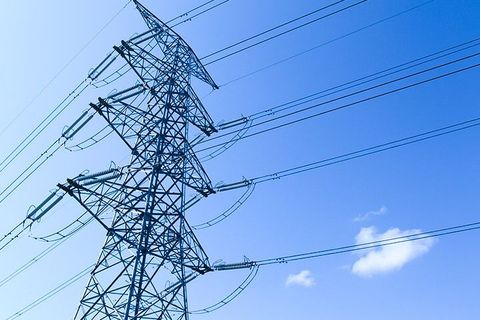
Traditional power grids were designed for one-directional electricity flow, moving power from centralized generation units to end users. Over time, energy systems became more diverse, incorporating distributed generation, variable demand patterns, and advanced metering. Smart grid management emerged to handle these changes through real-time data exchange and automated decision-making.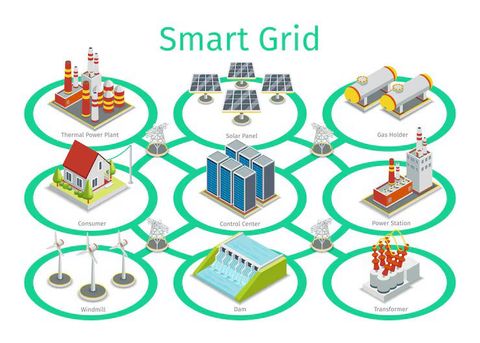
At its core, smart grid management focuses on visibility and control. Sensors, meters, and control platforms collect information across the grid, allowing operators to understand system conditions and respond appropriately. This approach helps modern grids function as adaptive networks rather than static infrastructures.
Why Smart Grid Management Matters
Smart grid management is important because energy systems now face higher demand variability, increased integration of renewable sources, and expectations for stable power delivery. Managing these factors with conventional methods can lead to inefficiencies and operational challenges.
This topic affects:
-
Electricity consumers relying on consistent power supply
-
Grid operators managing transmission and distribution networks
-
Energy planners and infrastructure authorities
-
Industrial and commercial power users
Key challenges addressed by smart grid management include:
-
Fluctuating demand and supply patterns
-
Limited visibility into grid performance
-
Delayed response to faults or outages
-
Inefficient energy distribution
By enabling real-time monitoring and automated control, smart grid management supports better load balancing and faster issue identification. It helps grids adapt to changing conditions without relying solely on manual intervention, contributing to system stability and operational awareness.
Evolving Practices and Operational Developments
Smart grid management practices continue to evolve as digital technologies mature. One notable development is the increased use of data analytics to interpret grid behavior. Advanced analytics help identify usage patterns, detect anomalies, and support predictive decision-making.
Another shift involves stronger integration of distributed energy resources. Smart grids are designed to accommodate power generated from multiple locations rather than a single central source. Management systems coordinate these inputs to maintain balance across the network.
There is also a growing focus on grid resilience. Smart grid tools are increasingly used to isolate faults, reroute power, and support quicker recovery. These practices aim to minimize disruption and maintain continuity in complex energy environments.
Regulatory and Policy Influence
Smart grid management operates within a framework of energy regulations, technical standards, and government programs. These policies are intended to ensure grid safety, data protection, and reliable power delivery.
Common regulatory areas include:
-
Grid operation and reliability standards
-
Data privacy and cybersecurity guidelines
-
Interconnection rules for distributed energy sources
-
Energy efficiency and monitoring requirements
Government-led energy modernization initiatives often encourage the adoption of smart grid technologies. While regulations define compliance boundaries, smart grid management systems help operators meet these expectations through structured monitoring and reporting.
Tools and Knowledge Resources
A variety of tools and resources support smart grid management by enabling analysis, monitoring, and planning. These tools focus on improving understanding and control of grid operations.
Common tools and resources include:
-
Grid monitoring and visualization platforms
-
Load forecasting and demand analysis tools
-
Network simulation and modeling software
-
Data analytics dashboards for performance tracking
-
Technical documentation and grid operation manuals
The table below illustrates how different tools contribute to grid management.
| Tool Category | Primary Function | Practical Outcome |
|---|---|---|
| Monitoring Platforms | Real-time grid visibility | Faster response |
| Forecasting Tools | Demand prediction | Balanced load |
| Simulation Software | Network behavior analysis | Planning accuracy |
| Analytics Dashboards | Performance evaluation | Operational insight |
These resources help translate grid data into actionable knowledge for operators and planners.
Core Components of Smart Grid Management
Smart grid management relies on several interconnected components working together to maintain system performance. Each component supports a specific aspect of grid operation.
Key components include:
-
Advanced meters: Capture detailed usage data
-
Sensors and devices: Monitor voltage, frequency, and flow
-
Communication networks: Enable data exchange
-
Control systems: Execute automated responses
-
Data platforms: Store and analyze grid information
The interaction among these elements enables coordinated grid operation rather than isolated control.
| Component | Role in Grid Management |
|---|---|
| Smart Meters | Usage visibility |
| Sensors | Condition monitoring |
| Communication Systems | Data transfer |
| Control Platforms | Automated actions |
Understanding these components helps clarify how smart grids operate as integrated systems.
Data and Communication in Smart Grids
Data plays a central role in smart grid management. Continuous information flow allows operators to understand grid conditions at multiple points simultaneously. Communication networks connect field devices, control centers, and analytical platforms.
Key aspects of grid data management include:
-
Data accuracy and timeliness
-
Secure transmission protocols
-
Structured storage for analysis
-
Clear visualization for decision support
Effective communication ensures that data collected at the field level translates into informed actions at the system level.
Frequently Asked Questions
What is the primary goal of smart grid management?
The primary goal is to manage electrical networks efficiently and reliably using real-time data and automated control.
How does smart grid management differ from traditional grid management?
Smart grid management uses digital monitoring and communication, while traditional grids rely more on manual processes and limited data.
Does smart grid management support renewable energy integration?
Yes. It helps coordinate variable energy inputs and maintain balance across the grid.
Is smart grid management focused only on large power networks?
No. It can be applied to transmission systems, distribution networks, and localized grids.
Why is data important in smart grid management?
Data enables visibility, analysis, and timely decision-making across complex grid systems.
Concluding Perspective
Smart grid management represents a structured approach to handling the growing complexity of modern energy systems. By combining monitoring, communication, and control technologies, it transforms traditional grids into adaptive and responsive networks.
Understanding the context, importance, regulatory environment, and supporting tools of smart grid management helps clarify how electricity systems are evolving. As energy demands and sources continue to diversify, smart grid management remains a practical framework for maintaining reliable, informed, and balanced grid operations.