Explore Root Canal Treatment: Procedure, Benefits, and Recovery Explained
Root canal treatment is an important part of modern restorative dentistry. It focuses on treating infection or damage inside a tooth while preserving its natural structure. Advances in dental imaging, endodontic instruments, and treatment techniques have improved how dental professionals examine and manage conditions affecting the inner tooth.
Understanding root canal treatment helps patients recognize possible symptoms, learn about available treatment approaches, and make informed decisions about dental health. From the initial examination to recovery, several factors influence the treatment process and its expected results.
What Is Root Canal Treatment?
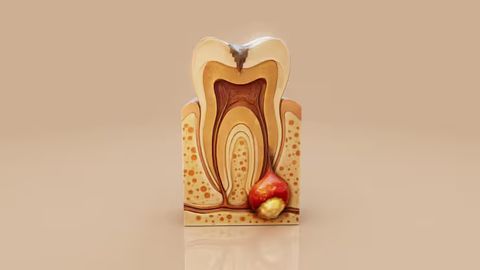
Root canal treatment, also known as endodontic treatment, is a dental procedure that addresses problems affecting the soft tissue inside a tooth. This tissue, called the dental pulp, contains nerves, blood vessels, and connective tissue.
The pulp is located within the tooth's central chamber and extends through narrow channels called root canals. When bacteria enter this area through deep tooth decay, cracks, injuries, or other damage, inflammation or infection can develop.
During root canal treatment, a dentist removes the affected pulp, cleans and shapes the internal canals, and seals the space with a suitable dental material.
The main objective is to preserve the natural tooth and prevent the infection from spreading into surrounding tissues.
Why Does a Tooth Need Root Canal Treatment?
Several dental conditions can affect the pulp and make endodontic treatment necessary.
Common causes include:
Deep tooth decay: Advanced cavities can allow bacteria to reach the dental pulp.
Cracked teeth: Fractures may create pathways for bacteria to enter the inner tooth.
Dental injuries: Accidents or physical impacts can damage the pulp, sometimes without visible external damage.
Repeated dental procedures: Multiple treatments on the same tooth may contribute to pulp irritation or damage.
Dental infections: Bacterial activity can cause inflammation and infection around the tooth root.
Symptoms vary depending on the condition. Some people experience persistent toothache, sensitivity to temperature, discomfort while chewing, or swelling around the affected area. Other cases may develop without noticeable symptoms.
A dental examination is necessary to determine whether root canal treatment is appropriate.
How Root Canal Treatment Works
The procedure generally involves several stages. The exact approach depends on the tooth's structure, infection level, and individual clinical findings.
Initial Examination and Diagnosis
The dentist examines the affected tooth and reviews the patient's dental history. Dental X-rays help identify the number of roots, the shape of the canals, and possible changes in the surrounding bone.
Local Anaesthesia
Local anaesthesia is commonly administered to reduce discomfort during the procedure. The patient remains awake while the treatment area becomes numb.
Removal of Infected Pulp
A small opening is created in the tooth to reach the pulp chamber. Damaged or infected tissue is carefully removed using specialized endodontic instruments.
Cleaning and Shaping
The root canals are cleaned, disinfected, and shaped to prepare them for filling. Irrigating solutions help remove remaining tissue and reduce bacterial contamination.
Filling and Sealing
After cleaning, the canals are filled with a suitable material, commonly gutta-percha, and sealed to reduce the possibility of reinfection.
Final Restoration
A permanent filling or dental crown may be placed to restore the tooth's function and protect its remaining structure. The need for a crown depends on the tooth's location and the amount of remaining healthy tissue.
Some treatments can be completed in one appointment, while others require multiple visits.
Importance of Root Canal Treatment in Modern Dentistry
Preserving natural teeth is an important objective in restorative dentistry. Root canal treatment provides an approach for managing certain internal tooth infections without automatically removing the affected tooth.
Its importance extends to several areas of oral health.
Natural tooth preservation: Retaining a natural tooth helps maintain normal chewing function.
Management of infection: Removing infected pulp tissue helps address the source of infection within the tooth.
Oral structure maintenance: Keeping natural teeth can help maintain the arrangement of surrounding teeth.
Restoration of function: A properly restored tooth can continue supporting everyday activities such as chewing.
Dental health planning: Endodontic treatment can form part of a broader approach to managing damaged or infected teeth.
The treatment is not suitable for every damaged tooth. Severe fractures, insufficient remaining tooth structure, or certain other conditions may require different clinical approaches.
People Who May Need Endodontic Evaluation
An endodontic evaluation may be appropriate for people experiencing:
Persistent or unexplained tooth pain.
Sensitivity that continues after exposure to hot or cold temperatures.
Swelling around the gums near a particular tooth.
Pain when biting or applying pressure.
Tooth discoloration following an injury.
A dental abscess or previously identified infection.
Facial swelling accompanied by fever, difficulty swallowing, or difficulty breathing requires urgent medical attention. Dental infections should not be ignored because they can sometimes spread beyond the affected tooth.
Recent Developments in Root Canal Treatment
Endodontic dentistry continues to develop through improvements in diagnostic imaging, dental materials, and minimally invasive techniques. Research published during 2025 and 2026 has also contributed to discussions about treatment planning and the preservation of natural tooth structure.
Evidence-Based Endodontic Guidelines in 2025
On April 11, 2025, research published in the British Dental Journal discussed the European Society of Endodontology's S3-level clinical practice guidelines.
These recommendations address the diagnosis and management of conditions such as pulpitis and apical periodontitis. They emphasize clinical assessment, appropriate treatment selection, and evidence-based approaches to preserving natural teeth.
Advanced Dental Imaging
In January 2026, an updated joint position statement concerning cone-beam computed tomography (CBCT) in endodontics was published.
CBCT provides three-dimensional images that can help dental professionals evaluate complex root structures and certain difficult diagnostic cases. However, it is not required for every root canal procedure. Its use should depend on clinical needs and radiation considerations.
Improved Dental Instruments and Materials
Modern endodontic practice increasingly uses nickel-titanium rotary instruments, digital working-length measurement devices, and advanced irrigation systems.
These technologies support the cleaning and shaping of complicated root canal systems. Bioceramic materials are also used in selected endodontic procedures because of their sealing and material properties.
Greater Attention to Tooth Preservation
Recent dental research increasingly considers whether damaged pulp tissue can be managed through selected vital pulp therapy procedures rather than automatically removing all pulp tissue.
This approach depends on diagnosis, the condition of the remaining pulp, and individual clinical circumstances. It does not replace conventional root canal treatment in every situation.
Laws, Regulations, and Dental Healthcare Policies
Dental treatment is influenced by professional licensing requirements, patient safety standards, clinical practice guidelines, and healthcare regulations. These requirements differ between countries.
In India, dental practice underwent an important regulatory development in March 2026.
National Dental Commission Act, 2023
The National Dental Commission framework came into effect on March 19, 2026, replacing the previous Dental Council of India regulatory structure.
The new framework establishes oversight through the National Dental Commission and three autonomous boards:
Undergraduate and Postgraduate Dental Education Board.
Dental Assessment and Rating Board.
Ethics and Dental Registration Board.
These bodies have responsibilities relating to dental education, institutional assessment, professional registration, and ethical standards.
Patient Safety and Professional Standards
Dental professionals are expected to follow applicable professional requirements and maintain appropriate clinical standards.
Important considerations include:
Appropriate professional registration and qualifications.
Informed patient consent before treatment.
Infection prevention and sterilization procedures.
Proper handling of dental instruments and materials.
Appropriate dental imaging and radiation safety.
Accurate clinical records and treatment documentation.
Public Oral Healthcare Programmes
India's National Oral Health Programme supports the development of oral healthcare awareness and preventive dental services through public healthcare systems.
Its broader objectives include improving oral health awareness, encouraging early identification of dental problems, and strengthening oral healthcare infrastructure.
However, eligibility and availability of specific dental procedures depend on the relevant healthcare facility and applicable programme guidelines.
Tools and Resources for Root Canal Treatment
Several technologies and educational resources support modern endodontic diagnosis, treatment planning, and patient education.
| Tool or Resource | Main Purpose |
|---|---|
| Digital Dental X-rays | Examine tooth roots and surrounding structures |
| Cone-Beam CT (CBCT) | Provide three-dimensional dental imaging when indicated |
| Apex Locator | Help estimate the working length of root canals |
| Rotary Endodontic Files | Assist with cleaning and shaping root canals |
| Dental Operating Microscope | Improve visibility of detailed internal structures |
| Digital Dental Records | Maintain examination and treatment information |
| Gutta-Percha | Commonly used material for filling root canals |
| Dental Isolation Dam | Help keep the treatment area clean and dry |
Educational and Professional Resources
The following organizations provide useful dental information and professional guidance:
American Association of Endodontists (AAE): Provides educational materials and information about root canal procedures and endodontic health.
American Dental Association (ADA): Publishes resources covering oral health, dental safety, and evidence-based dentistry.
European Society of Endodontology (ESE): Develops clinical recommendations and professional resources relating to endodontic treatment.
National Dental Commission (India): Provides information about professional dental regulation and dental education.
National Oral Health Programme (India): Supports public awareness and preventive oral healthcare initiatives.
These resources can help readers understand dental terminology, treatment approaches, and professional standards.
Frequently Asked Questions About Root Canal Treatment
1. What is the main purpose of root canal treatment?
The main purpose is to remove infected or damaged pulp tissue, clean the internal root canals, and seal the tooth. This can help preserve a natural tooth that might otherwise require extraction.
2. Is root canal treatment painful?
Local anaesthesia is generally used during the procedure to minimize discomfort. Some tenderness or soreness may occur afterward, but it usually improves over time. Persistent or worsening pain should be evaluated by a dentist.
3. How many appointments are required for root canal treatment?
The number of appointments depends on the tooth's condition, root canal complexity, and treatment requirements. Some procedures are completed in one appointment, while others require two or more visits.
4. How long does a root canal-treated tooth last?
A properly treated and restored tooth can remain functional for many years. Its longevity depends on factors such as the quality of the restoration, oral hygiene, remaining tooth structure, and regular dental examinations.
5. Is a dental crown always necessary after root canal treatment?
No. A crown is not required in every case. However, teeth with significant structural damage, particularly back teeth exposed to greater chewing forces, may benefit from crown protection. The dentist determines the appropriate restoration after examining the tooth.
Conclusion
Root canal treatment is an established part of modern endodontic dentistry that helps manage infection and damage within the dental pulp while preserving natural teeth. Understanding its causes, diagnostic methods, procedural stages, and recovery considerations can help individuals make informed decisions about oral healthcare.
Developments in digital imaging, specialized instruments, dental materials, and evidence-based clinical guidelines continue to influence endodontic practice. At the same time, professional regulations and patient safety standards remain essential to maintaining appropriate dental care.
Regular dental examinations, good oral hygiene, and timely professional evaluation of unusual tooth symptoms can contribute to better long-term oral health. Each treatment decision should be based on an individual's dental condition and assessment by a qualified dental professional.
Disclaimer: The information provided in this article is for informational purposes only. We do not make any claims or guarantees regarding the accuracy, reliability, or completeness of the information presented. The content is not intended as professional advice and should not be relied upon as such. Readers are encouraged to conduct their own research and consult with appropriate professionals before making any decisions based on the information provided in this article.

Related Post...
Explore Root Canal Treatment: Procedure, Benefits, and Recovery Explained
Updated: November 04, 2026
Read More
Fitness Trackers and Gadgets: Key Insights Into Modern Wearable Technology
Updated: November 02, 2026
Read More
Essential Tips for Understanding Routine Blood Tests and Their Importance
Updated: November 04, 2026
Read More