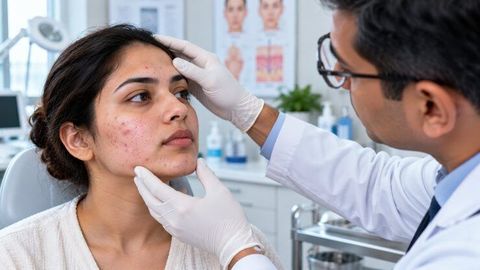
Explore Different Skin Tightening Procedures and Their Benefits
Skin tightening procedures are medical and aesthetic techniques designed to improve the appearance of loose, sagging, or less firm skin. These procedures use different approaches, including energy-based technologies, minimally invasive techniques, and surgical methods, to influence the skin's structure and appearance.
Skin firmness is closely connected to collagen and elastin, two important proteins found in the skin. Collagen provides structural support, while elastin helps the skin return to its original shape after stretching. As people age, the production and organization of these proteins gradually change, which can contribute to wrinkles, reduced elasticity, and visible sagging.
Other factors can influence skin firmness, including:
Natural ageing and genetic characteristics.
Significant weight changes.
Pregnancy and changes in body shape.
Long-term exposure to ultraviolet radiation.
Environmental conditions and lifestyle habits.
Changes in the skin following certain medical conditions.
Skin tightening technology has developed considerably over recent decades. Modern procedures include radiofrequency skin tightening, laser skin tightening, ultrasound skin tightening, and radiofrequency microneedling. Each method uses a different mechanism and may be appropriate for different skin conditions.
These procedures do not produce identical results. Their effectiveness depends on the technology, treatment area, individual skin characteristics, and clinical expertise.
Why Skin Tightening Procedures Matter Today
Interest in cosmetic dermatology and non-surgical skin tightening has increased as people learn more about aesthetic medicine and technological developments. Many individuals explore these procedures to understand changes in skin texture, elasticity, and firmness.
Skin tightening treatments are also relevant to dermatologists, plastic surgeons, medical researchers, and healthcare professionals studying skin ageing and tissue regeneration.
Understanding changes in skin elasticity
Reduced collagen production is one of the major biological changes associated with ageing. Over time, the skin may become thinner, less elastic, and more susceptible to wrinkles.
Some energy-based procedures create controlled heating within selected skin layers. This process can stimulate tissue responses associated with collagen remodelling. However, the degree of improvement varies between individuals.
Different technologies address different concerns
Skin tightening procedures are not limited to facial treatments. Depending on the technology and its authorized use, procedures may target:
Mild skin laxity around the jawline and cheeks.
Changes in skin firmness around the neck.
Loose skin in selected body areas.
Fine lines and certain wrinkles.
Changes in skin texture and appearance.
Surgical and non-surgical approaches
Surgical procedures generally involve removing excess skin and repositioning underlying tissues. Non-surgical techniques usually rely on controlled energy delivery without making traditional surgical incisions.
The appropriate approach depends on the amount of loose skin, the treatment area, general health, and expected results. Non-surgical methods are not equivalent replacements for surgery in every situation.
The role of collagen stimulation
Several skin tightening technologies aim to influence collagen production or remodelling. This biological process takes time, so visible changes may develop gradually rather than immediately.
People researching collagen stimulation treatments should understand that individual outcomes cannot be guaranteed and that scientific evidence differs between technologies.
Major Types of Skin Tightening Procedures
Modern aesthetic medicine includes several techniques. Understanding their differences helps explain how each procedure works.
Radiofrequency Skin Tightening
Radiofrequency (RF) skin tightening uses electrical energy to generate controlled heat within selected tissue layers. The heating process can influence collagen fibres and stimulate tissue remodelling.
Common applications include selected facial and body areas. Some technologies use external applicators, while others deliver energy through microneedles.
Possible side effects include temporary redness, swelling, tenderness, and discomfort. More serious complications can occur, particularly when energy is delivered incorrectly.
Ultrasound Skin Tightening
Ultrasound skin tightening uses focused sound-wave energy to create thermal effects at targeted depths beneath the skin.
Certain systems are designed to reach deeper tissue layers while limiting exposure to surrounding structures. The technology is used in selected aesthetic applications, depending on the device's authorization.
Possible temporary effects include tenderness, swelling, redness, and tingling. Results and treatment suitability vary.
Laser Skin Tightening
Laser skin tightening uses controlled light energy to heat selected skin tissues. Different laser wavelengths interact with skin structures in different ways.
Some laser technologies primarily address surface texture, while others target deeper layers. Fractional laser procedures create controlled microscopic treatment zones to encourage skin renewal.
The technology selected depends on skin characteristics, pigmentation, treatment depth, and the intended clinical purpose.
Radiofrequency Microneedling
Radiofrequency microneedling combines small needles with radiofrequency energy. The needles enter selected skin layers and deliver thermal energy beneath the surface.
The technique is studied and used for certain skin texture concerns and wrinkles. However, it requires medical expertise because incorrect depth, energy settings, or technique can cause significant injuries.
Surgical Skin Tightening
Surgical procedures, including facelift and body-lift surgery, involve removing excess skin and repositioning tissues.
These approaches are generally considered when skin laxity is more pronounced. They involve surgical recovery, anaesthesia-related considerations, and risks such as bleeding, infection, scarring, and changes in sensation.
Comparison of Common Skin Tightening Technologies
The following table provides a general overview of the main techniques.
Procedure | Main technology | General approach |
|---|---|---|
Radiofrequency | Electrical energy | Controlled tissue heating |
Ultrasound | Focused sound waves | Targeted thermal energy |
Laser | Light energy | Controlled heating of skin tissues |
RF microneedling | Needles and RF energy | Energy delivery beneath the skin |
Surgical tightening | Surgical techniques | Removal and repositioning of tissue |
No single technique is appropriate for every person. Device specifications, clinical indications, and practitioner expertise are important considerations.
Recent Developments in Skin Tightening Technology (2025–2026)
Developments in aesthetic dermatology increasingly focus on improving energy delivery, understanding tissue responses, and identifying potential complications. However, technological advancement does not automatically mean that a procedure is safer or more effective.
October 15, 2025: FDA warning about radiofrequency microneedling
The United States Food and Drug Administration (FDA) issued a safety communication on October 15, 2025, concerning serious complications reported with certain uses of radiofrequency microneedling devices.
Reported complications included:
Burns and scarring.
Unwanted fat loss.
Nerve damage.
Disfigurement.
Injuries requiring surgical repair or medical intervention.
The FDA advised patients to seek treatment from appropriately trained healthcare professionals and emphasized that RF microneedling is a medical procedure, not an at-home cosmetic technique. The agency also stated that its evaluation of the reported complications was ongoing.
Developments in device-specific safety information
The FDA's updated microneedling information in October 2025 also highlighted the importance of checking whether particular devices have been legally authorized for their intended uses.
Authorization for one treatment area or medical indication does not automatically establish authorization for every other application.
Greater attention to personalized treatment planning
Another important development in aesthetic medicine is the emphasis on evaluating individual skin characteristics before selecting a procedure.
Healthcare professionals increasingly consider factors such as:
Skin thickness and elasticity.
Treatment depth and anatomical location.
Skin pigmentation and sensitivity.
Previous cosmetic procedures.
Medical history and implanted devices.
Individual recovery expectations.
Improvements in energy-based technologies
Research continues into more controlled radiofrequency, ultrasound, and laser energy delivery. Areas of interest include treatment precision, tissue temperature monitoring, and reducing unnecessary exposure to surrounding structures.
Nevertheless, clinical evidence varies between technologies. Newer devices should be evaluated through their actual regulatory status and available clinical research rather than promotional descriptions.
Laws, Regulations, and Medical Policies
Skin tightening procedures are affected by medical device regulations, healthcare professional licensing requirements, patient safety standards, and advertising rules. Regulations differ between countries, so a device's authorization in one market should not be assumed to apply internationally.
United States: FDA regulations
The FDA regulates medical devices according to their intended purpose and associated risks.
Relevant regulatory considerations include:
Medical device marketing authorization.
Device-specific intended uses and indications.
Manufacturing and quality requirements.
Safety reporting and adverse-event monitoring.
Restrictions on unsupported medical claims.
Certain radiofrequency microneedling devices are regulated as Class II medical devices through the FDA's 510(k) pathway. However, clearance for a particular indication does not mean approval for every possible aesthetic application.
The FDA also maintains public information about legally marketed microneedling devices and their authorized uses.
European Union: Medical Device Regulation
The European Union regulates medical devices under the Medical Device Regulation (EU MDR 2017/745).
Depending on the intended purpose and technical characteristics, aesthetic equipment may fall under specific medical device requirements.
Important regulatory areas include:
Device classification and conformity assessment.
Clinical evaluation and technical documentation.
Risk management and safety monitoring.
Manufacturer responsibilities.
CE marking requirements where applicable.
Certain high-intensity radiation equipment used for aesthetic purposes may fall under Annex XVI of the EU MDR, even when it does not have an intended medical purpose. Skin tightening applications can influence how particular equipment is classified.
India: CDSCO and Medical Devices Rules, 2017
In India, medical devices are regulated by the Central Drugs Standard Control Organization (CDSCO) under the Drugs and Cosmetics Act, 1940, and Medical Devices Rules, 2017.
Medical devices are categorized according to risk:
Class A: Low risk.
Class B: Low-moderate risk.
Class C: Moderate-high risk.
Class D: High risk.
Importation, manufacturing, and regulatory requirements depend on the device classification and applicable provisions. Aesthetic equipment intended for medical applications may therefore require relevant regulatory assessment.
Healthcare facilities and practitioners should also follow applicable professional licensing, infection-control, and patient-safety requirements.
Patient consent and advertising standards
Across different jurisdictions, healthcare providers should explain relevant risks, expected outcomes, alternative procedures, and recovery considerations before treatment.
Medical advertising should avoid:
Guaranteed or permanent results without adequate evidence.
Misleading before-and-after comparisons.
Unsupported claims about safety or effectiveness.
Statements suggesting that every individual is suitable.
Unverified claims about regulatory authorization.
These principles are particularly important when communicating about cosmetic dermatology and non-surgical skin tightening.
Tools and Resources for Understanding Skin Tightening
Several professional and educational resources help people understand skin tightening procedures, evaluate medical devices, and learn about treatment safety.
1. FDA Medical Device Databases
The FDA's 510(k) and De Novo databases provide information about medical devices that have received relevant marketing authorization in the United States.
They can help readers investigate device classifications, intended uses, and regulatory documentation.
2. CDSCO Medical Device Information
The Central Drugs Standard Control Organization provides information about India's medical device regulations, classification requirements, and applicable regulatory notices.
3. American Academy of Dermatology (AAD)
The American Academy of Dermatology publishes educational information about skin health, cosmetic dermatology, dermatological procedures, and patient safety.
4. European Commission Medical Device Resources
European Commission resources explain the Medical Device Regulation, conformity assessment, device classification, and regulatory responsibilities.
5. Clinical Assessment Tools
Healthcare professionals may use different assessment methods before selecting a skin tightening procedure.
Examples include:
Skin elasticity assessment.
Standardized clinical photography.
Skin texture evaluation.
Medical history questionnaires.
Fitzpatrick skin phototype classification.
Treatment outcome assessment scales.
6. Patient Consultation Checklist
A consultation checklist can help individuals prepare relevant questions before a procedure.
Assessment area | Questions to consider |
|---|---|
Technology | Which technology and device will be used? |
Authorization | Is the device authorized for this specific use? |
Practitioner | What training and experience does the practitioner have? |
Safety | What complications are associated with the procedure? |
Recovery | What recovery period should be expected? |
Results | How variable are the clinical outcomes? |
These resources support informed discussions but do not replace an individual medical assessment.
Frequently Asked Questions About Skin Tightening Procedures
1. What are the most common skin tightening procedures?
Common procedures include radiofrequency skin tightening, ultrasound skin tightening, laser skin tightening, RF microneedling, and surgical skin tightening. Each technique works differently and has specific clinical applications. The appropriate method depends on skin condition, treatment area, and medical suitability.
2. How does radiofrequency skin tightening work?
Radiofrequency skin tightening uses electrical energy to generate controlled heat within selected skin layers. This process can influence collagen fibres and stimulate collagen remodelling. The extent of visible improvement varies according to the device, treatment settings, and individual skin characteristics.
3. Is non-surgical skin tightening different from surgical tightening?
Yes. Non-surgical procedures generally use energy-based technologies to influence tissue structure without traditional surgical incisions. Surgical procedures involve removing excess skin or repositioning underlying tissues. They also have different recovery requirements and potential complications.
4. What are the possible risks of skin tightening procedures?
Potential side effects include redness, swelling, tenderness, bruising, and temporary discomfort. Depending on the procedure, more serious complications may include burns, pigmentation changes, scarring, nerve injuries, and unwanted changes in underlying fat tissue. Medical consultation and appropriate practitioner training are important for reducing risks.
5. How can someone evaluate a skin tightening device?
People can investigate the manufacturer's information, intended device applications, clinical evidence, and relevant regulatory authorization. In the United States, the FDA's medical device databases provide information about authorized devices. In India, CDSCO provides medical device regulatory information. Device authorization should always be checked for the specific intended application.
Conclusion
Skin tightening procedures represent an evolving area of aesthetic medicine, combining medical knowledge with technologies such as radiofrequency, ultrasound, laser energy, and surgical techniques. These approaches aim to address different aspects of skin laxity, collagen changes, and visible ageing.
Understanding the differences between non-surgical skin tightening and surgical procedures is important when evaluating available techniques. Each method has specific applications, limitations, recovery considerations, and potential complications.
Recent regulatory developments, particularly the FDA's October 2025 safety communication about radiofrequency microneedling, demonstrate why medical supervision and device-specific safety information remain important.
As research continues, improvements in energy delivery, clinical assessment, and device regulation may contribute to more informed treatment decisions. Ultimately, reliable scientific evidence, appropriate medical expertise, and realistic expectations are essential when understanding skin tightening procedures. Disclaimer: The information provided in this article is for informational purposes only. We do not make any claims or guarantees regarding the accuracy, reliability, or completeness of the information presented. The content is not intended as professional advice and should not be relied upon as such. Readers are encouraged to conduct their own research and consult with appropriate professionals before making any decisions based on the information provided in this article.

Related Post...

Fitness Trackers and Gadgets: Key Insights Into Modern Wearable Technology
Updated: November 02, 2026
Read More

Discover the Latest Trends and Developments in Health Data Analytics
Updated: November 03, 2026
Read More