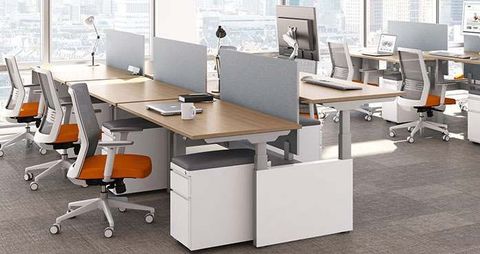
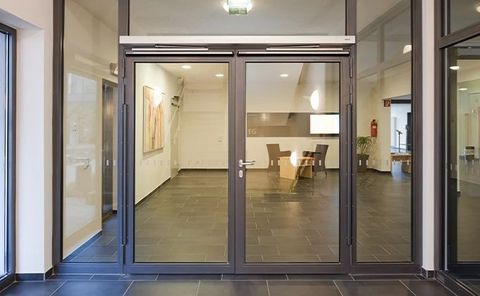
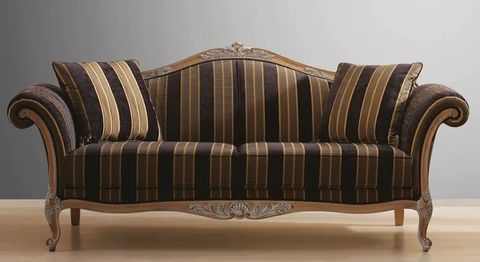
Early office environments relied on rigid desks and fixed seating, designed mainly for paperwork and record-keeping. As work became more collaborative and technology-driven, furniture design adapted. Today, office furniture supports computer-based work, teamwork, movement, and flexibility. The topic exists because workplaces require physical systems that balance functionality, human comfort, and space optimization.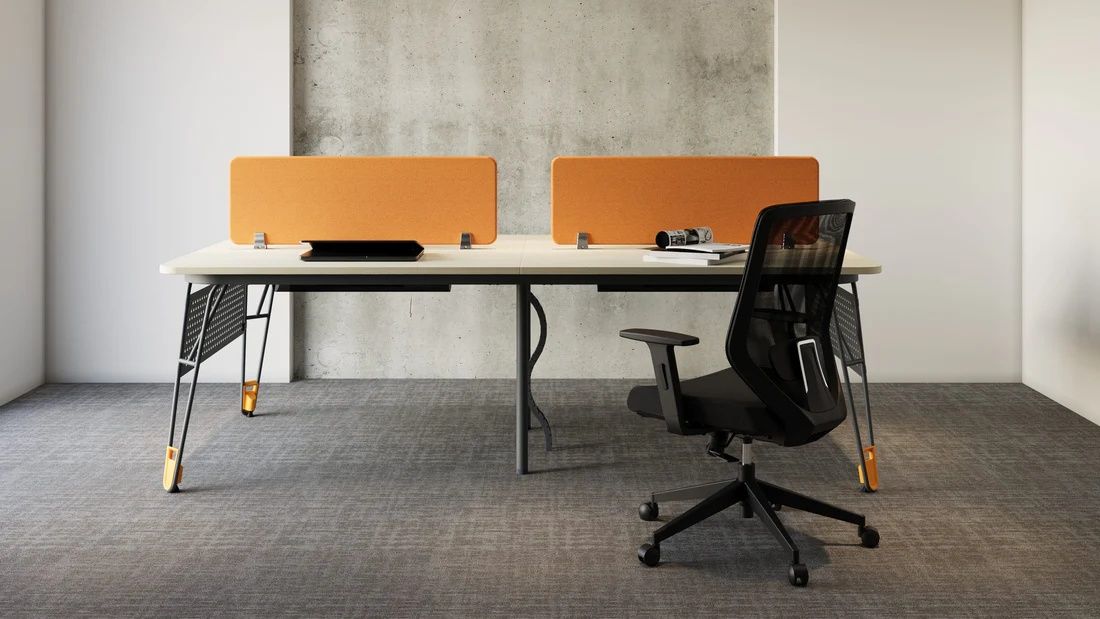
Why Office Furniture Matters Today
Office furniture matters because it directly influences how people work, move, and interact within professional spaces. Employees, managers, facility planners, and organizations are all affected by furniture choices and layouts.
Key reasons it remains important include:
-
Supporting posture and reducing physical strain during long working hours
-
Organizing workstations to improve focus and workflow
-
Adapting spaces for meetings, collaboration, and individual tasks
-
Making efficient use of limited floor area in urban offices
-
Accommodating technology such as computers, monitors, and accessories
-
Supporting inclusive design for different body types and mobility needs
Poorly planned furniture arrangements can lead to discomfort, reduced concentration, and inefficient use of space. Well-designed office furniture helps address these challenges by aligning physical layout with how work is actually performed.
Understanding Common Types of Office Furniture
Office furniture is not a single category but a collection of functional elements designed for different purposes. Common categories include:
-
Office desks and workstations for individual tasks and computer use
-
Ergonomic office chairs designed to support posture and movement
-
Modular office furniture systems that can be reconfigured
-
Storage units such as cabinets, pedestals, and shelving
-
Conference and meeting furniture for group discussions
-
Reception and waiting-area furniture for visitor spaces
Each category supports a specific activity, and effective offices usually combine several types in a balanced layout.
Recent Updates and Trends in Office Furniture
The past year has shown noticeable shifts in how office furniture is designed and used, influenced by hybrid work models and employee well-being priorities.
Key developments observed during 2024–2025 include:
-
Increased focus on ergonomic office furniture to support long screen-time usage
-
Growing use of height-adjustable desks to encourage movement
-
Expansion of modular office furniture for flexible layouts
-
Use of sustainable materials such as engineered wood and recycled metals
-
Greater attention to acoustic panels and privacy furniture in open offices
-
Integration of cable management systems for digital work environments
Organizations are also rethinking traditional layouts, moving away from dense seating toward adaptable work zones. Furniture now supports collaboration, quiet focus, and short meetings within the same floor plan.
Table: Traditional vs Modern Office Furniture Approaches
| Aspect | Traditional Setup | Modern Setup |
|---|---|---|
| Layout | Fixed and linear | Flexible and modular |
| Seating | Static chairs | Ergonomic, adjustable chairs |
| Desk Design | Uniform desks | Adjustable and task-specific |
| Space Use | High density | Activity-based zones |
| Technology Support | Minimal integration | Built-in cable and device support |
Laws, Policies, and Regulatory Considerations
Office furniture in India is influenced by workplace safety standards, building regulations, and ergonomic guidelines. While there is no single law dedicated only to office furniture, several frameworks affect how furniture is selected and arranged.
Relevant considerations include:
-
Occupational safety principles under labor and workplace welfare regulations
-
Ergonomic recommendations referenced by health and safety authorities
-
Building codes that influence space planning and aisle clearance
-
Fire safety norms affecting furniture placement and material selection
-
Accessibility guidelines that encourage inclusive design for all users
Government initiatives promoting healthier workplaces and employee well-being indirectly encourage better furniture planning. Organizations increasingly align furniture layouts with these guidelines to reduce risk and support long-term health.
Tools and Resources for Office Furniture Planning
Planning and managing office furniture is supported by various practical tools and informational resources. These help organizations and individuals make informed layout and design decisions.
Helpful resources include:
-
Space-planning software for workstation layout visualization
-
Ergonomic assessment checklists for seating and desk height
-
Office layout templates for small, medium, and large floor plans
-
Furniture dimension calculators for clearance and movement zones
-
Workplace wellness guidelines published by professional bodies
-
Digital catalogs and specification sheets for furniture components
These tools assist in aligning furniture selection with space availability, user needs, and compliance considerations.
Practical Insights and Information for Effective Use
Understanding office furniture goes beyond identifying items; it involves how they are used together in daily operations. Some useful insights include:
-
Adjustable furniture supports a wider range of users than fixed designs
-
Clear pathways improve movement and emergency accessibility
-
Proper monitor and desk height alignment reduces neck and wrist strain
-
Storage placed within arm’s reach minimizes unnecessary movement
-
Modular systems allow reconfiguration as teams change
-
Balanced lighting and furniture placement improve visual comfort
Office furniture works best when treated as part of a system rather than isolated pieces.
Table: Key Furniture Elements and Their Role
| Furniture Element | Primary Purpose | Workplace Impact |
|---|---|---|
| Workstations | Individual task support | Improves focus and organization |
| Ergonomic Chairs | Postural support | Reduces fatigue and discomfort |
| Storage Units | Document organization | Minimizes clutter |
| Meeting Tables | Group collaboration | Encourages discussion |
| Partitions | Space definition | Enhances privacy and acoustics |
FAQs
What is office furniture?
Office furniture includes desks, chairs, storage units, and related items designed to support professional work activities in offices.
Why is ergonomic office furniture important?
It supports proper posture, reduces physical strain, and helps maintain comfort during extended working hours.
How does modular office furniture help workplaces?
Modular systems allow layouts to be adjusted easily as teams grow or work patterns change.
Are there guidelines for office furniture setup in India?
Yes. While indirect, workplace safety, ergonomic recommendations, and building codes influence furniture planning and arrangement.
How often should office furniture layouts be reviewed?
Layouts are commonly reviewed when teams expand, technology changes, or work styles shift, such as moving to hybrid models.
Conclusion
Office furniture plays a foundational role in shaping how work environments function. From individual desks to collaborative layouts, furniture influences comfort, productivity, and efficient use of space. As work patterns evolve, office furniture continues to adapt through ergonomic design, modular systems, and thoughtful space planning.
Understanding the context, importance, trends, and regulatory considerations helps organizations and individuals make informed decisions. With the right tools, resources, and practical insights, office furniture can support healthier work habits and adaptable workplaces without complexity.
In essence, office furniture is not just about filling space; it is about enabling people to work effectively within it.