Industrial facilities such as manufacturing plants, warehouses, chemical units, power plants, and oil refineries rely on systematic fire protection planning to operate safely. Without a structured approach, even minor equipment failure or electrical malfunction can spread rapidly and disrupt production, infrastructure, and public safety. That is why fire protection systems play a foundational role in risk management, workplace safety, and compliance with national and international standards.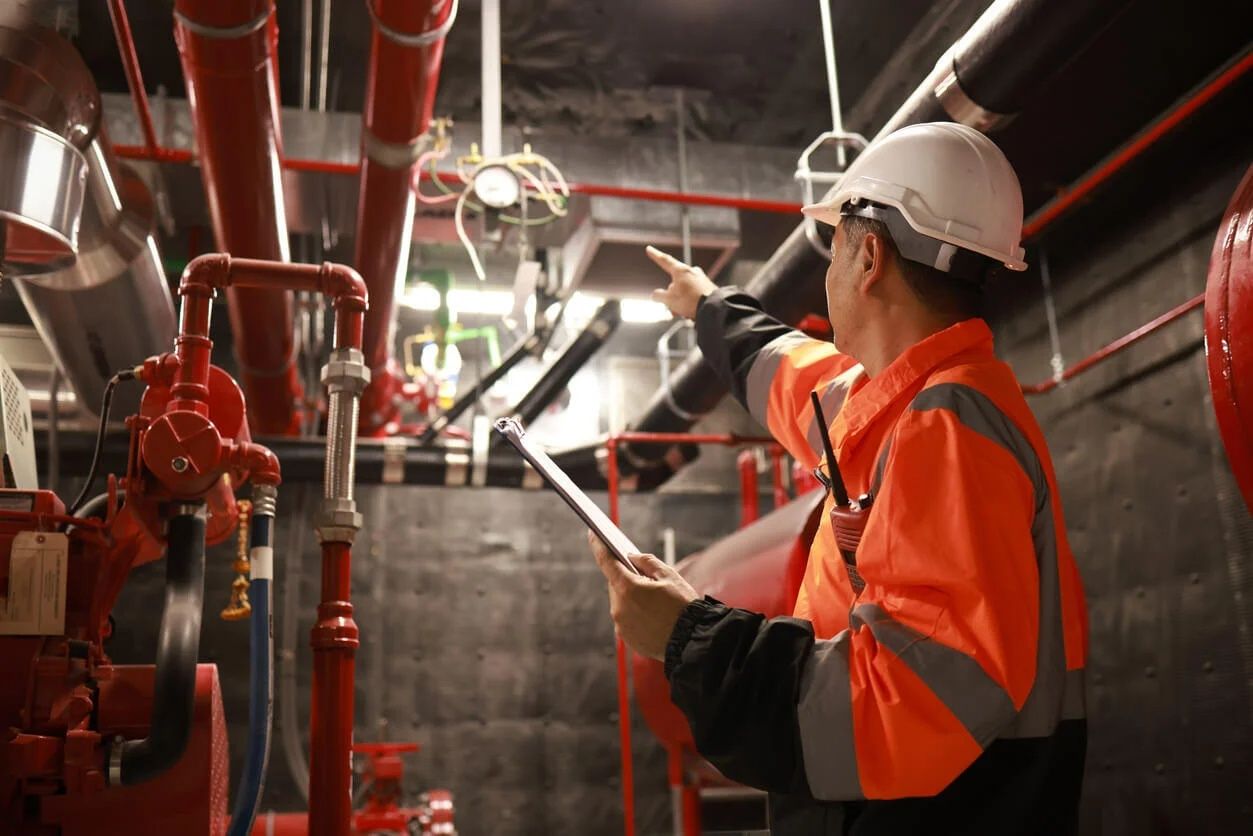
Importance of Industrial Fire Protection Systems
Industrial fire protection is crucial because it helps safeguard people, assets, and processes. A single fire accident can lead to long operational downtime and large-scale loss of equipment or raw material. Skilled workers operate in these environments daily, and their safety depends on the reliability of detection alarms, suppression systems, and evacuation planning.
Modern industries handle chemicals, fuels, high-voltage electricity, and heavy equipment, which means fire can spread more rapidly than in a standard commercial space. Fire protection systems reduce the likelihood of escalation through continuous monitoring, early intervention, and damage control.
Industrial fire protection matters for
-
Worker safety and hazard prevention
-
Minimizing downtime caused by fire incidents
-
Maintaining infrastructure stability and plant continuity
-
Compliance with mandatory safety regulations and audits
-
Reducing risk associated with flammable substances and electrical loads
Facilities in energy, petrochemicals, pharmaceuticals, and metallurgy benefit greatly from layered protection strategies. Fire sprinklers, suppression agents, gas-based systems, detection sensors, heat monitoring, and emergency communication networks work together to create a secure environment and ensure faster response times during emergencies.
Recent Updates and Developments
In the past year, industrial fire protection has seen technological growth driven by automation and safety modernization. Many industries are shifting toward intelligent fire detection systems integrated with cloud monitoring and analytics-based risk assessment. Thermal imaging sensors and Internet-connected alarm networks are gaining attention for their precision and round-the-clock surveillance capability.
Updates observed during 2024–2025 include
-
Increased adoption of remote monitoring dashboards for multi-unit industrial sites
-
Growth in clean agent fire suppression systems to protect machinery and electrical units
-
Higher demand for thermal and infrared detection in high-heat processing sectors
-
Data-driven automatic alert systems that communicate directly with safety control rooms
-
Integration of AI-assisted hazard prediction and equipment temperature tracking
These advancements support quicker response time, improved detection accuracy, and better coordination during emergencies. Fire safety training and on-site preparedness drills have also expanded as part of industrial policies emphasizing prevention as the first line of defense.
Industries are also using simulation-based training modules to strengthen workplace readiness. Structural fireproofing materials, heat-resistant insulation, and flame-retardant coatings are being developed to support machine-heavy manufacturing units. As facilities become more technology-driven, modern fire protection now extends beyond suppression to prediction and risk intelligence.
Regulations, Laws, and Policy Influence
Industrial fire protection is guided by safety regulations designed to create a standard approach for hazard prevention. Compliance ensures that industries operate responsibly and maintain safe working environments. Government guidelines specify requirements for alarms, extinguishing agents, emergency exits, water distribution networks, and periodic inspection schedules.
Regulatory standards may include
-
Mandatory installation of detection and suppression systems in high-risk environments
-
Periodic safety audits, equipment testing, and fire-readiness certification
-
Rules for storage and handling of flammable materials and pressurized gas
-
Training requirements for safety officers and emergency response teams
-
Structural guidelines for ventilation, heat-risk areas, and evacuation pathways
Safety frameworks are aligned with industrial development, electrical expansion, and chemical use. Regular reviews of safety policies encourage industries to upgrade outdated systems and adopt newer solutions. As infrastructure grows, fire safety regulation strengthens to prevent escalation of large-scale industrial incidents and improve long-term facility resilience.
Policies also support reporting transparency, enabling authorities to analyze accident patterns and reduce recurrence. Many organizations maintain internal compliance manuals that align with national safety codes and global fire risk standards for their industry type.
Tools, Resources, and Useful References
Several tools and resources help industries evaluate and improve their fire safety readiness. Digital monitoring systems, automated alarms, thermal sensors, and documentation templates assist factories in building structured safety programs.
Practical resources that support industrial fire protection include:
Fire detection tools
-
Smoke and heat sensors
-
Gas leak detection units
-
Infrared flame detection technology
Suppression systems
-
Automatic sprinkler networks
-
Foam-based extinguishing mechanisms
-
Clean agent suppression units for electrical equipment
Risk assessment tools and resources
-
Fire safety audit templates
-
Thermal load monitoring software
-
Hazard mapping and emergency planning charts
-
Employee awareness and drill training modules
These resources help assess machinery, building layout, and storage methods to identify high-risk areas. Industries often maintain internal documentation for routine checks, alarm testing, and equipment inspection. Combined use of digital monitoring and fire suppression tools leads to a structured safety framework that is scalable and adaptable to plant size.
Below is a brief reference table summarizing types of industrial fire protection components:
| Component Type | Key Function | Suitable Industrial Use |
|---|---|---|
| Detection Sensors | Early flame, smoke, and heat identification | Manufacturing, chemical plants, energy sectors |
| Sprinkler Systems | Automatic water-based suppression | Warehouses, process plants, large production zones |
| Clean Agent Systems | Non-water-based protection for sensitive machinery | Data centers, control rooms, electrical units |
| Foam Suppression | Control of fuel and chemical surface fires | Oil refineries, fuel storage, chemical reactors |
| Fireproof Structures | Heat-resistant insulation and coatings | High-temperature processing and furnace areas |
A well-designed combination of detection, suppression, structural protection, and emergency training enhances readiness and limits incident impact. Many industries perform quarterly or bi-annual inspection cycles to ensure system performance and emergency accessibility.
Frequently Asked Questions
What is the primary purpose of industrial fire protection?
Its main purpose is to detect, manage, and reduce fire-related risks to people, equipment, and operations. It supports safety, reliability, and compliance across industrial facilities.
Which type of fire protection system is best for industrial use?
The best system varies by facility. Areas with electrical equipment may rely on clean agent suppression, while manufacturing zones may use sprinklers or foam systems. A layered combination is typically recommended.
How often should industrial fire protection systems be inspected?
Most industries conduct regular inspections monthly, quarterly, or annually depending on equipment placement and regulatory guidelines. Routine audits ensure alarms and suppression units function correctly.
What are the components of a modern fire protection setup?
A complete system may include detectors, alarms, sprinklers, suppression agents, heat-monitoring tools, emergency exits, safety training plans, and documentation for routine checks.
Can industrial fire risks be reduced completely?
Fire risk can be minimized but not eliminated entirely. Prevention, early detection, structured evacuation, and ongoing system performance checks significantly reduce impact levels.
Conclusion
Industrial fire protection systems play a critical role in maintaining safety and process continuity across large-scale operations. By integrating prevention, detection, and suppression technologies, industries are better equipped to respond to hazards and safeguard workers and infrastructure. Recent advancements in thermal sensing, remote monitoring, and automation have improved reliability and early alert accuracy while supporting proactive risk management.
Regulatory standards further reinforce structured safety planning, ensuring industries maintain responsible and secure operating conditions. With continuous upgrades, risk assessment tools, layered protection, and emergency readiness, fire protection becomes a long-term investment in industrial stability and workforce well-being.