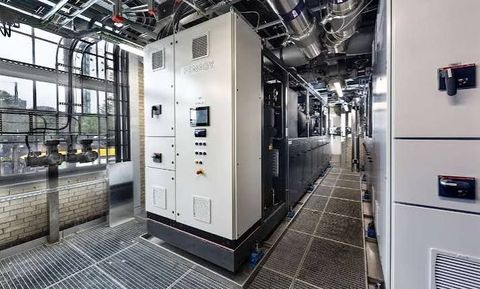
Gears are found in everyday objects such as vehicles, household appliances, industrial equipment, and even wind turbines. Gear manufacturing machines play a central role in shaping these components with accuracy, ensuring they function smoothly and reliably. Common types of gear manufacturing machines include gear hobbing machines, gear shaping machines, gear grinding machines, and gear milling machines.
Each type of machine is designed to create specific gear forms and sizes. The choice of machine depends on factors such as gear complexity, material, and intended use. Understanding how these machines work helps readers gain better insights into modern manufacturing processes.
Importance
Gear manufacturing machines are essential because they enable the production of precise mechanical components used in many industries. Without accurate gears, machines may not function efficiently, leading to performance issues or increased wear and tear.
These machines impact several areas of daily life. In transportation, gears ensure smooth power transmission in cars, trains, and bicycles. In energy systems, gears are used in turbines and generators to convert motion into usable energy. In manufacturing, they support automated systems that produce goods at scale.
Some key reasons why gear manufacturing machines matter include:
- Consistency in production: Machines ensure that each gear meets the same specifications, reducing variability.
- Efficiency in operations: Automated processes reduce manual effort and improve output speed.
- Precision and accuracy: High-quality gears contribute to smoother mechanical performance.
- Support for innovation: Advanced machines enable the creation of complex gear designs used in robotics and aerospace.
As industries continue to grow, the demand for reliable gear production methods remains significant.
Recent Updates
In recent years, gear manufacturing machines have seen steady advancements driven by automation and digital technologies. Manufacturers are increasingly integrating computer numerical control (CNC) systems into machines, allowing for higher precision and reduced human intervention.
Another trend is the use of smart manufacturing practices. Machines are now often connected through digital networks, enabling real-time monitoring and predictive maintenance. This helps reduce unexpected downtime and improves operational efficiency.
Additive manufacturing, also known as 3D printing, has also influenced the gear production landscape. While traditional machines remain dominant for large-scale production, additive techniques are being explored for prototyping and specialized components.
Energy efficiency has also become an important focus. Newer gear manufacturing machines are designed to consume less energy and produce less waste, aligning with broader environmental goals.
Laws or Policies
Gear manufacturing machines are subject to various industrial standards and regulations, particularly in countries with strong manufacturing sectors. These rules aim to ensure safety, quality, and environmental responsibility.
In many regions, machinery must comply with workplace safety standards that regulate how equipment is designed and operated. These include guidelines for operator protection, emergency controls, and maintenance procedures.
Environmental policies also influence gear manufacturing. Regulations may address:
- Emissions produced during manufacturing processes
- Waste management and recycling practices
- Energy consumption limits for industrial equipment
In India, initiatives related to industrial development and manufacturing modernization encourage the adoption of advanced machinery. Programs that support domestic production and technological upgrades indirectly shape how gear manufacturing machines are used across industries.
Compliance with standards such as ISO certifications is also common. These standards help ensure that gear production processes meet consistent quality benchmarks.
Tools and Resources
Several tools and resources help individuals and organizations understand and work with gear manufacturing machines more effectively. These tools range from design software to technical references.
Some commonly used resources include:
- CAD software: Tools like computer-aided design platforms allow engineers to create detailed gear models before production.
- Simulation software: These programs help test gear performance under different conditions, reducing errors during manufacturing.
- Technical manuals: Machine-specific documentation provides guidance on operation, maintenance, and safety.
- Online calculators: Gear ratio and dimension calculators assist in planning and design.
- Industry standards documents: Publications from organizations such as ISO provide guidelines for gear quality and measurement.
Below is a simple table summarizing common gear manufacturing machines and their primary functions:
| Machine Type | Primary Function | Common Application Areas |
|---|---|---|
| Gear Hobbing Machine | Cuts gear teeth using a rotating tool | Automotive, industrial gears |
| Gear Shaping Machine | Produces internal and external gears | Machinery and equipment |
| Gear Grinding Machine | Finishes gears for high precision | Aerospace, precision tools |
| Gear Milling Machine | Removes material to form gear shapes | General manufacturing |
| Gear Broaching Machine | Creates internal gear profiles | High-volume production systems |
These tools and machines work together to ensure that gear production remains accurate and efficient.
FAQs
What are gear manufacturing machines used for?
Gear manufacturing machines are used to produce gears that transfer motion and power in mechanical systems. They shape and finish gears to meet specific design requirements.
How do gear manufacturing machines improve accuracy?
These machines use controlled cutting and finishing processes, often guided by CNC systems. This ensures that each gear is produced with consistent dimensions and minimal error.
What types of gear manufacturing machines are commonly used?
Common types include gear hobbing machines, gear shaping machines, gear grinding machines, and gear milling machines. Each type is suited for different gear designs and production needs.
Are gear manufacturing machines used in everyday industries?
Yes, they are widely used in industries such as automotive, energy, construction, and consumer goods. Many everyday devices rely on gears produced by these machines.
Can gear manufacturing machines handle complex designs?
Modern machines equipped with digital controls and advanced tooling can produce complex gear shapes, including those used in robotics and aerospace systems.
Conclusion
Gear manufacturing machines are a fundamental part of modern industry, enabling the production of precise and reliable mechanical components. Their evolution from manual tools to advanced automated systems reflects broader technological progress. These machines support a wide range of industries and everyday applications, making them an essential element of manufacturing. Understanding their functions and developments provides valuable insight into how modern machinery operates.