Automatic Cable Cutting and Stripping Machines: A Guide to Precision and Automation
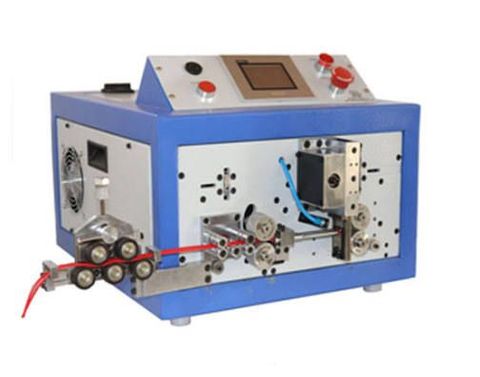
Automatic cable cutting and stripping machines (also called cut-and-strip or wire processing machines) prepare electrical wires and cables by measuring precise lengths, cutting them, and removing insulation from one or both ends.
These systems are essential in wire harness manufacturing for automotive, electronics, appliances, aerospace, industrial control panels, and telecommunications. They replace slow, inconsistent manual work with high-speed, repeatable precision that protects conductors from nicks and ensures reliable terminations.
How Automatic Machines Work
A typical fully automatic machine processes wire from a continuous spool or reel:
- Feeding and measuring — Belts, rollers, or caterpillar drives advance the wire. Encoders or servo systems measure length with high accuracy (often ±0.1–0.5 mm or better).
- Cutting — Sharp blades (V-blade, rotary, or radius) sever the cable cleanly.
- Stripping — Separate or dual-purpose blades score the insulation to a controlled depth without damaging the conductor strands, then pull off the insulation slug. Machines can perform full strips, partial strips, multi-layer stripping (for coaxial or multi-conductor cables), or window strips.
- Ejection and collection — Finished pieces are deposited into bins or conveyed for further processing (crimping, marking, etc.).
Servo motors control nearly all movements on modern machines, enabling precise speed, force, and positioning. Touchscreen HMIs store recipes for different wire types, lengths, and strip dimensions, allowing rapid changeovers.
Types of Machines by Automation Level
- Manual / handheld automatic strippers — Self-adjusting pliers-style tools for low-volume or field use. The jaws adapt to wire diameter; the user still feeds and pulls.
- Semi-automatic benchtop machines — Operator loads or triggers each cycle. The machine measures, cuts, and strips. Ideal for medium volumes and frequent changeovers.
- Fully automatic cut-and-strip machines — Continuous processing from spool with minimal operator intervention. Typical throughput: 1,500–8,000+ pieces per hour depending on length and complexity.
- Integrated cut-strip-crimp (CSC) systems — Combine cutting, stripping, terminal crimping, sealing, and sometimes marking or testing in one cell for complete lead preparation.
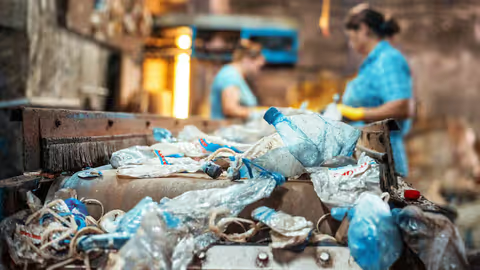
- Specialized machines — For coaxial cables (multi-layer stripping), flat/ribbon cables, large power cables, laser stripping (non-contact for delicate or high-precision work), or heavy-duty recycling of scrap cable.
Key Technical Features for Precision
- Wire range — Common coverage from ~0.03–10 mm² (or finer/coarser depending on model); some heavy-duty units handle large power cables up to tens of mm in diameter.
- Cut and strip length accuracy — High-end machines achieve ±0.1 mm or better; consistent strip quality is critical to avoid conductor damage.
- Blade systems — Hardened steel, carbide, or specialized profiles. Adjustable gaps, quick-change tooling, and automatic conductor detection (sensors that prevent nicking) improve reliability.
- Drive technology — Servo-driven belts or rollers for scratch-free feeding and precise control.
- Programming and controls — Color touchscreens with recipe storage (dozens to hundreds of programs), batch counting, production data, and optional networking for Industry 4.0 integration.
- Additional capabilities — Multi-step stripping, twisting, tinning, marking, quality inspection (vision or force monitoring), and reject handling.
Benefits of Automation
- Dramatically higher throughput and lower labor cost per piece.
- Superior consistency and reduced scrap compared with manual methods.
- Lower risk of conductor damage (nicks or missing strands) that can cause field failures.
- Better ergonomics and reduced repetitive-strain injuries.
- Traceability and process data for quality systems.
- Fast changeovers via stored recipes when processing multiple wire types.
Leading Manufacturers
Global leaders include Komax and Schleuniger (high-end precision systems, often integrated), Artos Engineering, Metzner, TE Connectivity, and specialists such as Eraser Company. Chinese manufacturers (e.g., Kingsing, EASTONTECH, and others) supply competitive mid-range and high-volume machines widely used in Asia and emerging markets. Selection depends on required volume, wire range, precision needs, and integration requirements.
Selection Considerations
Match the machine to your production profile:
- Daily volume and mix of wire types/lengths.
- Wire cross-sections, insulation materials (PVC, XLPE, silicone, Teflon, etc.), and any multi-layer or coaxial requirements.
- Required strip quality and tolerances.
- Need for downstream processes (crimping, marking).
- Floor space, power supply, and operator skill level.
- Total cost of ownership (blades, maintenance, energy, changeover time).
For low-to-medium volumes, a quality semi-automatic benchtop unit often provides the best return. High-volume harness production typically justifies fully automatic or integrated CSC systems.
Applications
These machines are foundational in:
- Automotive and EV wire harnesses
- Industrial control panels and switchgear
- Consumer electronics and appliances
- Aerospace and medical device cabling
- Telecommunications and data cables
- Power cable preparation and scrap recycling
Automatic cable cutting and stripping machines deliver the precision and repeatability required for modern electrical assemblies. By automating measurement, cutting, and insulation removal, they improve quality, productivity, and ergonomics while supporting scalable manufacturing of reliable wire and cable products. Choosing the right automation level and features aligned with production needs ensures long-term efficiency and consistent results.

Related Post...
FPGA Accelerator Cards: A Guide to Hardware Acceleration and AI Computing
Updated: October 22, 2026
Read More
Laboratory Fume Hoods: A Guide To Chemical Safety And Airflow Control
Updated: October 21, 2026
Read More