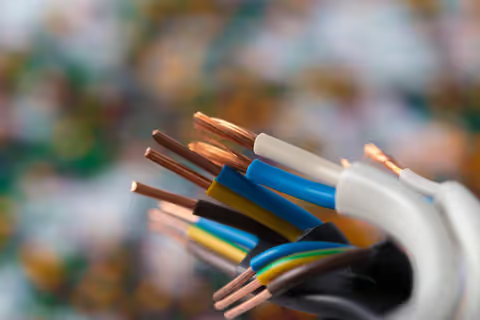
Understanding Galvanized Armour Guide Solutions and Cable Durability Enhancement
In the realm of industrial and commercial applications, cable durability is a critical factor that influences operational efficiency and safety. The application of galvanized armour to cables is a solution that is often utilized to enhance their durability. In this comprehensive article, we will explore what galvanized armour is, how it is applied to cables, and the advantages it may confer on the durability of these essential components.
Galvanized armour refers to a zinc coating applied over metallic wires or cables, which is used primarily to provide protection against various environmental factors. The process involves a specific method known as galvanization, wherein the cable is coated with zinc to create a robust protective layer. This zinc layer acts as a barrier against rust and corrosion, which is particularly beneficial in combating the detrimental effects of moisture and corrosion-prone environments. Essentially, this process plays a key role in extending the life span of cables used in these challenging settings. The process of galvanization can be accomplished through several methods, including hot-dip galvanizing and electro-galvanizing. Hot-dip galvanizing involves submerging the cable into molten zinc, which allows the zinc to bond firmly with the base metal. This method is renowned for forming a thick, durable coating, making it suitable for cables that are subjected to high levels of mechanical stress. On the other hand, electro-galvanizing involves the application of zinc through an electrolytic process, which generally results in a thinner layer of zinc but can be more precise and uniform in thickness. Each of these methods has its unique benefits depending on the specific applications and environmental conditions the cables are expected to face. One of the primary functions of the galvanized coating is to shield the cable from physical damage. Cables with such a coating are often more resistant to abrasion and wear during handling and installation. This physical protection is crucial in environments where cables are exposed to repeated movement or contact with abrasive surfaces. By having a resilient outer layer that bears the brunt of mechanical impacts, galvanized cables are less likely to suffer from surface abrasions, thereby maintaining their structural integrity for longer periods. In addition to mechanical protection, the zinc coating provides excellent resistance to chemical aggressors like chlorine and sulfur dioxide, which are common in industrial settings. Without such protection, cables would be more susceptible to deterioration, leading to potential failures and safety hazards. The zinc layer serves as a sacrificial barrier that corrodes first, thereby preserving the integrity of the underlying metal. This sacrificial protection is a vital aspect of why galvanized armour is considered an effective solution for enhancing the durability of cables exposed to corrosive environments. Furthermore, the thermal properties of galvanized armour play a role in preserving cable durability. Zinc has a relatively low melting point, which can offer protective qualities when cables are exposed to elevated temperatures. The heat dissipation properties of the zinc coating help in reducing the thermal burden on the core components of the cable, thereby aiding in maintaining performance stability during temperature fluctuations. The economic implications of using a galvanized coating to improve cable durability cannot be overlooked. Cables that boast enhanced durability tend to require fewer replacements and involve lower maintenance costs over their lifespans. This reduction in operational costs is particularly advantageous for industries where cable integrity is critical for overall productivity, such as telecommunications, power distribution, and maritime operations. Moreover, as maintenance cycles are extended, the downtime associated with cable replacement is minimized, improving overall operational efficiency. Moreover, with the advances in technology and materials science, the potential applications of galvanized armour are expanding. New amalgamations of zinc with other metals or polymers are being researched to create coatings that deliver even greater levels of protection. Researchers are continually exploring methods to optimize the properties of the zinc coatings so they can withstand even harsher conditions, broadening their applicability across a wider range of environmental settings. As industries continue to demand greater reliability and safety from their infrastructure components, the role of solutions like galvanized armour in enhancing cable durability becomes more pronounced. It is among the suite of innovations that enable various sectors to meet the growing technical and environmental challenges. Importantly, the specific choice of galvanizing method or additional treatments to the galvanized coating will vary based on factors like expected service conditions, budget constraints, and regulatory requirements. In conclusion, understanding the principles and benefits of galvanized armour solutions is essential for stakeholders across various industries. The application of this technology represents a significant advancement in cable management strategies, with the potential to improve both performance and safety in complex industrial processes. Through ongoing research and development, the field continues to evolve, promising even more robust solutions in the future. Therefore, the knowledge of how to wisely deploy such solutions is fundamental for businesses and facilities aiming to achieve long-term success and sustainability.

Related Post...

Why Philippines BPO Industry Growth and Digital Transformation Is Redefining Global Services
Updated: October 24, 2026
Read More
Reputation Monitoring Software: Features, Tools & Pricing Guide 2026
Updated: October 28, 2026
Read More
Understanding Galvanized Armour Guide Solutions and Cable Durability Enhancement
Updated: November 04, 2026
Read More