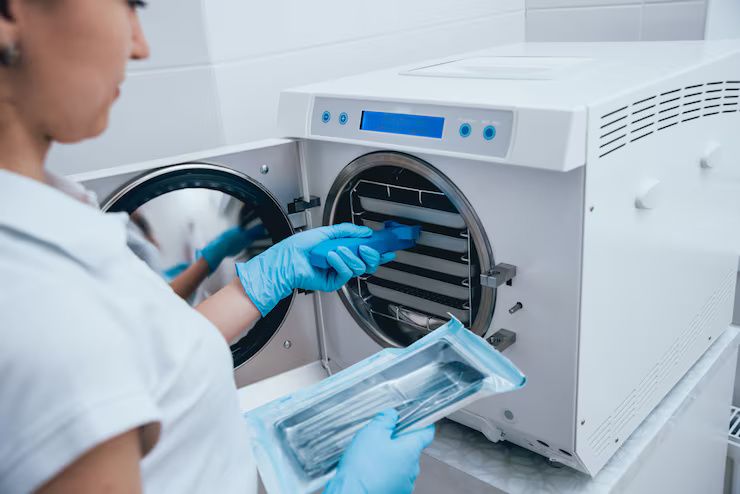
Modern autoclaves vary in size and function. Some are compact tabletop models for clinics, while others are large industrial systems capable of sterilizing batches of laboratory glassware or processing medical waste. Despite differences, all autoclaves follow the same basic principle: using pressurized steam to reach temperatures above boiling point to achieve a sterile environment.
Importance
Autoclaves matter today because they play a critical role in public health, scientific research, and industrial safety. They solve several key challenges:
-
Preventing contamination: They eliminate bacteria, viruses, and spores that could compromise research or clinical environments.
-
Supporting infection control: Hospitals depend on sterilized instruments for safe medical procedures.
-
Ensuring lab accuracy: Sterile equipment prevents experimental errors and cross-contamination in scientific work.
-
Managing waste responsibly: Many facilities use autoclaves to sterilize biological waste before disposal, reducing environmental and health risks.
Those most affected include healthcare professionals, laboratory technicians, researchers, manufacturing workers, and public safety officials. In fields where sterilization standards are strict and necessary, autoclaves ensure consistency and reliability.
Recent Updates
Over the past year (2024–2025), autoclave technology has seen several innovations aimed at improving performance, safety, and sustainability:
-
Digital monitoring and automation (2024): Many new autoclaves include touchscreen controls, cycle tracking, and cloud-based data logging to support documentation in medical and laboratory settings.
-
Energy-efficient designs (2025): Updated systems now reduce water consumption and optimize steam production, addressing environmental concerns.
-
Smart cycle verification (2024): Enhancements in sensors allow autoclaves to automatically detect load size, adjust temperature, and verify sterilization efficiency.
-
Advanced safety interlocks (2025): New designs prevent the chamber from opening while pressure remains high, reducing the risk of user injuries.
-
Integration with laboratory information systems (2025): Facilities can now link sterilization records to digital lab management platforms for auditing and compliance.
These updates reflect growing global emphasis on digital transformation, workplace safety, and sustainable laboratory operations.
Laws or Policies
Autoclave use is highly regulated to ensure safety, proper sterilization, and environmental responsibility. Regulations vary by country, but common guidelines include:
-
Occupational Safety and Health Standards: Organizations such as OSHA (United States) and HSE (United Kingdom) outline safe operating practices to protect workers from burns, pressure hazards, and steam exposure.
-
Medical Device Sterilization Standards: ISO 17665 provides global guidelines for moist heat sterilization, including autoclave validation and routine monitoring.
-
Waste Management Regulations: Many governments require biological waste to be sterilized before disposal, often mandating periodic autoclave performance testing.
-
Pressure Vessel Laws: Since autoclaves operate under pressure, they may fall under boiler and pressure vessel regulations that require inspections and certifications.
-
Healthcare Sterilization Policies: Hospitals must document sterilization cycles and validate autoclave performance according to national healthcare standards.
These policies ensure that autoclaves operate safely and consistently across medical, industrial, and research environments.
Tools and Resources
Various tools and resources help users better understand, operate, and validate autoclaves:
-
Sterilization cycle calculators: Online tools that help determine ideal temperature, exposure time, and pressure for different materials.
-
Biological indicator logs: Digital apps for tracking test results that confirm whether an autoclave effectively eliminates microbial life.
-
Maintenance and validation templates: Checklists used in laboratories and hospitals to document routine inspections and cycle verification.
-
Safety training platforms: Many educational institutions offer online modules on pressure safety, steam hazards, and equipment handling.
-
Environmental monitoring systems: Sensors and logging tools used to track autoclave emissions, steam use, and operating efficiency.
These resources support safer and more reliable autoclave operation.
FAQs
What does an autoclave do?
An autoclave uses high-pressure steam to sterilize instruments, equipment, and materials by eliminating bacteria, viruses, and spores.
Why is steam effective for sterilization?
Steam transfers heat more efficiently than dry air. Under pressure, it reaches temperatures high enough to destroy microorganisms within a controlled cycle.
How often should an autoclave be tested?
Most facilities perform routine biological indicator tests weekly or monthly, depending on regulations. Daily checks may include temperature and pressure verification.
Can all materials be placed in an autoclave?
No. Some plastics, chemicals, and electronic components cannot withstand high heat or pressure. Users must follow manufacturer guidelines to avoid damage.
What are common autoclave safety risks?
Potential risks include burns from hot surfaces, steam exposure, and pressure-related accidents. Following safety interlocks and proper procedures reduces these hazards.
Conclusion
Autoclaves are essential tools in healthcare, laboratories, and industrial environments. Their ability to provide consistent, high-level sterilization makes them indispensable for ensuring safety, preventing contamination, and supporting reliable research outcomes. With recent innovations focused on automation, sustainability, and improved safety features, autoclaves continue to evolve alongside global scientific and medical needs.
Regulations and international standards reinforce safe operating practices, while modern tools and resources help users improve maintenance, validation, and documentation. Understanding how autoclaves work and staying informed about current developments allows professionals to operate them more confidently and effectively.