Essential Tips for Understanding Smart Transformer Monitoring Service
Smart transformer monitoring is the use of digital technologies, sensors, communication networks, and analytical software to observe the operating condition of electrical transformers. It helps utilities, industrial facilities, power distribution companies, and infrastructure operators understand transformer performance through continuous or periodic data collection.
Traditional transformer inspections often depend on scheduled maintenance visits and manual measurements. Although these methods remain important, they may not identify developing problems between inspections. Smart monitoring introduces a more data-driven approach by collecting operating information and identifying unusual changes.
A smart transformer monitoring system may measure:
Oil temperature and winding temperature.
Voltage, current, and electrical load.
Oil levels and pressure conditions.
Dissolved gases in transformer oil.
Moisture levels and insulation condition.
Cooling system performance.
Partial discharge activity.
Operating hours and equipment condition.
The collected information is transmitted to monitoring platforms, where operators can review measurements, examine historical trends, and investigate possible equipment abnormalities.
How Does the Technology Work?
A typical smart transformer monitoring architecture contains several connected components.
Sensors: Measure electrical, thermal, mechanical, and chemical parameters.
Data acquisition units: Collect measurements from different sensors.
Communication systems: Transfer information through fiber-optic networks, cellular connections, Ethernet, or other industrial communication technologies.
Monitoring software: Displays operating conditions through dashboards and reports.
Analytics platforms: Examine patterns and identify unusual operating conditions.
Alerts and notifications: Inform maintenance teams when measurements cross configured thresholds.
The combination of these components creates a digital view of transformer operation without requiring continuous physical inspection.
Main Types of Transformer Monitoring
Different monitoring technologies examine specific parts of transformer operation.
Monitoring technology | Main purpose |
|---|---|
Online DGA monitoring | Identifies changes in dissolved gases in transformer oil |
Thermal monitoring | Tracks oil and winding temperature |
Partial discharge monitoring | Detects insulation-related electrical activity |
Moisture monitoring | Measures water content in insulating oil |
Load monitoring | Tracks electrical demand and operating capacity |
Bushing monitoring | Examines insulation condition in transformer bushings |
Vibration monitoring | Identifies unusual mechanical activity |
Why Smart Transformer Monitoring Matters
Supporting Electrical Grid Reliability
Transformers are essential components of electricity transmission and distribution networks. They increase or decrease voltage levels so electricity can travel efficiently between power stations, substations, industries, and consumers.
A transformer failure can interrupt electricity supply, affect manufacturing operations, and create additional pressure on connected grid equipment.
Smart monitoring helps operators identify developing abnormalities before they become major equipment problems. It also provides information that can support maintenance planning and operational decisions.
Predictive Maintenance and Equipment Management
Predictive maintenance uses operating data and diagnostic techniques to estimate when equipment may require attention.
For transformer operators, this approach can help identify:
Increasing operating temperatures.
Unusual dissolved gas concentrations.
Deteriorating insulation conditions.
Abnormal electrical loading.
Cooling system irregularities.
Changes in transformer performance over time.
Unlike maintenance based entirely on fixed schedules, predictive maintenance considers actual equipment conditions. However, monitoring results should be evaluated by qualified electrical engineers before maintenance decisions are made.
Industries That Use Smart Transformer Monitoring
Smart transformer monitoring has applications across several industries.
Electricity utilities: Monitor distribution transformers, substations, and high-voltage power transformers.
Manufacturing facilities: Observe transformers supplying industrial machinery, production lines, and automated equipment.
Renewable energy projects: Monitor transformers connected to solar power plants, wind farms, and battery energy storage systems.
Data centers: Track transformers supporting critical electrical infrastructure and continuous computing operations.
Transportation infrastructure: Monitor electrical equipment supporting railway networks, metro systems, and other electrified transport facilities.
Operational Benefits
The technology can contribute to several areas of electrical asset management.
Operational area | Potential benefit |
|---|---|
Fault detection | Earlier identification of abnormal conditions |
Maintenance planning | Better prioritization of inspections |
Asset management | Improved visibility into equipment condition |
Grid operations | More informed operating decisions |
Energy infrastructure | Better understanding of transformer loading |
Equipment lifecycle | Improved documentation of operating history |
These benefits depend on sensor accuracy, system configuration, data quality, and appropriate engineering interpretation.
Recent Developments and Industry Trends
Digital Monitoring and Artificial Intelligence
During 2025 and 2026, transformer monitoring has continued moving toward integrated digital diagnostics. Instead of examining individual measurements separately, modern platforms increasingly combine temperature, dissolved gas analysis, electrical signals, and historical operating information.
Artificial intelligence and machine learning can help identify patterns that may be difficult to recognize through manual data review. These technologies can support anomaly detection, equipment health assessment, and predictive maintenance.
However, AI-generated findings should be treated as decision-support information rather than automatic confirmation of transformer faults.
IEEE Transformer Monitoring Guidance Updated in 2025
On August 27, 2025, IEEE published IEEE C57.143-2024, a revised guide covering monitoring equipment for liquid-immersed transformers and their components.
The publication discusses monitored parameters, sensor applications, risk-benefit assessment, and monitoring system applications. It provides technical guidance for engineers and organizations planning online transformer monitoring installations.
Artificial Intelligence Applications in India
POWERGRID has highlighted developments in transformer and reactor health assessment, including methanol analysis as an indicator of insulation paper degradation.
Its technology development information also identifies AI-driven Sweep Frequency Response Analysis (SFRA) and transformer asset lifecycle management among its recognized innovation initiatives in the 2025 Indian Smart Grid Forum Innovation Awards.
Integrated Substation Monitoring
Another developing trend is the integration of different diagnostic technologies into unified monitoring platforms.
For example, an August 21, 2026 announcement by HERTZINNO described a platform combining dissolved gas analysis, acoustic monitoring, UHF partial discharge detection, and AI-assisted diagnostics.
Such announcements illustrate the direction of technology development, although individual platform capabilities and performance require independent technical evaluation.
Important Technology Trends
Technology trend | Application |
|---|---|
AI-based diagnostics | Identifying unusual operating patterns |
Industrial IoT sensors | Continuous equipment data collection |
Cloud monitoring | Remote access to transformer information |
Digital asset records | Maintaining historical equipment information |
Edge computing | Processing measurements closer to equipment |
Cybersecurity integration | Protecting connected electrical infrastructure |
Laws, Regulations and Industry Standards
Electrical Safety Regulations in India
In India, transformer installation, operation, protection, and maintenance are influenced by regulations issued by the Central Electricity Authority (CEA).
The CEA (Measures Relating to Safety and Electric Supply) Regulations, 2023 establish electrical safety and protection requirements. These include specific protective arrangements for transformers.
For example:
Transformers rated at 1,000 kVA and above require Buchholz relays, pressure relief devices, and winding and oil temperature protection with alarm and trip contacts.
Transformers with a capacity of 10 MVA and above require differential protection against incipient faults.
These requirements concern electrical protection and safety. They should not be interpreted as a universal requirement to install a complete digital monitoring platform on every transformer.
Condition-Based Monitoring Guidelines
The CEA's technical guidance identifies several diagnostic methods for transformer condition assessment, including:
Dissolved Gas Analysis (DGA).
Frequency Response Analysis.
Insulation resistance testing.
Capacitance and tan-delta measurements.
Thermal scanning.
Partial discharge measurements.
These techniques help engineers evaluate insulation condition, identify developing abnormalities, and assess equipment health.
International Technical Standards
Organizations operating across international markets may also refer to standards developed by the International Electrotechnical Commission (IEC) and Institute of Electrical and Electronics Engineers (IEEE).
IEC 60599:2022: Provides guidance on interpreting dissolved and free gases in mineral oil-filled electrical equipment. It helps engineers investigate possible internal transformer faults through oil analysis.
IEEE C57.143-2024: Provides guidance on selecting and applying monitoring equipment to liquid-immersed transformers and their components.
IEEE C57.167-2023: Addresses monitoring of distribution transformers, including monitoring parameters, installation considerations, communication systems, and alerts.
Applicable requirements vary according to equipment type, voltage level, installation location, and national regulations. Organizations should consult the latest applicable standards and regulatory amendments.
Tools and Resources for Transformer Monitoring
Transformer Diagnostic Tools
Electrical engineers use specialized instruments and software to examine transformer performance and identify potential problems.
Important tools include:
Dissolved Gas Analysis (DGA) equipment: Examines gases present in transformer insulating oil.
Infrared thermal cameras: Identify temperature variations in transformer components.
Partial discharge detectors: Examine electrical discharge activity associated with insulation defects.
Power quality analyzers: Measure voltage fluctuations, harmonics, and other electrical parameters.
Insulation testing instruments: Evaluate electrical insulation characteristics.
Sweep Frequency Response Analysis equipment: Helps identify mechanical changes within transformer windings and structures.
Digital Monitoring Platforms
Digital platforms collect and organize transformer operating information.
Common platform categories include:
Platform or technology | Primary application |
|---|---|
SCADA systems | Supervisory control and equipment monitoring |
IoT monitoring platforms | Collecting real-time sensor measurements |
Cloud-based dashboards | Remote equipment visibility |
Asset management software | Tracking equipment history and condition |
Predictive analytics software | Identifying potential equipment abnormalities |
Digital twin platforms | Simulating transformer operating conditions |
Helpful Technical Resources
The following organizations provide technical information relevant to transformer monitoring and electrical infrastructure:
International Electrotechnical Commission (IEC): Publishes international electrical engineering standards.
Institute of Electrical and Electronics Engineers (IEEE): Develops technical guidance for transformer monitoring and power systems.
Central Electricity Authority (CEA): Provides electricity regulations, technical guidelines, and safety requirements in India.
POWERGRID: Shares information about transmission infrastructure, transformer technologies, and asset management.
Indian Smart Grid Forum (ISGF): Provides information about smart grid technologies and digital electricity infrastructure.
These resources can help engineers, researchers, utilities, and infrastructure planners understand current developments in transformer diagnostics.
Frequently Asked Questions
1. What Is the Main Purpose of Smart Transformer Monitoring?
Its main purpose is to observe transformer operating conditions and identify abnormal changes. It helps electrical operators understand equipment health, plan inspections, and investigate potential faults before they develop into serious problems.
2. How Does Online Transformer Monitoring Work?
Online monitoring uses sensors installed on or around transformer equipment. These sensors collect information such as temperature, voltage, current, moisture, and dissolved gas concentrations. The measurements are transferred to monitoring software for analysis, visualization, and alert generation.
3. What Is the Difference Between Predictive Maintenance and Preventive Maintenance?
Preventive maintenance follows predetermined inspection or maintenance schedules. Predictive maintenance uses equipment measurements, diagnostic information, and historical operating patterns to identify when attention may be required.
Both approaches can be used together as part of an electrical asset management strategy.
4. Can Smart Monitoring Detect Transformer Insulation Problems?
Yes. Technologies such as dissolved gas analysis, moisture monitoring, partial discharge detection, and insulation diagnostics can help identify signs of insulation deterioration. However, individual measurements do not always confirm a specific fault. Further testing and engineering assessment may be necessary.
5. Is Smart Transformer Monitoring Relevant to Renewable Energy Projects?
Yes. Solar farms, wind power installations, and battery energy storage facilities use transformers to connect electrical equipment with distribution and transmission networks. Monitoring helps operators observe loading conditions, temperature changes, and equipment performance in these installations.
Conclusion
Smart transformer monitoring is becoming an important part of modern electrical infrastructure management. By combining sensors, communication technologies, digital dashboards, and predictive analytics, it provides greater visibility into transformer operating conditions.
Its applications extend across electricity distribution, industrial manufacturing, renewable energy, transportation, and data center infrastructure. Developments in artificial intelligence, Internet of Things technology, and integrated diagnostics are also expanding the capabilities of transformer monitoring systems.
Electrical safety regulations and technical standards remain essential when selecting, installing, and operating these technologies. Although digital monitoring can improve equipment visibility and support maintenance decisions, it does not replace physical inspections, established protection systems, or qualified engineering judgment.
As electricity networks become increasingly connected and complex, condition-based monitoring and digital asset management are likely to remain important areas of electrical engineering development.

Related Post...
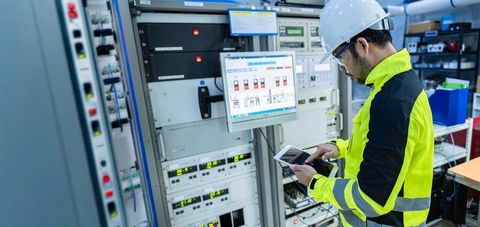
Essential Tips for Understanding Smart Transformer Monitoring Service
Updated: November 02, 2026
Read More
Explore Smart Irrigation System Setup for Gardens, Farms, and Modern Landscapes
Updated: October 29, 2026
Read More
Tips for Understanding Industrial Plant Efficiency Audits and Energy Use
Updated: October 26, 2026
Read More