Diwali LED Lighting Overview for a Festive Home Makeover
Diwali lighting can transform the atmosphere of a home, making living spaces feel warmer, more welcoming, and ready for celebrations.
LED lights offer versatile ways to decorate entrances, balconies, living rooms, and outdoor areas while creating different moods through brightness, colour, and arrangement.
As households prepare for the festival, decorative LED lighting has become a practical option for combining festive appeal with everyday convenience. String lights, curtain lights, LED diyas, strip lighting, and outdoor-rated decorative fixtures provide different ways to highlight architectural features and complement traditional decorations.
Choosing suitable lighting involves more than selecting attractive colours. Understanding light types, placement, power requirements, weather resistance, and energy consumption helps homeowners create a coordinated display that suits their space, preferences, and budget.
Choosing LED Lighting That Matches Your Festive Style
The most effective Diwali lighting schemes balance decoration with the existing design of a home. Warm white lighting creates a relaxed, traditional atmosphere, while multicolour LEDs introduce a more playful appearance suited to balconies, entrances, and celebration areas.
Consider the space before choosing the lighting style. A small apartment balcony may need only a short string of lights and a few illuminated planters, whereas a larger house may benefit from coordinated entrance, window, and garden lighting.
Colour consistency also matters. Combining warm white lights with brass diyas, flowers, and traditional decorations creates a cohesive look. Cool white or multicolour lighting can work well for contemporary interiors, particularly when used selectively rather than throughout every room.
Popular Types of Diwali LED Lights and Their Uses
Different LED lighting products serve different decorative purposes. Selecting them according to location and intended effect makes the overall display more attractive and avoids unnecessary clutter.
LED String Lights
String lights are suitable for doorways, balcony railings, windows, shelves, and indoor decorative arrangements. Their small light sources create a festive effect without requiring large fixtures or extensive installation.
When selecting string lights, check their length, spacing between LEDs, power source, and connection requirements. Battery-operated versions can work well in small decorative arrangements, while plug-in models may suit areas where reliable power access is available.
LED Curtain and Icicle Lights
Curtain lights create a cascading effect across windows, walls, and balcony openings. They are particularly useful when a broad vertical surface needs decorative coverage.
Icicle lights, which feature hanging strands of different lengths, can add detail along roof edges, covered entrances, and balcony boundaries. For outdoor use, confirm that the complete lighting set is rated for the intended exposure to rain and moisture.
LED Diyas and Decorative Lanterns
LED diyas provide the appearance of traditional lamps without an exposed flame. They can be placed on shelves, decorative trays, entrance tables, and other suitable surfaces where electrical safety and stability are maintained.
Decorative lanterns offer another option for creating focused pools of light. Their appearance can complement traditional patterns, contemporary interiors, or festive floral arrangements.
LED Strip Lights
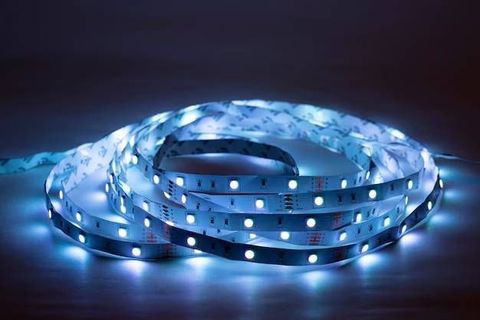
LED strips can highlight ceiling edges, shelves, display units, stair details, and selected architectural features. Some models support adjustable brightness or colour, allowing homeowners to change the atmosphere for different occasions.
Before installation, check whether the strip is designed for indoor or outdoor use, whether its power supply is compatible, and whether the mounting surface is suitable. Avoid placing ordinary indoor strips in exposed outdoor locations.
Creating a Coordinated Lighting Plan for Different Areas
A successful festive display does not require every area to be equally bright. Dividing the home into lighting zones helps create visual balance while controlling power use and installation complexity.
Entrance and main doorway: Use a focused arrangement of string lights, decorative lanterns, or LED diyas to make the entrance welcoming. Keep the doorway and walking path clear, particularly where guests may arrive after dark.
Living room: Combine warm ambient lighting with a few decorative accents around shelves, windows, or a festive display. Avoid placing bright strips directly within the normal line of sight, as glare can make the room uncomfortable.
Balcony and windows: Outline selected railings or window frames instead of covering every available surface. Secure the lights properly and keep electrical connections away from water exposure.
Garden and outdoor walls: Use suitable outdoor-rated lighting to highlight plants, pathways, and architectural details. Keep cables protected from foot traffic and avoid arrangements that obstruct access or create tripping hazards.
For a consistent appearance, choose one primary lighting colour and use a secondary colour sparingly. This approach helps different areas feel connected without making the entire home visually overwhelming.
Energy Efficiency and Practical Product Selection
LED technology converts a relatively high proportion of electrical energy into light compared with traditional incandescent lighting. However, actual energy use depends on the wattage, number of lights, brightness settings, and hours of operation.
For example, a 10-watt LED set operating for five hours consumes 0.05 kilowatt-hours of electricity. Running it for ten hours daily over ten days would use approximately 5 kilowatt-hours. Actual consumption should be calculated using the wattage of the complete lighting set.
When comparing decorative lighting products, consider more than the initial purchase price. Construction quality, expected lifespan, replaceable components, warranty terms, power consumption, and suitability for the installation environment can all affect long-term value.
Useful selection criteria include:
- Power consumption: Check the rated wattage of the complete set rather than relying on general energy-efficiency claims.
- Brightness and colour: Choose lighting that suits the area and complements surrounding decorations.
- Power source: Determine whether a plug-in, battery-operated, or rechargeable option best fits the installation.
- Durability: Examine construction quality, connector protection, and suitability for repeated seasonal use.
- Controls: Timers, dimmers, and remote controls may simplify operation when supported by the product.
A product with unnecessary features is not automatically a better choice. Select the capabilities that serve your actual decorating needs.
Safety Considerations for Festive LED Lighting
Decorative lighting often involves multiple connections, temporary installations, and extended operating hours. Careful setup reduces avoidable electrical and physical hazards.
Use products from reputable manufacturers and follow their installation instructions. Inspect cables, plugs, connectors, and adapters before use, and do not operate damaged lighting sets.
For outdoor displays, select products specifically rated for the expected weather conditions. Keep connections protected as directed by the manufacturer, and never assume that an LED string is waterproof simply because it is marketed for festive decoration.
Avoid overloading sockets or connecting more lighting sets together than the manufacturer permits. Keep cables away from hot surfaces, sharp edges, and walkways. Switch off decorative lights when leaving home or going to sleep unless the system is specifically designed for safe unattended operation.
LED diyas can reduce the open-flame risk associated with traditional lamps, but battery compartments and electrical components still require appropriate handling. Keep decorative lighting away from flammable materials and follow the product's safety instructions.
Frequently Asked Questions
Which LED lights are suitable for Diwali home decoration?
String lights, curtain lights, LED diyas, lanterns, and strip lights are common options. The appropriate choice depends on the location, desired appearance, available power, and whether the installation is indoors or outdoors.
Are LED lights suitable for outdoor Diwali decoration?
Yes, provided the complete lighting system is rated for the intended outdoor conditions. Check the product's environmental protection rating and instructions, and keep electrical connections protected from moisture.
How can I reduce electricity consumption during Diwali?
Choose appropriately rated LED products, avoid unnecessarily bright displays, use timers where suitable, and switch lights off when they are not needed. Compare wattage and operating hours to estimate consumption.
What should I check before selecting decorative LED lights?
Review the light length, brightness, colour, power requirements, construction quality, installation method, warranty, and indoor or outdoor suitability. Confirm that adapters and connectors are compatible with the complete setup.
Conclusion
Diwali LED lighting can enhance a festive home when the products, colours, and placement work together. String lights, decorative diyas, curtain lights, and LED strips offer different ways to highlight living spaces without requiring a complicated arrangement.
Plan the display around the home's layout, compare products according to practical requirements, and prioritize electrical safety. A coordinated approach can create a welcoming festive atmosphere while keeping energy use and maintenance manageable.

Related Post...


Auto Accident Personal Injury Attorney: Explore What Legal Steps Matter
Updated: September 21, 2026
Read More