Senior Mobility Scooters Guide to Safer and More Confident Daily Movement
Senior mobility scooters have become an important mobility solution for older adults who want to remain active while reducing the physical strain of walking long distances. Whether traveling through neighborhoods, parks, shopping centers, or community spaces, these vehicles help many individuals maintain their daily routines with greater comfort and confidence.
As people continue to live longer and lead more active lifestyles, mobility technology has evolved to support changing physical needs without limiting independence. Modern scooters combine practical design, reliable performance, and user-friendly controls that make everyday travel more manageable for many seniors.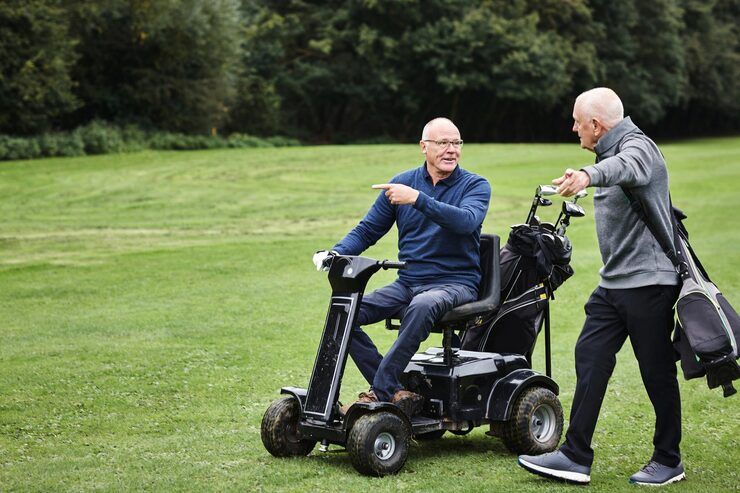
Understanding how mobility scooters function, what features matter most, and how they can be used safely allows individuals and caregivers to make informed decisions that support long-term mobility and personal independence.
Supporting Independence in Everyday Life
Maintaining mobility often plays a significant role in preserving confidence and social engagement. Difficulty walking long distances can make routine activities more challenging, but mobility scooters help bridge that gap by providing dependable transportation for everyday tasks.
Many users rely on scooters when visiting grocery stores, medical appointments, community centers, outdoor events, or large residential areas. Rather than replacing walking entirely, scooters often complement existing mobility by reducing fatigue during longer journeys while allowing users to remain active whenever possible.
The ability to move comfortably through familiar environments also encourages continued participation in family gatherings, recreational activities, and community events that contribute to overall well-being.
Features That Improve Comfort and Control
Modern senior mobility scooters are designed with comfort and ease of operation in mind. Manufacturers continue refining seating, steering, suspension, and stability systems to create a smoother riding experience across a variety of surfaces.
Several features commonly contribute to daily usability:
- Adjustable seating for improved comfort
- Ergonomic handlebars with intuitive controls
- Stable wheel configurations for better balance
- Comfortable suspension systems that reduce vibration
- LED lighting for improved visibility
- Easy-to-read battery and speed indicators
- Swivel seats that simplify getting on and off
- Storage baskets for carrying personal belongings
These features work together to make daily travel less physically demanding while supporting greater user confidence.
Choosing a Scooter That Matches Daily Needs
Selecting a mobility scooter involves understanding how and where it will be used rather than focusing on appearance alone. Daily routines, travel distance, terrain, storage space, and transportation requirements all influence which design is most practical.
Compact scooters are often suitable for indoor environments, shopping centers, and smooth sidewalks where maneuverability is important. Larger models generally provide increased stability, longer travel capability, and improved comfort for outdoor routes or uneven surfaces.
Battery capacity also deserves careful consideration. Users who regularly travel longer distances benefit from batteries designed to support extended operation between charging sessions.
Safe Operation Begins with Familiarity
Safe mobility depends not only on the scooter itself but also on the user's confidence and understanding of its controls. Spending time becoming familiar with acceleration, braking, steering, and turning helps develop predictable driving habits.
Most mobility scooters are designed for moderate speeds that prioritize stability over rapid movement. Maintaining a comfortable pace allows users to respond more effectively to pedestrians, obstacles, and changing surroundings.
Extra attention should be given when navigating ramps, curbs, parking areas, or shared pedestrian pathways. Smooth steering and gradual speed adjustments contribute to safer travel while improving rider comfort.
Battery Care and Routine Maintenance
Reliable performance depends on regular maintenance and proper battery care. Although mobility scooters are designed for dependable daily use, periodic inspections help identify minor issues before they affect operation.
Routine maintenance typically includes checking tire condition, confirming proper brake operation, inspecting lights, cleaning moving components, and verifying that controls respond correctly.
Battery care is equally important. Following recommended charging practices, avoiding prolonged storage with depleted batteries, and keeping electrical connections clean can help maintain consistent performance over time.
Keeping the scooter clean also protects its exterior while preventing dust and debris from interfering with moving parts.
Accessibility and Everyday Convenience
Mobility scooters are increasingly supported by public spaces designed with accessibility in mind. Wider pathways, curb ramps, elevators, and accessible entrances allow users to move comfortably through many commercial and public environments.
Shopping centers, healthcare facilities, parks, museums, transportation terminals, and community buildings frequently incorporate accessibility features that accommodate mobility devices. These improvements help users complete daily activities with fewer physical barriers while encouraging continued participation in community life.
Portable scooter designs have also become more common, allowing some models to be transported more easily when traveling with family or visiting new locations.
Technology Continues to Improve Mobility Solutions
Advancements in mobility technology continue enhancing scooter performance, efficiency, and user experience.
Improved battery technology provides longer operating times, while electronic control systems offer smoother acceleration and more responsive handling. Enhanced suspension designs improve ride comfort, and digital displays provide clear operating information without overwhelming users.
Some advanced models incorporate intelligent diagnostics that help monitor system performance and simplify maintenance planning. These ongoing developments contribute to greater reliability while making mobility scooters easier to operate for users with varying levels of experience.
Supporting Long-Term Mobility
A mobility scooter often becomes one part of a broader approach to maintaining independence. Regular physical activity within personal ability, routine medical care, appropriate assistive devices, and safe mobility practices all contribute to continued participation in daily life.
Caregivers and family members can also support safe scooter use by encouraging routine maintenance, selecting appropriate travel routes, and helping users become comfortable with new environments when needed.
When combined with thoughtful planning and responsible operation, mobility scooters provide practical assistance without limiting personal freedom.
Conclusion
Senior mobility scooters help many older adults remain active, independent, and engaged in everyday life by providing reliable transportation for routine activities. Their thoughtful design, comfortable operation, and growing accessibility make them an important mobility option for individuals seeking greater confidence in daily movement.
Understanding how these scooters function, selecting features that match individual needs, and practicing safe operation all contribute to a more comfortable and dependable mobility experience. With proper care and responsible use, senior mobility scooters continue supporting independent living while helping users stay connected to the activities and communities that matter most.

Related Post...

Eco-Friendly Wedding Ideas Explained: Basics, Facts, and Helpful Resources
Updated: April 04, 2026
Read More
Auto Accident Personal Injury Attorney: Explore What Legal Steps Matter
Updated: September 21, 2026
Read More
Senior Mobility Scooters Guide to Safer and More Confident Daily Movement
Updated: July 18, 2026
Read More