Retail display practices exist because customers make many buying decisions inside the store, often without prior planning. The way products are displayed influences how shoppers move through the store, what they notice first, and how long they engage with specific items. Historically, retailers relied on experience and visual judgment to design displays. As retail competition increased and store space became more valuable, display decisions became more structured and data-driven.
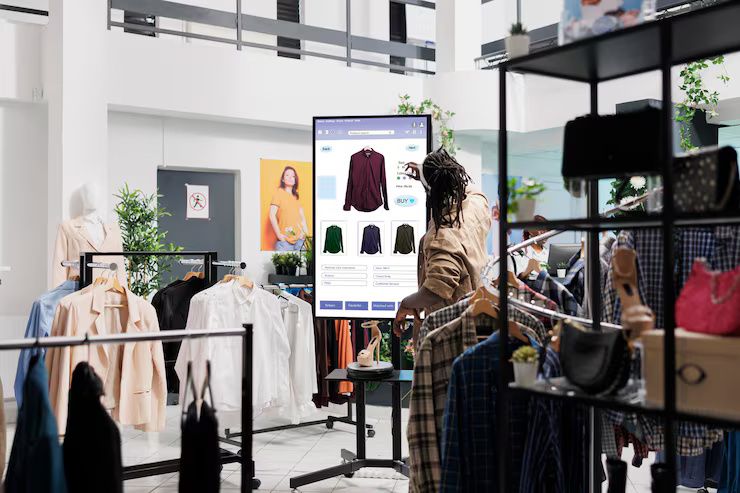
Retail display optimization developed to help retailers use limited floor and shelf space more effectively. By analyzing customer behavior, traffic flow, and product performance, retailers can design displays that support both customer convenience and business goals. Today, display optimization is considered a key part of in-store experience management rather than just visual merchandising.
Importance – Why Retail Display Optimization Matters Today
Retail display optimization plays a crucial role in influencing customer behavior and improving overall store performance.
Improves Product Visibility
Well-optimized displays ensure that key products are visible and accessible, reducing the chance that customers overlook them.
Guides Customer Movement
Thoughtful layout design helps guide shoppers through the store, increasing exposure to multiple product categories.
Supports Buying Decisions
Clear pricing, signage, and product grouping make it easier for customers to compare options and decide quickly.
Increases In-Store Engagement
Attractive and organized displays encourage customers to spend more time browsing.
Maximizes Use of Retail Space
Optimized displays help retailers get more value from limited shelf and floor space.
Benefits Multiple Stakeholders
Retail display optimization supports:
-
Store owners and managers
-
Merchandising and operations teams
-
Sales staff
-
In-store customers
Solves Common Retail Challenges
Effective display optimization helps address:
-
Low product visibility
-
Uneven sales across categories
-
Poor store navigation
-
Overstocking in low-traffic areas
-
Underperforming promotional displays
In a competitive retail environment, display optimization helps stores remain relevant and customer-friendly.
Recent Updates – Trends and Developments in 2024–2025
Retail display optimization has continued to evolve over the past year, influenced by technology, shopper behavior, and data availability.
Increased Use of In-Store Analytics (2024)
Retailers increasingly used footfall tracking and heat mapping tools to understand customer movement and dwell time.
Data-Driven Planograms
In 2024, more retailers adopted dynamic planograms based on real sales and inventory data rather than static layouts.
Omnichannel Display Alignment
Stores aligned in-store displays with online promotions and product launches to provide a consistent brand experience.
Focus on Simplicity and Clarity
Retailers reduced cluttered displays and focused on clearer product grouping and messaging.
Flexible and Modular Fixtures
Modular display systems allowed faster layout changes for seasonal promotions or inventory shifts.
Sustainability in Display Materials
There was increased use of reusable and eco-friendly display fixtures to reduce waste.
These trends reflect a shift toward adaptable, insight-driven, and customer-focused in-store displays.
Laws or Policies – Regulations Affecting Retail Displays
Retail display optimization must operate within regulatory and safety guidelines to protect customers and staff.
Consumer Protection and Pricing Laws
Displayed prices must match billing prices, and promotional claims must be accurate.
Accessibility Regulations
Stores are often required to ensure clear aisles, reachable shelves, and accessible navigation for all customers.
Fire and Safety Codes
Displays must not block exits, emergency equipment, or create hazards.
Product Labeling Requirements
Certain products must display mandatory information clearly, such as ingredients, warnings, or usage instructions.
Local Retail and Zoning Guidelines
Some regions regulate window displays, signage size, or placement visibility.
Compliance with these rules ensures that display optimization enhances sales without compromising safety or legality.
Tools and Resources – Helpful Support for Retail Display Optimization
Various tools and resources help retailers plan, test, and improve in-store displays.
Useful Tools and Resources
| Tool / Resource | Purpose / Benefit |
|---|---|
| Planogram Software | Design and optimize shelf layouts |
| In-Store Analytics Tools | Track customer movement and engagement |
| Sales Performance Dashboards | Measure display effectiveness |
| Visual Merchandising Guidelines | Standardize display best practices |
| Footfall Counters | Understand store traffic patterns |
| Inventory Management Systems | Align displays with stock availability |
| Store Layout Templates | Plan consistent store designs |
| Staff Training Resources | Ensure displays are maintained correctly |
These tools help retailers make informed decisions rather than relying solely on visual judgment.
FAQs – Clear and Factual Answers
What is retail display optimization?
It is the process of arranging products and store layouts to improve visibility, navigation, and purchasing behavior.
Does display optimization really affect sales?
Yes. Clear and well-placed displays help customers find products easily, which can increase purchase likelihood.
Is retail display optimization only for large stores?
No. Small and mid-sized stores can also benefit from better layout and product placement.
How often should retail displays be updated?
Many retailers review displays seasonally or when product assortments change.
Can display optimization improve customer satisfaction?
Yes. Organized and easy-to-navigate stores create a more pleasant shopping experience.
Final Thoughts
Retail display optimization is an essential practice for driving higher in-store sales while improving the overall shopping experience. By carefully planning product placement, store layout, and visual cues, retailers can guide customer behavior in a natural and supportive way. Recent advancements in analytics and flexible display systems have made optimization more precise and adaptable than ever. When combined with regulatory compliance and thoughtful design, retail display optimization helps stores make better use of space, reduce friction for customers, and support consistent sales performance in an increasingly competitive retail landscape.