As construction projects increased in scale and timelines became tighter, the industry needed faster and more uniform wall-finishing solutions. Plaster spraying machines were developed to address these challenges by automating material application. Instead of manually spreading plaster, the machine sprays it evenly across surfaces, significantly reducing labor effort and application time.
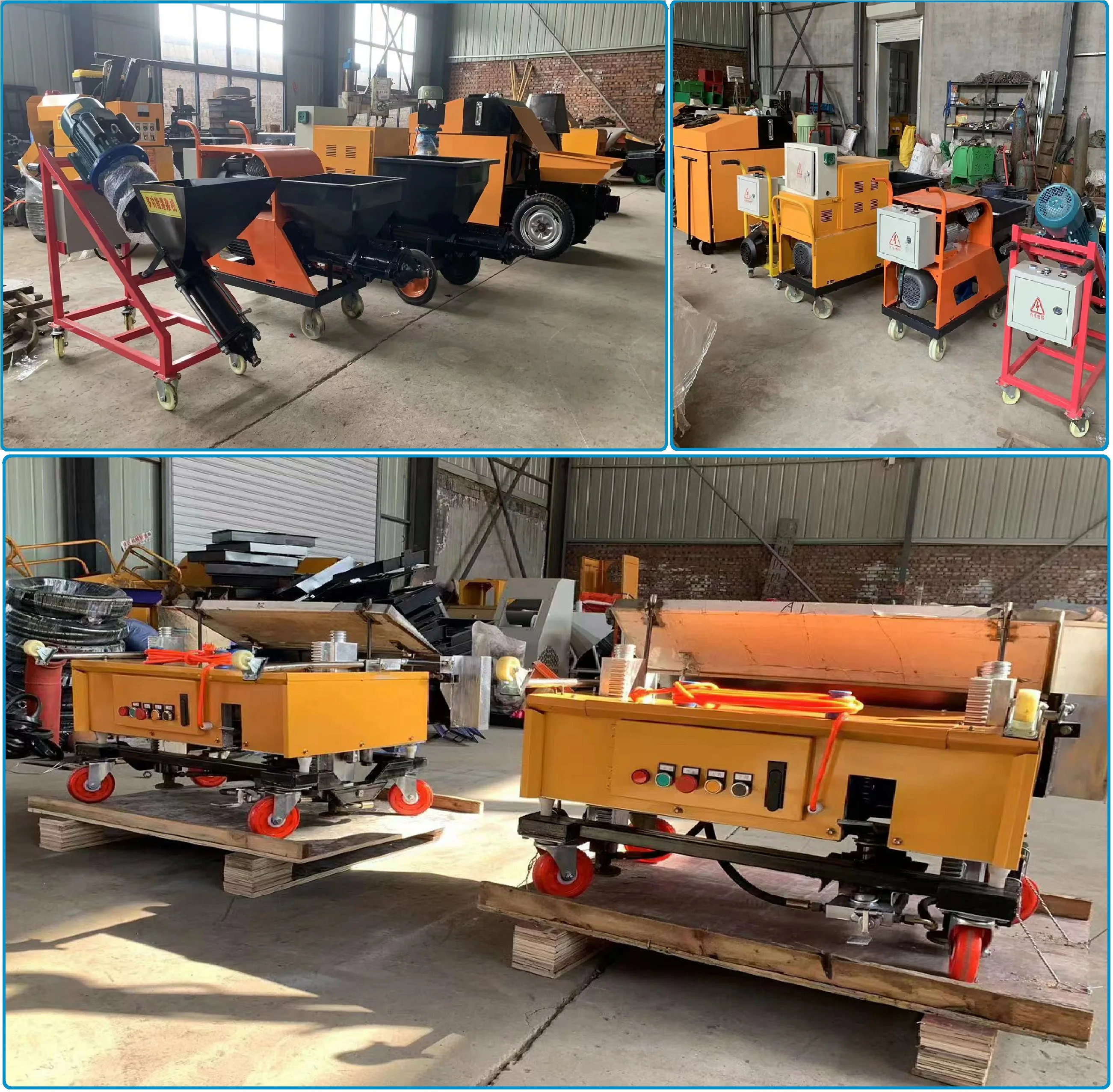
These machines are used in residential buildings, commercial projects, industrial structures, and infrastructure developments. They support a variety of materials, including cement plaster, gypsum plaster, lime plaster, and ready-mix formulations. By standardizing the application process, plaster spraying machines help achieve smoother surfaces and more predictable results.
Importance – Why Plaster Spraying Machines Matter Today
Plaster spraying machines play an increasingly important role in modern construction, particularly as projects demand faster completion and consistent quality.
Faster Wall Finishing
Mechanical spraying covers large surface areas quickly. Tasks that previously took days using manual methods can often be completed in a much shorter time.
Improved Surface Consistency
Machines apply plaster at a controlled rate and thickness, reducing uneven layers and surface defects. This leads to smoother finishes and less rework.
Reduced Labor Intensity
Manual plastering requires significant physical effort. Spraying machines reduce strain on workers, improving safety and productivity.
Better Material Utilization
Controlled spraying minimizes material wastage. Excess plaster can often be collected and reused, helping reduce overall consumption.
Suitable for Large-Scale Projects
Plaster spraying machines are particularly valuable for:
-
Residential housing developments
-
Commercial buildings
-
Hospitals and schools
-
Industrial facilities
Supports Modern Construction Schedules
With faster application and drying cycles, these machines help contractors meet tight project deadlines without compromising quality.
Overall, plaster spraying machines help solve common problems such as slow progress, inconsistent finishes, high labor demands, and material waste.
Recent Updates – Trends and Developments in 2024–2025
Over the past year, plaster spraying technology has evolved to improve efficiency, ease of use, and sustainability.
Growth of Lightweight and Portable Machines (2024)
Manufacturers introduced more compact and mobile plaster spraying machines, making them suitable for small contractors and renovation projects.
Improved Pump and Motor Efficiency
New pump designs released in 2024 offer smoother material flow and reduced clogging, improving reliability during continuous operation.
Compatibility With Ready-Mix Plasters
With the growing use of factory-prepared plaster mixes, machines have been updated to handle consistent, pre-mixed materials more effectively.
Energy-Efficient Operation
Electric plaster spraying machines gained popularity in 2024 due to lower energy consumption and reduced noise levels.
Enhanced Cleaning and Maintenance Features
Quick-clean systems and modular components introduced in late 2024 reduce downtime between jobs and simplify daily maintenance.
Integration With Construction Workflow Planning
Some machines now integrate with digital tools that help track usage, material consumption, and maintenance schedules.
These updates reflect the industry’s focus on efficiency, durability, and ease of operation.
Laws or Policies – Regulations Affecting Plaster Spraying Machines
Plaster spraying machines are subject to construction, safety, and environmental regulations designed to protect workers and ensure responsible use.
Workplace Safety Regulations
Construction safety standards typically require:
-
Proper training for machine operators
-
Use of protective equipment
-
Safe handling of pressurized systems
-
Clear emergency stop mechanisms
These measures help reduce accidents and injuries.
Equipment Safety and Certification Standards
Machines must comply with mechanical and electrical safety norms related to:
-
Motor protection
-
Pressure limits
-
Electrical insulation
-
Structural stability
Certified equipment ensures safe operation on construction sites.
Dust and Air Quality Regulations
Plaster application can generate dust. Regulations may require:
-
Dust suppression methods
-
Adequate ventilation
-
Use of masks or respirators
These rules help protect workers and nearby environments.
Environmental Guidelines
Policies may address:
-
Waste plaster disposal
-
Water usage during cleaning
-
Noise pollution
Modern plaster spraying machines support compliance by reducing material waste and operating more quietly.
Construction Quality Standards
Building codes often specify plaster thickness and finish quality. Machines help achieve consistent application that meets these standards.
Together, these policies encourage safer, cleaner, and more efficient construction practices.
Tools and Resources – Helpful Support for Plaster Spraying Work
Contractors and construction teams can use various tools and resources to optimize plaster spraying operations.
Useful Tools and Resources
| Tool / Resource | Purpose / Benefit |
|---|---|
| Plaster Coverage Calculators | Estimate material quantity based on wall area. |
| Machine Maintenance Logs | Track servicing and reduce breakdowns. |
| Surface Preparation Checklists | Ensure walls are ready before spraying. |
| Material Mixing Guides | Maintain correct plaster consistency. |
| Construction Project Management Apps | Plan schedules and coordinate teams. |
| Safety Training Modules | Improve operator awareness and compliance. |
| Weather Monitoring Apps | Help plan plastering work based on humidity and temperature. |
| Equipment Manuals and Guides | Support proper machine setup and troubleshooting. |
These tools help improve efficiency, safety, and overall work quality.
FAQs – Clear and Factual Answers
What is a plaster spraying machine used for?
It is used to apply plaster or mortar onto walls and ceilings quickly and evenly using mechanical pressure.
Is machine-applied plaster better than manual plastering?
Machine application offers faster coverage and more consistent thickness, while final finishing may still involve manual smoothing.
What types of plaster can be sprayed?
Common materials include cement plaster, gypsum plaster, lime plaster, and ready-mix formulations designed for spraying.
Do plaster spraying machines require skilled operators?
Basic training is required, but modern machines are designed to be user-friendly and easier to operate than manual methods.
How often do these machines need maintenance?
Routine cleaning after each use and periodic inspection of pumps, hoses, and motors help ensure reliable operation.
Final Thoughts
Plaster spraying machines have become an important tool in modern construction by significantly speeding up wall finishing and improving surface consistency. They reduce labor effort, minimize material waste, and support faster project completion across residential, commercial, and industrial buildings. Recent advancements in portability, energy efficiency, and ease of maintenance continue to make these machines more accessible and practical. By understanding how plaster spraying machines work, the regulations that guide their use, and the tools that support efficient operation, construction professionals can adopt this technology confidently and improve overall project efficiency.