Discover China’s Top Electronics Manufacturers Shaping Global Tech
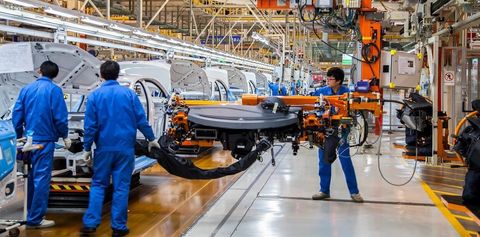
Electronics manufacturers in China play a central role in producing the devices people use every day, from smartphones and laptops to televisions and smart home gadgets.
These companies form a vast network of factories, suppliers, and innovators that support both local brands and international technology firms. Understanding this industry helps explain why so many products carry the “Made in China” label and how the country became a manufacturing powerhouse.
China’s electronics sector grew rapidly over the past few decades through investment in infrastructure, skilled labor, and supply chain development. Cities such as Shenzhen in the Pearl River Delta and areas in the Yangtze River Delta emerged as major hubs. Today the industry covers everything from basic components and circuit boards to full product assembly. Recent government plans emphasize moving beyond high-volume production toward stronger capabilities in core technologies, advanced materials, and research.
Why Electronics Manufacturers in China Matter
The scale of electronics manufacturers in China affects global markets. The sector has ranked among the country’s top industrial categories for many years by revenue. Factories produce large volumes of consumer electronics, communication equipment, and components that feed into products sold worldwide. This capacity supports lower production costs through efficient logistics and a dense network of specialized suppliers located close to one another.
Many international brands rely on Chinese facilities for assembly and parts. At the same time, domestic companies have expanded into design, software ecosystems, and higher-value products. Growth in areas such as electric vehicles, displays, and connected devices has further strengthened the industry’s position. For consumers, this means wider product availability and ongoing improvements in features and pricing.
Leading Electronics Manufacturers in China
Several well-known companies illustrate the breadth of the sector. Foxconn (Hon Hai Precision Industry) operates large-scale assembly plants across multiple Chinese cities and handles production for major global brands. Luxshare Precision has grown through connectors, wearables, and system-level manufacturing. BYD Electronics combines consumer device assembly with automotive electronics capabilities. Huawei focuses on telecommunications equipment, smartphones, and related systems while developing its own technology stack. Xiaomi offers a broad range of consumer electronics and has expanded into related categories. Display specialist BOE Technology supplies screens used in many devices, and firms such as TCL and Goertek contribute in televisions, audio, and other segments.
The table below summarizes a selection of notable electronics manufacturers associated with China and their primary focus areas:
| Company | Primary Focus Areas | Notable Strengths |
|---|---|---|
| Foxconn | Contract assembly, consumer electronics | Large-scale production capacity |
| Luxshare Precision | Connectors, wearables, system assembly | Precision components and integration |
| BYD Electronics | Device assembly, automotive electronics | Vertical integration |
| Huawei | Telecom, smartphones, enterprise systems | Research and ecosystem development |
| Xiaomi | Smartphones, IoT, consumer devices | Broad product range and software |
| BOE Technology | Displays and panels | Screen technology |
| TCL | Televisions and consumer appliances | Display and home electronics |
These firms operate alongside thousands of smaller specialized manufacturers that produce printed circuit boards, batteries, sensors, and other parts. The overall ecosystem allows rapid scaling and flexible response to market needs.
Trends Shaping the Industry
Electronics manufacturers in China continue to invest in automation, quality control, and research. Many facilities now incorporate advanced robotics and digital monitoring to improve consistency. Demand for artificial intelligence hardware, energy-efficient devices, and electric vehicle components is influencing production priorities. Efforts to strengthen domestic supply chains for semiconductors and critical materials are also underway, reflecting a broader focus on technological resilience.
Regional clusters remain important. Shenzhen is widely recognized for consumer electronics and prototyping, while other areas specialize in different product categories. Environmental standards and workforce training programs support longer-term development of the sector.
Frequently Asked Questions
What makes electronics manufacturers in China competitive?
A combination of established infrastructure, supplier density, manufacturing experience, and large production capacity helps companies deliver products efficiently to global markets.
Do these manufacturers only serve Chinese brands?
No. Many provide contract manufacturing services for international companies while also supporting domestic brands that design and sell their own products.
How has the industry evolved?
It has moved from primarily low-cost assembly toward greater involvement in design, higher-value components, and specialized technologies such as advanced displays and connected devices.
Are there different types of electronics manufacturers?
Yes. Some focus on full product assembly (often called electronics manufacturing services or EMS), others specialize in components, and still others develop complete branded devices.
Conclusion
Electronics manufacturers in China form a critical part of the worldwide technology supply chain. Through a mix of large contract producers, innovative domestic brands, and specialized component makers, the industry supplies a significant share of the devices people rely on daily. Continued investment in technology, infrastructure, and skills positions the sector to adapt to changing demands in consumer electronics, communications, and emerging applications. Understanding these manufacturers offers insight into how modern electronics reach consumers around the globe.

Related Post...
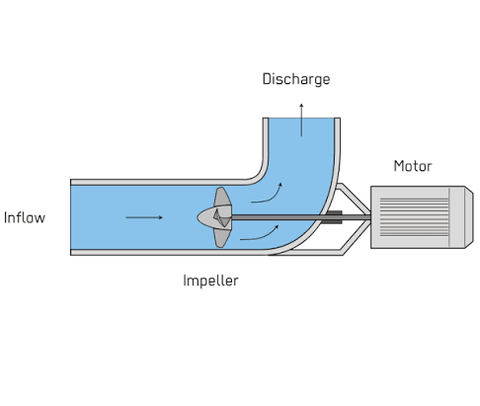
Axial Flow Pump Systems: Guide to Performance Before Efficiency Drops
Updated: September 30, 2026
Read More
Vertical Turbine Pumps: Insights Into Design, Uses, and Critical Reliability
Updated: September 30, 2026
Read More