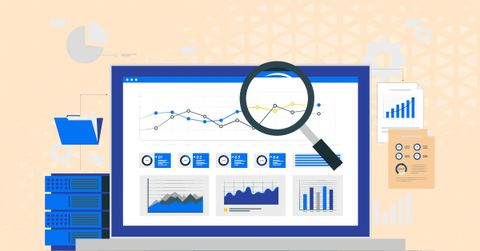
The concept exists to help organizations observe and understand physical systems without directly interacting with them at all times. Digital twins were first explored in engineering and manufacturing to simulate complex equipment and reduce the need for physical testing. As computing power and data connectivity improved, digital twins expanded into areas such as infrastructure management, healthcare systems, energy networks, transportation, and smart cities.
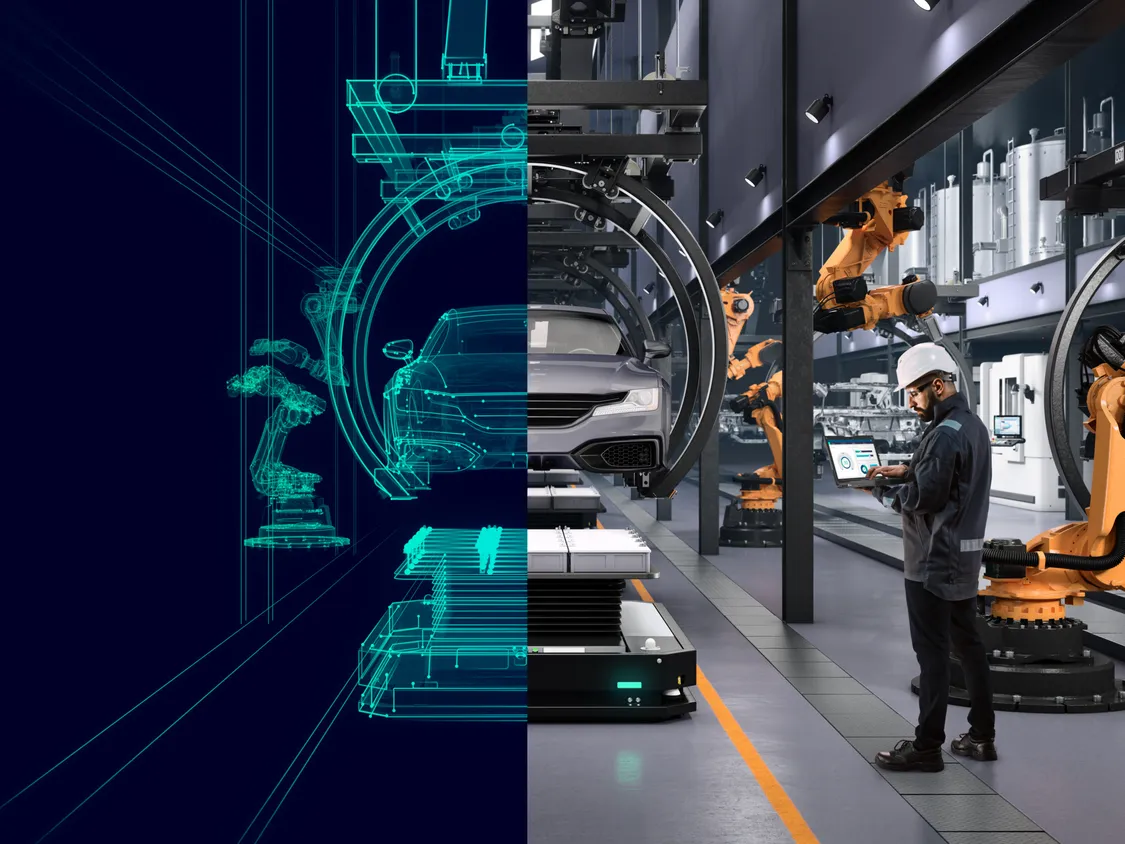
Today, digital twin systems act as information layers that connect physical environments with digital platforms. They help users visualize performance, track changes, and study how systems respond to different conditions.
Importance: Why Digital Twin Systems Matter Today
Digital twin systems matter because modern systems are increasingly complex and data-driven. Monitoring and managing these systems using traditional methods alone can be time-consuming and resource-intensive.
This topic affects:
Manufacturing and industrial operations teams
Infrastructure and utility managers
Healthcare and medical equipment planners
Urban planners and smart city developers
IT and data analytics professionals
Digital twin systems help address several challenges:
Limited visibility into real-time system performance
Difficulty predicting equipment behavior or system stress
High costs associated with physical testing and downtime
Fragmented data across multiple platforms
By creating a unified digital view, digital twins support clearer monitoring and more informed decision-making.
Key areas supported by digital twin systems
| Area | Practical Role |
|---|---|
| Monitoring | Tracks system behavior in real time |
| Analysis | Identifies trends and patterns |
| Planning | Tests scenarios digitally |
| Maintenance | Supports condition-based decisions |
Recent Updates: Changes and Trends in the Past Year
Over the past year, digital twin systems have continued to evolve alongside advancements in data platforms, artificial intelligence, and connectivity.
Notable developments since 2024 include:
Increased integration of digital twins with Internet of Things (IoT) platforms
Greater use of cloud-based digital twin environments for scalability
Expansion of digital twin use beyond manufacturing into healthcare and public infrastructure
Improved visualization tools, including 3D dashboards and real-time analytics
In late 2024 and early 2025, several technology providers released updates that focused on interoperability, allowing digital twins to connect more easily with existing enterprise systems. There has also been a growing focus on using digital twins for sustainability monitoring, such as energy consumption and resource optimization.
Digital twin capability comparison
| Aspect | Earlier Use | Recent Trend |
|---|---|---|
| Data sources | Limited sensor input | Multi-source data integration |
| Deployment | On-premise systems | Cloud and hybrid models |
| Analysis | Static simulations | Real-time insights |
| Scope | Single assets | Entire systems |
These updates reflect a shift toward broader and more flexible digital twin applications.
Laws or Policies: Regulatory and Governance Considerations
Digital twin systems operate within broader frameworks related to data governance, technology use, and sector-specific regulations. While digital twins themselves are not directly regulated, the data they rely on is subject to various rules.
In India, relevant considerations include:
Information Technology Act: Governs electronic data handling and digital systems
Data protection guidelines: Apply to collection and use of operational and personal data
Sector-specific regulations: Affect digital twin use in areas such as energy, healthcare, and transportation
Smart city and digital infrastructure programs: Encourage data-driven system monitoring
Government initiatives supporting digital infrastructure and smart technologies have indirectly contributed to the adoption of digital twin systems. These policies emphasize responsible data use, transparency, and system security.
Tools and Resources: Platforms and Supporting Technologies
Digital twin systems rely on a combination of software platforms, data tools, and monitoring technologies. These resources help build, manage, and analyze digital representations.
Common tools and resources associated with digital twins include:
IoT sensors and data collection devices
Digital twin software platforms
Cloud computing and storage services
Data analytics and visualization tools
Simulation and modeling frameworks
Core components of a digital twin system
| Component | Function |
|---|---|
| Physical asset | Provides real-world data |
| Sensors | Capture operational information |
| Data platform | Stores and processes data |
| Analytics layer | Generates insights |
Using these tools together supports accurate modeling and consistent system monitoring.
FAQs: Common Questions About Digital Twin Systems
What is the main purpose of a digital twin?
The main purpose is to create a digital representation that reflects how a physical system behaves, enabling monitoring and analysis.
Are digital twins the same as simulations?
No. Simulations are usually static models, while digital twins are continuously updated using real-time data.
Do digital twin systems require sensors?
Yes, most digital twins rely on sensors or data sources to keep the digital model aligned with real-world conditions.
Which industries use digital twin systems?
They are used in manufacturing, healthcare, energy, infrastructure, transportation, and urban planning.
Are digital twins used for decision-making?
They support decision-making by providing data-driven insights, but final decisions are made by people or organizations.
Final Thoughts
Digital twin systems provide a structured way to understand complex physical systems through digital representations. Their value lies in improved visibility, data integration, and the ability to explore scenarios without direct physical intervention.
As technology continues to advance, digital twins are becoming more accessible across industries. Understanding their purpose, components, and regulatory context helps organizations and individuals use them responsibly and effectively for monitoring and informed decision-making.