Understanding Lab-Grown Diamonds
Lab-grown diamonds have become an important part of the modern gemstone industry due to advancements in diamond-growing technology and precision manufacturing.
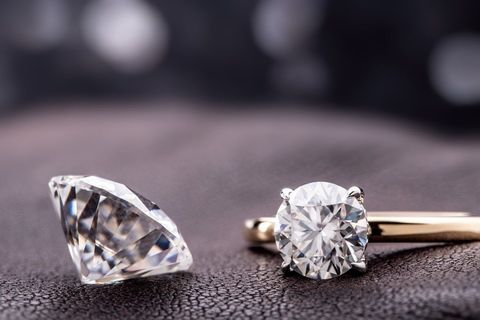
These diamonds are created in controlled laboratory environments using advanced scientific processes that replicate the natural conditions under which diamonds form. As a result, they possess the same physical, chemical, and optical properties as natural diamonds.
Today, lab-grown diamonds are used in jewelry, scientific research, industrial manufacturing, medical technology, and advanced electronics. Understanding how these diamonds are produced, their characteristics, grading standards, applications, and maintenance requirements helps consumers and professionals gain a deeper understanding of this evolving technology.
How Lab-Grown Diamonds Are Created
Lab-grown diamonds are produced by recreating the natural conditions required for diamond crystal formation. Scientists use specialized equipment to transform carbon into diamond crystals under carefully controlled environments.
Two primary manufacturing methods are widely used.
High Pressure High Temperature (HPHT)
The HPHT method reproduces the intense heat and pressure found deep within the Earth. Carbon is exposed to extremely high temperatures and pressure, allowing diamond crystals to develop over time.
Chemical Vapor Deposition (CVD)
The CVD process grows diamonds inside a vacuum chamber using carbon-rich gases. Carbon atoms gradually bond together and form layers that develop into a diamond crystal.
Both production methods create genuine diamonds with identical crystal structures to naturally formed diamonds.
Characteristics of Lab-Grown Diamonds
Lab-grown diamonds share the same fundamental properties as natural diamonds.
Important characteristics include:
- Crystal structure
- Optical brilliance
- Hardness
- Thermal conductivity
- Chemical composition
- Light performance
- Durability
- Transparency
These characteristics make lab-grown diamonds suitable for both decorative and technical applications.
Diamond Quality Factors
Diamond quality is commonly evaluated using internationally recognized grading criteria.
Cut
The cut influences how efficiently a diamond reflects and disperses light.
Color
Color grading measures the presence or absence of visible color within a diamond.
Clarity
Clarity evaluates internal characteristics and external surface features.
Carat Weight
Carat measures the weight of a diamond and contributes to its overall size.
Professional grading laboratories assess these characteristics using standardized evaluation methods.
Types of Lab-Grown Diamonds
Several categories of lab-grown diamonds are available.
Colorless Diamonds
These diamonds are valued for their high transparency and brilliant appearance.
Fancy Color Diamonds
Laboratory production techniques can create diamonds with various colors, including blue, yellow, pink, and green.
Gem-Quality Diamonds
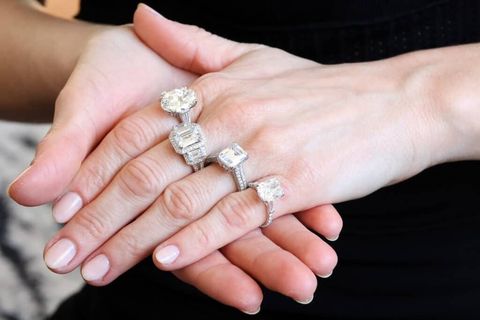
Gem-quality diamonds are produced for jewelry applications and undergo detailed quality grading.
Industrial Diamonds
Industrial-grade diamonds are commonly used in manufacturing, engineering, electronics, and precision cutting equipment.
Applications of Lab-Grown Diamonds
Lab-grown diamonds are used across multiple industries.
Common applications include:
- Diamond jewelry
- Scientific research
- Semiconductor technology
- Medical instruments
- Laser technology
- Optical equipment
- Precision machining
- Industrial cutting tools
- Heat management systems
- Advanced electronics
Their versatility extends far beyond decorative purposes.
Laboratory Diamond Grading
Professional grading laboratories evaluate lab-grown diamonds using established standards.
Grading reports typically include:
- Diamond dimensions
- Carat weight
- Cut grade
- Color grade
- Clarity grade
- Polish
- Symmetry
- Fluorescence
- Growth method
- Identification information
These reports help document the characteristics of each diamond.
Selecting Lab-Grown Diamonds
Several factors should be considered when evaluating lab-grown diamonds.
Important considerations include:
- Diamond grading report
- Shape
- Cut quality
- Color preference
- Clarity characteristics
- Carat size
- Certification
- Intended application
Reviewing these factors helps ensure informed decision-making.
Care and Maintenance
Proper care helps preserve the appearance of lab-grown diamonds.
Recommended practices include:
- Clean diamonds regularly using appropriate cleaning methods.
- Store jewelry separately to reduce surface contact.
- Inspect settings periodically.
- Remove jewelry during heavy physical activities.
- Clean with a soft brush when necessary.
- Keep jewelry away from harsh chemicals.
- Schedule periodic professional inspections.
Routine care helps maintain long-term brilliance.
High-CPC Related Keywords
The article naturally incorporates high-value keywords related to the topic, including:
- lab-grown diamonds
- synthetic diamonds
- diamond grading
- CVD diamonds
- HPHT diamonds
- diamond certification
- diamond manufacturing
- gemstone grading
- diamond quality
- laboratory diamonds
- diamond technology
- industrial diamonds
- diamond jewelry
- precision diamonds
- advanced materials
Benefits
Lab-grown diamonds offer several important advantages across multiple industries.
- Consistent diamond quality
- Advanced manufacturing precision
- Suitable for jewelry applications
- Useful in industrial manufacturing
- Support scientific research
- Compatible with advanced electronics
- High durability and hardness
- Excellent optical properties
- Available in multiple shapes and colors
- Produced using modern diamond-growing technology
Frequently Asked Questions
What are lab-grown diamonds?
Lab-grown diamonds are diamonds created in controlled laboratory environments using advanced scientific processes that replicate natural diamond formation.
Are lab-grown diamonds real diamonds?
Yes. They possess the same physical, chemical, and optical characteristics as natural diamonds.
What production methods are used?
The two primary production methods are High Pressure High Temperature (HPHT) and Chemical Vapor Deposition (CVD).
How are lab-grown diamonds graded?
They are graded using the same quality factors applied to natural diamonds, including cut, color, clarity, and carat weight.
Where are lab-grown diamonds used?
They are widely used in jewelry, medical equipment, electronics, scientific research, laser technology, and industrial manufacturing.
How should lab-grown diamonds be maintained?
Regular cleaning, proper storage, and periodic inspections help maintain their appearance and durability.
Conclusion
Lab-grown diamonds represent a significant advancement in modern diamond technology, combining scientific innovation with precise manufacturing techniques. Produced through HPHT and CVD methods, these diamonds share the same physical and optical properties as natural diamonds while serving applications in jewelry, healthcare, electronics, engineering, and research. Understanding their production methods, grading standards, characteristics, and maintenance practices helps individuals appreciate the growing role of lab-grown diamonds across both consumer and industrial sectors.

Related Post...

Personalized Necklaces: A Guide to Custom Jewelry Styles and Personal Expression
Updated: October 02, 2026
Read More