Traditional tooth replacement methods often relied on removable prosthetics or tooth-supported restorations. Over time, dental researchers explored solutions that mimic natural tooth roots more closely. Dental implants emerged as a reliable alternative because they integrate with bone through a process known as osseointegration, a scientific concept widely studied in dental science and biomaterial engineering.
In simple terms, the implant method focuses on restoring function and maintaining jawbone structure. Tooth loss can lead to gradual bone reduction, changes in bite alignment, and challenges with speech or chewing. The implant approach addresses these issues by providing structural support that resembles natural anatomy.
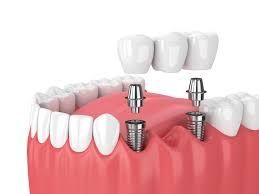
Key components typically involved in the dental implant process include:
-
Implant fixture placed into bone
-
Abutment connecting the fixture to the visible tooth
-
Crown or restoration designed to match natural teeth
Because dental implant planning often involves digital dentistry tools and advanced imaging, the method has become closely linked with technological innovation in modern oral healthcare.
Why the Dental Implant Method Matters Today
Tooth loss remains a common health concern worldwide, affecting adults of various age groups due to trauma, decay, or periodontal conditions. Advances in dental implant technology have shifted treatment discussions toward long-term stability, jawbone preservation, and improved oral function.
Several factors make this topic increasingly relevant:
-
Growing awareness of preventive oral health and restorative dentistry
-
Increased research in cosmetic dentistry and digital smile design
-
Aging populations seeking durable tooth replacement options
-
Expansion of dental insurance policies that reference implant procedures
Dental implants are not only about appearance; they also contribute to maintaining bite balance and reducing strain on surrounding teeth. In dental education, implants are often highlighted as a multidisciplinary field combining prosthodontics, oral surgery, and radiology.
Below is a simplified comparison table explaining how dental implants differ from traditional methods based on general characteristics often discussed in dental literature.
| Feature | Dental Implants | Traditional Bridges | Removable Dentures |
|---|---|---|---|
| Jawbone support | High | Moderate | Low |
| Stability during chewing | Strong | Moderate | Variable |
| Effect on nearby teeth | Minimal | May require shaping | Minimal |
| Long-term oral health focus | Strong emphasis | Moderate emphasis | Depends on maintenance |
This comparison is educational and reflects general concepts commonly discussed in dental research rather than individual treatment planning.
Recent Updates and Trends in Implant Dentistry
The past year has seen several developments in implant dentistry technology and clinical research. Around 2025, dental journals and conferences highlighted the growing use of digital planning tools and artificial intelligence in oral surgery workflows. These tools allow dentists to create highly precise surgical guides using 3D imaging and cone-beam computed tomography (CBCT).
Key trends shaping the field include:
-
Increased use of digital dentistry platforms for implant planning
-
Growth of guided implant surgery using 3D-printed templates
-
Improved surface technology designed to enhance bone integration
-
Expanded research into zirconia implants as metal-alternative materials
Another important update is the integration of AI-assisted diagnostics. Dental imaging software can now help analyze bone density and anatomical structures, improving accuracy during treatment planning. Many dental associations reported in late 2024 and early 2025 that digital workflows reduce procedural variability and support better patient education.
A simplified trend overview is shown below:
| Trend Area | Description | Impact on Dental Implant Method |
|---|---|---|
| Digital Dentistry | Use of scanning and 3D modeling | Greater precision and visualization |
| AI Imaging Tools | Automated radiographic analysis | Improved planning accuracy |
| Biomaterials Research | Advanced implant coatings | Enhanced osseointegration |
| Minimally Invasive Techniques | Smaller surgical approaches | Shorter recovery discussions |
These developments illustrate how implant dentistry continues to evolve as technology advances.
Laws, Regulations, and Policy Considerations
Dental implant procedures are regulated within healthcare frameworks that vary by country. In India, implant dentistry falls under broader dental practice standards overseen by regulatory bodies such as the Dental Council of India. These regulations focus on professional qualifications, patient safety, and ethical communication.
Important policy areas influencing dental implants include:
-
Guidelines on dental radiology and imaging safety
-
Clinical standards for sterilization and surgical protocols
-
Advertising rules that restrict exaggerated health claims
-
Health insurance frameworks referencing oral surgery and restorative procedures
Healthcare advertising rules are especially relevant. Educational content must remain factual and avoid guarantees or unrealistic outcomes. Many dental councils encourage clear patient communication that explains risks, benefits, and alternatives in a balanced manner.
Government health programs may also influence awareness campaigns about oral health and preventive care. While implants are typically categorized within specialized dentistry, regulatory oversight ensures consistent clinical standards and informed consent practices.
Tools and Resources Commonly Used in Implant Dentistry
Digital tools play a significant role in modern implant workflows. These tools help professionals evaluate anatomy, plan procedures, and communicate treatment steps more clearly to patients.
Examples of commonly referenced resources include:
-
CBCT imaging software for detailed 3D jawbone visualization
-
Digital smile design platforms used in cosmetic dentistry planning
-
Implant planning calculators that estimate implant positioning angles
-
Dental education platforms offering patient-friendly learning materials
Some educational mobile apps and online portals provide oral health tracking features or animated explanations of implant procedures. These resources can improve understanding by illustrating each stage visually.
Below is an overview table showing categories of tools frequently discussed in dental education.
| Tool Category | Purpose | Example Use |
|---|---|---|
| 3D Imaging Software | Analyze bone structure | Implant placement planning |
| Surgical Guide Design | Create precise templates | Guided oral surgery workflows |
| Dental Education Platforms | Patient awareness | Visual explanations of procedures |
| Digital Record Systems | Track oral health data | Long-term monitoring |
Using digital resources responsibly supports better communication between dental professionals and patients while maintaining transparency.
Common Questions About the Dental Implant Method
How long does a dental implant procedure usually take?
The timeline varies depending on healing and individual anatomy. The process often includes multiple stages such as planning, placement, and restoration, with healing periods between steps.
Is the dental implant method considered safe?
Implant dentistry has been widely studied in oral surgery research. When performed according to clinical guidelines and proper patient assessment, it is regarded as a predictable restorative approach.
Who may benefit from learning about dental implants?
Adults exploring tooth replacement options, individuals interested in cosmetic dentistry insights, and those researching oral health restoration may find educational information helpful.
What technologies are used during implant planning?
Modern workflows often involve digital scans, CBCT imaging, and computer-guided surgical planning tools that help visualize anatomy before the procedure.
Does age affect eligibility for implants?
Age alone is not the main factor; overall oral health, bone condition, and medical history are typically considered during professional evaluation.
Conclusion
The dental implant method represents a significant advancement in restorative dentistry, combining principles from oral surgery, biomaterials science, and digital technology. By replacing missing teeth with structures that integrate with bone, implants aim to restore function while supporting long-term oral health.
As digital dentistry continues to evolve, trends such as AI-assisted imaging and guided surgical planning are shaping how implant procedures are understood and discussed. Regulatory frameworks and healthcare policies help maintain safety standards and encourage balanced, educational communication.
For readers exploring implant dentistry from an informational perspective, understanding the basics, technological developments, and common questions can provide clarity without promoting unrealistic expectations. Educational awareness remains a key factor in helping individuals make informed decisions about oral health and restorative treatment options.