Deep-Seat Ultra-Soft Lounge Chairs: Key Insights Into Comfort and Construction
Deep-seat ultra-soft lounge chairs represent a furniture category designed around spacious seating, supportive construction and relaxed comfort. These chairs typically feature extended seat depth, generous cushioning, soft upholstery and wide seating areas. They are commonly found in contemporary living rooms, reading corners, bedrooms, hotel lounges and other indoor environments.
As interior design increasingly emphasizes comfort and flexible living spaces, deep-seat lounge chairs have become an important part of residential and hospitality furniture planning. Their design combines visual appeal with practical considerations such as body support, fabric durability, room dimensions and long-term maintenance.
Understanding Deep-Seat Ultra-Soft Lounge Chairs
What Makes a Lounge Chair Deep-Seat?
A deep-seat lounge chair has a greater front-to-back seating dimension than many conventional accent chairs. This additional space allows people to sit with their legs comfortably positioned, recline slightly or use supportive cushions to adjust their posture.
Typical design characteristics include:
Extended seat depth for relaxed sitting positions.
Wide seating surfaces for additional movement.
Thick foam or layered cushioning.
Soft fabric, velvet, chenille or microfiber upholstery.
Supportive frames made from hardwood, engineered wood or metal.
Generously padded armrests and backrests.
Seat dimensions vary considerably between manufacturers and furniture collections. Some deep-seat models have a seating depth of approximately 22–28 inches, although larger designs may extend beyond this range.
Understanding Ultra-Soft Cushioning
Ultra-soft cushioning usually combines different foam densities, fiber filling or layered materials to create a comfortable seating experience.
The upper cushioning layer provides a softer initial feeling, while the underlying structure helps maintain shape and distribute body weight. Some designs also incorporate pocket springs or supportive webbing.
A chair that feels extremely soft initially may not provide sufficient support for extended sitting. Therefore, cushioning quality should be considered alongside firmness, resilience and construction.
Why Deep-Seat Lounge Chairs Matter Today
Comfort in Modern Living Spaces
Modern homes increasingly serve several purposes, including relaxation, entertainment, reading and remote work. Comfortable furniture helps create dedicated spaces for these activities without requiring separate rooms.
Deep-seat ultra-soft lounge chairs are particularly relevant for:
Residential interiors: They create comfortable seating areas in living rooms, bedrooms and home libraries.
Hospitality environments: Hotels, resorts and serviced apartments use lounge seating to create welcoming indoor spaces.
Reading areas: Extended seat dimensions provide room for different sitting positions.
Entertainment spaces: Soft seating can support relaxed activities such as watching films or listening to music.
Interior design projects: Their proportions and upholstery contribute to the visual character of contemporary interiors.
Ergonomic Considerations and Body Support
Although deep seating is associated with relaxation, seat depth and backrest positioning influence posture. A seat that is too deep may prevent shorter users from placing their feet comfortably on the floor.
Ergonomic furniture selection should consider:
Seat height in relation to leg length.
Seat depth in relation to thigh support.
Lumbar support and backrest angle.
Armrest height and width.
Cushion firmness and weight distribution.
An adjustable arrangement of back cushions can help accommodate different body proportions. However, a lounge chair is not automatically an ergonomic chair simply because it has thick padding.
The Importance of Upholstery and Frame Quality
The materials used in luxury lounge chairs influence appearance, durability and maintenance requirements. Upholstery should be assessed according to its texture, cleaning instructions, abrasion resistance and suitability for the intended environment.
The internal frame is equally important. Hardwood, engineered wood and metal structures provide different characteristics in terms of weight, stability and construction.
Recent Updates and Furniture Design Trends
Furniture Trends During 2025–2026
During 2025 and 2026, interior design discussions have increasingly emphasized comfortable living spaces, adaptable furniture and practical upholstery materials.
Several developments are relevant to deep-seat lounge chair designs:
1. Comfort-focused silhouettes
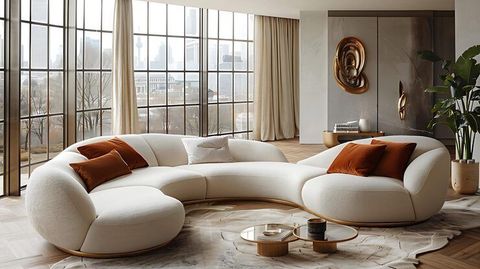
Rounded edges, curved armrests, generous cushioning and cocoon-inspired seating have remained visible in contemporary furniture design. These features create softer visual forms while maintaining functional seating areas.
2. Performance upholstery fabrics
Performance velvet, textured chenille, microfiber and durable woven textiles are receiving attention because households increasingly consider cleaning requirements and everyday fabric performance.
3. Modular and flexible interiors
Furniture arrangements are becoming more adaptable to changing household needs. Lounge chairs with movable cushions and complementary modular seating can support different room layouts.
4. Sustainable material considerations
Manufacturers and interior designers are paying greater attention to recycled textiles, responsibly sourced timber and material transparency. The environmental impact of upholstery, foam and furniture packaging is also relevant to product development.
5. Improved cushioning construction
Layered foam, fiber blends and resilient internal support systems are being incorporated into contemporary seating designs to balance softness with structural stability.
Recent 2026 furniture coverage also highlights curved forms, flexible layouts and performance textiles as notable design directions.
Comparison of Common Lounge Chair Materials
The following table outlines common materials used in deep-seat upholstered furniture.
Material | Main characteristics | Maintenance considerations |
|---|---|---|
Velvet | Soft texture and rich appearance | Requires fabric-specific cleaning |
Chenille | Textured surface and comfortable feel | Regular vacuuming is useful |
Microfiber | Dense, soft synthetic fibers | Follow manufacturer cleaning instructions |
Linen blends | Natural-looking texture | May wrinkle and require careful cleaning |
Leather | Smooth surface and distinctive appearance | Needs appropriate conditioning |
High-density foam | Structural cushioning support | Quality and resilience vary |
Material performance depends on manufacturing methods, fabric composition and maintenance conditions.
Deep-Seat Lounge Chair Design Measurements
Furniture dimensions should be assessed before choosing a seating arrangement. The following are illustrative design ranges, not universal manufacturing standards.
Design element | Common illustrative range |
|---|---|
Seat depth | 22–28 inches |
Seat height | 16–19 inches |
Overall width | 32–42 inches |
Backrest height | 28–38 inches |
Armrest height | 20–26 inches |
Actual dimensions vary according to the chair's shape, intended use and manufacturer specifications.
Laws, Policies and Furniture Safety Standards
Fire Safety Requirements
Upholstered lounge chairs contain materials such as foam, fabric, padding and internal structural components. Their fire performance is therefore an important product safety consideration.
Regulations differ between countries, and manufacturers must understand the requirements of the markets where their furniture is distributed.
In the United States, the Consumer Product Safety Commission (CPSC) regulates upholstered furniture flammability under 16 CFR Part 1640. The requirements incorporate California Technical Bulletin 117-2013 and include relevant testing and permanent labeling provisions.
United Kingdom Furniture Regulations
The United Kingdom has specific fire safety requirements for domestic upholstered furniture under the Furniture and Furnishings (Fire) (Safety) Regulations 1988.
Amendments introduced on 30 October 2025 changed certain provisions, including removing the display-label requirement for new products, excluding specified baby and young children's products from the regulations and extending the enforcement period from six to twelve months.
Permanent labeling and applicable fire safety requirements remain important.
European and International Considerations
The European Union's General Product Safety Regulation (EU) 2023/988 establishes general product safety obligations for consumer products within its scope. Furniture manufacturers and distributors should also consider applicable chemical restrictions, material safety requirements and national fire safety provisions.
There is no single universal furniture flammability standard covering every international market. Product specifications and compliance documentation should therefore be checked according to the destination country.
Environmental and Material Policies
Environmental considerations are increasingly relevant to furniture manufacturing. Depending on the jurisdiction and materials used, businesses may need to consider:
Chemical restrictions affecting upholstery and foam.
Requirements concerning timber sourcing.
Textile composition and labeling rules.
Packaging waste and recycling regulations.
General product safety and consumer information requirements.
These rules can change, so current national regulations should be reviewed before introducing furniture into a new market.
Tools and Resources for Lounge Chair Research
Furniture Planning and Measurement Tools
Several digital tools can help homeowners, architects and interior designers evaluate lounge chair dimensions and room arrangements.
Room Planner: Helps visualize chair placement, room proportions and furniture arrangements.
Floor Plan Creator: Supports room measurement and furniture layout planning.
SketchUp: Provides 3D furniture modeling and interior visualization capabilities.
Autodesk Revit: Supports detailed interior architecture and furniture planning.
Foam density calculators: Help compare cushioning specifications and understand foam weight per cubic foot.
Fabric durability guides: Explain upholstery abrasion ratings, cleaning codes and textile characteristics.
Useful Furniture Research Resources
The following organizations provide information relevant to furniture design, materials and safety:
Consumer Product Safety Commission (CPSC): Information about furniture safety and flammability requirements in the United States.
American Home Furnishings Alliance (AHFA): Industry information concerning furniture manufacturing and product safety.
British Standards Institution (BSI): Information about furniture standards and testing methods.
European Commission: Information about European product safety and chemical regulations.
Forest Stewardship Council (FSC): Resources concerning responsible forest management and timber sourcing.
These resources can help users understand furniture specifications, material selection and applicable safety considerations.
Frequently Asked Questions
1. What Makes Deep-Seat Ultra-Soft Lounge Chairs Different from Regular Lounge Chairs?
Deep-seat lounge chairs generally have greater front-to-back seating dimensions and thicker cushioning than conventional accent chairs. Their design accommodates relaxed sitting positions and provides additional seating space. However, comfort depends on the relationship between seat depth, height, back support and individual body proportions.
2. Which Upholstery Materials Are Suitable for Ultra-Soft Lounge Chairs?
Velvet, chenille, microfiber, linen blends and certain leather materials are commonly used. Each has different characteristics regarding texture, durability, appearance and maintenance. The appropriate material depends on household activities, environmental conditions and cleaning requirements.
3. Are Deep-Seat Lounge Chairs Suitable for Small Living Rooms?
They can be used in smaller rooms when their overall dimensions are carefully evaluated. Measuring available floor space, doorways and walking paths helps prevent overcrowding. Compact deep-seat accent chairs with narrower armrests can be considered where space is limited.
4. How Can Cushion Softness and Support Be Evaluated?
Cushioning should be assessed through its firmness, thickness, resilience and underlying construction. High-quality seating generally combines a comfortable upper layer with supportive internal materials. Checking the foam specifications and testing the chair in different sitting positions can help determine whether its construction meets individual preferences.
5. What Safety Features Should Be Considered When Evaluating Upholstered Lounge Chairs?
Important considerations include frame stability, material durability, appropriate fire safety compliance and clear manufacturer labeling. Buyers should review the relevant national requirements, particularly for upholstered foam and fabric components. Furniture intended for households with children should also be evaluated for stability and potential hazards.
Conclusion
Deep-seat ultra-soft lounge chairs combine spacious dimensions, soft cushioning and contemporary upholstery to create comfortable indoor seating. Their growing relevance reflects changing expectations around residential interiors, flexible living environments and comfort-focused furniture design.
Selecting an appropriate chair requires more than evaluating its appearance or softness. Seat depth, height, frame construction, foam quality, upholstery performance and room dimensions all contribute to its suitability.
Recent furniture trends during 2025–2026 demonstrate continued interest in curved silhouettes, adaptable seating arrangements, durable fabrics and thoughtful material selection. At the same time, fire safety requirements and environmental considerations remain important aspects of upholstered furniture manufacturing.
Understanding these design, material and regulatory factors provides a useful foundation for evaluating deep-seat ultra-soft lounge chairs across residential, hospitality and interior design applications.

Related Post...

Guide to Choosing Standing Desks for Home Offices With Better Stability and Height Range
Updated: October 28, 2026
Read More
Guide to Ultra-Modern Floating TV Units for Contemporary Living Spaces
Updated: November 04, 2026
Read More
Round Dining Table Designs: Explore Elegant Styles for Modern Living Spaces
Updated: October 29, 2026
Read More