Coworking Spaces Guide: Explore Types, Facilities, Workspaces, Benefits & Key Considerations
The way people work has changed considerably with the growth of remote work, flexible employment arrangements, independent professionals, startups, and distributed teams. These changes have also increased interest in flexible work environments that provide professional infrastructure without requiring a traditional permanent office setup.
Coworking spaces are designed to provide shared working environments for individuals, teams, businesses, freelancers, entrepreneurs, and remote professionals. Depending on the facility, users may have access to workstations, private offices, meeting rooms, internet connectivity, common areas, printing facilities, lounges, and other workplace amenities.
Beyond physical infrastructure, coworking environments can also provide opportunities for professional interaction and collaboration. However, the suitability of a coworking space depends on factors such as work requirements, location, privacy, facilities, accessibility, and the type of working environment preferred.
What Is a Coworking Space?
A coworking space is a shared professional workplace where people from different organizations or professional backgrounds work within the same facility.
Unlike a conventional office occupied by one organization, a coworking environment may accommodate:
Freelancers
Remote employees
Entrepreneurs
Startups
Small teams
Consultants
Independent professionals
Established organizations
Project-based teams
The workspace can range from an open desk area to private offices and dedicated team environments.
Coworking spaces generally combine physical workplace infrastructure with flexible workspace arrangements.
How Do Coworking Spaces Work?
A coworking facility typically divides its available space into different workspace zones.
These may include:
Shared work areas
Dedicated desks
Private offices
Meeting rooms
Conference rooms
Collaboration areas
Lounge spaces
Break areas
Reception and common facilities
Different areas are designed for different working requirements.
For example, an individual working independently may prefer an open workstation, while a small team handling confidential discussions may require a private room.
Types of Coworking Spaces
Coworking environments are not all designed in the same way. Different formats address different work patterns.
1. Open Coworking Spaces
Open coworking areas provide shared desks or workstations within a common environment.
They can be suitable for people who do not require a permanent private office.
Common characteristics include:
Shared desks
Common seating
High-speed internet
Shared facilities
Collaborative atmosphere
The open format can encourage interaction, although individuals working on confidential or highly focused tasks may prefer quieter areas.
2. Dedicated Desk Spaces
A dedicated desk provides a designated workstation within a shared office environment.
This arrangement can provide greater consistency than using different desks each day while retaining access to common facilities.
It can be useful for professionals who work regularly from the same location.
3. Private Offices
Private offices provide enclosed workspace for individuals or teams.
They may be appropriate when privacy, concentration, or team identity is important.
Depending on the facility, private offices may include:
Desks
Chairs
Storage
Internet connectivity
Access to shared meeting rooms
Common-area access
4. Team Offices
Team-oriented coworking areas are designed for groups that need to work together.
They may provide multiple workstations within an enclosed or semi-private environment.
This format can support collaboration while keeping the team physically connected.
5. Meeting and Conference Spaces
Meeting rooms provide dedicated environments for discussions, presentations, interviews, workshops, and online meetings.
Features may include:
Conference tables
Display screens
Video-conferencing equipment
Whiteboards
Internet connectivity
Acoustic treatment
6. Specialized Coworking Spaces
Some coworking environments are designed around particular professional communities or industries.
Examples can include spaces oriented toward:
Technology professionals
Creative professionals
Entrepreneurs
Designers
Media professionals
Social enterprises
Educational organizations
The community and facilities can vary significantly between locations.
Common Coworking Space Facilities
Facilities are an important part of the coworking experience.
High-Speed Internet
Reliable internet connectivity is one of the most important requirements for modern work.
Depending on the facility, connectivity may include:
Wi-Fi
Wired connections
Multiple network access points
Backup connectivity
Network performance can vary, so users with demanding workloads may need to understand available connectivity arrangements.
Workstations
Workstations may consist of desks, ergonomic chairs, power outlets, and lighting.
Workspace dimensions and desk arrangements vary considerably.
Meeting Rooms
Meeting rooms provide dedicated spaces for collaborative discussions and professional meetings.
Availability and room sizes can differ depending on the facility.
Conference Rooms
Larger rooms can accommodate presentations, workshops, team discussions, or larger meetings.
Reception Area
Many professional coworking facilities have reception areas for visitors and general workplace coordination.
Printing and Scanning
Shared printing, scanning, and document facilities may be available for routine office requirements.
Pantry and Refreshment Areas
Many coworking spaces include pantry or refreshment areas where users can take breaks during the working day.
Lounge Areas
Lounge spaces can provide informal seating for breaks, conversations, or less formal work.
Phone Booths
Enclosed phone booths can provide quieter environments for telephone calls and virtual meetings.
Power and Charging
Adequate electrical outlets are important for laptops, monitors, phones, and other equipment.
Some facilities also provide charging stations or backup power arrangements.
Technology Infrastructure
Technology plays a major role in coworking environments.
A modern workspace may include:
High-speed internet
Wireless networking
Video-conferencing equipment
Smart access systems
Digital visitor management
Meeting-room booking
Printing systems
Workspace management platforms
Some facilities use mobile applications or web dashboards to manage room reservations, visitor access, announcements, and other workplace activities.
Benefits of Coworking Spaces
Coworking environments can provide several practical benefits depending on the user's working style.
Professional Working Environment
A dedicated workplace can provide a more structured environment than working from locations that are not designed specifically for professional activities.
Flexible Workspace Options
Coworking facilities may provide different workspace configurations, allowing users to choose between open desks, dedicated workstations, meeting rooms, and private offices.
Access to Shared Infrastructure
Instead of maintaining every workplace facility individually, users can access shared resources such as meeting rooms, reception areas, internet connectivity, and common areas.
Networking Opportunities
People from different industries may work within the same coworking environment.
This can create opportunities for professional interaction, knowledge exchange, and collaboration.
However, networking should be viewed as a potential benefit rather than a guaranteed outcome.
Collaboration
Shared environments can make informal communication easier, particularly for teams and professionals who value interaction.
Work-Life Separation
For remote professionals, working from a dedicated external location can create a clearer separation between professional activities and home life.
Coworking Spaces for Different Users
Freelancers
Freelancers may benefit from access to a professional workstation and meeting environment without maintaining a dedicated conventional office.
Remote Employees
Remote employees can use coworking environments as an alternative workplace when their organization permits external work locations.
Startups
Startups may use flexible work environments while their team structure and workspace requirements evolve.
Small Businesses
Small businesses can use shared workspaces for individual employees or small teams.
Consultants
Consultants who frequently work independently or meet clients may value access to professional meeting environments.
Distributed Teams
Organizations with employees working across different locations may use coworking facilities as local work hubs.
Coworking Space Layout and Design
Workspace design influences how people use the environment.
Open Areas
Open areas encourage flexible seating and interaction.
Quiet Zones
Quiet zones are intended for focused work and reduced interruption.
Collaboration Zones
These areas may contain larger tables, whiteboards, screens, and flexible seating.
Private Areas
Enclosed offices and meeting rooms provide greater privacy.
Break Areas
Pantries, lounges, and informal seating areas provide space for breaks and casual interaction.
A balanced layout typically provides a combination of focused, collaborative, private, and informal spaces.
Privacy and Security
Privacy is an important consideration when working in shared environments.
People may handle:
Business documents
Client information
Internal communications
Financial records
Intellectual property
Personal information
Useful security measures can include:
Secure network access
Separate user credentials
Access-controlled areas
Visitor management
Lockable storage
Security monitoring
Privacy policies
Users should also maintain their own security practices, such as using strong passwords, multi-factor authentication, screen locks, and appropriate device encryption.
Meeting Rooms and Virtual Meetings
The rise of remote collaboration has increased the importance of suitable meeting environments.
A good meeting room may need:
Stable internet
Adequate lighting
Low background noise
Suitable acoustics
Display equipment
Video-conferencing capability
Power outlets
For frequent online meetings, acoustic quality and background noise can be as important as the physical appearance of the room.
Location and Accessibility
Location can significantly affect the practicality of a coworking space.
Important factors include:
Distance from home
Public transportation
Road connectivity
Parking availability
Nearby food and retail facilities
Building accessibility
Working hours
Surrounding environment
A workspace with excellent facilities may still be inconvenient if commuting takes excessive time.
Sustainability in Coworking Spaces
Sustainability is becoming an increasingly visible consideration in workplace design.
Potential approaches include:
Energy-efficient lighting
Efficient air-conditioning systems
Natural lighting
Waste segregation
Reduced paper usage
Water-efficient fixtures
Sustainable furniture
Renewable energy integration
The actual environmental performance of a facility depends on its building systems, operational practices, and energy sources.
Coworking Space Policies
Each coworking facility may establish its own workplace policies.
These can address:
Working hours
Guest access
Meeting-room usage
Noise levels
Food and beverages
Network usage
Security
Workspace cleanliness
Shared equipment
Storage
Community areas
Understanding these policies can help users determine whether a particular environment is appropriate for their working style.
Key Considerations When Choosing a Coworking Space
Selecting a coworking environment involves more than looking at the appearance of the office.
1. Workspace Type
Determine whether an open desk, dedicated workstation, or private office is most suitable.
2. Location
Consider daily travel time, accessibility, transportation, and parking.
3. Internet Reliability
Check network availability and whether backup connectivity is provided.
4. Meeting Facilities
If meetings are frequent, evaluate the number, size, availability, and technology of meeting rooms.
5. Privacy
Consider whether the environment provides sufficient privacy for calls, focused work, and confidential activities.
6. Working Hours
Some spaces provide extended or round-the-clock access, while others operate according to specific schedules.
7. Noise Levels
Visit the workspace when possible and observe the general noise environment.
8. Power Availability
Check whether desks have convenient access to electrical outlets and whether backup power is available.
9. Security
Review access controls, visitor procedures, network security, and personal storage arrangements.
10. Community Environment
Consider whether the overall atmosphere matches the preferred working style.
Some people prefer highly collaborative environments, while others prefer quieter and more independent settings.
Coworking Spaces vs Traditional Offices
Coworking spaces and traditional offices serve different workplace models.
| Factor | Coworking Space | Traditional Office |
|---|---|---|
| Workspace model | Shared or flexible | Dedicated |
| Users | Multiple organizations or professionals | Usually one organization |
| Facilities | Shared infrastructure | Organization-managed |
| Workspace flexibility | Often higher | Usually more fixed |
| Community interaction | Potentially higher | Primarily internal |
| Privacy | Depends on workspace type | Usually easier to control |
| Layout | Shared and varied | Organization-specific |
| Technology | Often shared or integrated | Internally managed |
Neither model is universally better. The appropriate choice depends on organizational structure, work style, privacy requirements, and operational needs.
Coworking Spaces and Hybrid Work
Hybrid work has increased demand for flexible environments that can accommodate employees who divide their time between home, company offices, and other workplaces.
Coworking spaces can function as supplementary work locations for distributed teams.
Possible uses include:
Individual workdays
Team meetings
Project sessions
Local employee hubs
Temporary workspaces
Workshops
Organizations using these environments should establish clear policies covering security, data handling, workplace conduct, and equipment use.
Future of Coworking Spaces
Coworking environments are continuing to evolve alongside workplace technology.
Several developments are particularly relevant.
Smart Workspace Management
Digital platforms can help manage desks, meeting rooms, visitors, and building access.
Flexible Layouts
Workspaces are increasingly designed to support multiple activities rather than assigning every area to one fixed purpose.
Hybrid Work Integration
Coworking environments can increasingly serve as part of distributed workplace strategies.
Technology-Enabled Meeting Spaces
Video conferencing, digital displays, wireless presentation systems, and collaboration platforms are becoming increasingly important.
Greater Focus on Wellness
Natural light, ergonomic furniture, comfortable environments, and dedicated break areas are becoming important aspects of workplace design.
Frequently Asked Questions
What is a coworking space?
A coworking space is a shared professional workplace where individuals, teams, freelancers, remote employees, and organizations can work within a common environment.
What facilities are available in coworking spaces?
Facilities vary, but commonly include workstations, internet connectivity, meeting rooms, conference areas, lounges, pantry facilities, printing, reception, phone booths, and shared technology.
What types of coworking spaces are available?
Common types include open coworking areas, dedicated desks, private offices, team offices, meeting spaces, and specialized professional workspaces.
Are coworking spaces suitable for remote employees?
They can be suitable for remote employees whose organizations permit them to work from external locations. Internet access, privacy, meeting facilities, and security are important considerations.
Why is internet connectivity important in a coworking space?
Most modern professional activities depend on reliable internet access for communication, cloud applications, collaboration, research, and other digital workflows.
Are coworking spaces suitable for teams?
Yes. Many facilities provide team offices, dedicated work areas, meeting rooms, and collaboration zones designed for groups.
What should be considered when choosing a coworking space?
Important factors include location, workspace type, internet reliability, privacy, meeting facilities, working hours, noise levels, security, accessibility, and overall workplace environment.
What is the difference between a coworking space and a traditional office?
A coworking space is generally shared by multiple professionals or organizations, while a traditional office is usually dedicated to one organization or team.
Conclusion
Coworking spaces have become an important part of the evolving workplace landscape. They combine shared physical infrastructure, flexible workspace arrangements, technology, meeting facilities, and professional environments for a variety of users.
Open workspaces, dedicated desks, private offices, team areas, meeting rooms, and specialized environments provide different options depending on the user's requirements. Facilities such as reliable internet, power availability, ergonomic furniture, security systems, and collaboration technology can further influence the usefulness of a workspace.
When evaluating a coworking environment, it is important to consider practical requirements rather than focusing only on appearance or amenities. Location, privacy, accessibility, workspace configuration, technology, security, noise levels, and working patterns all contribute to the overall suitability of a workspace.
As hybrid work, distributed teams, and flexible working arrangements continue to develop, coworking spaces are likely to remain an important component of modern workplace infrastructure.

Related Post...

Luxury Car Rental Guide: Explore Options, Tips, Insight, and Helpful Resource
Updated: August 19, 2026
Read More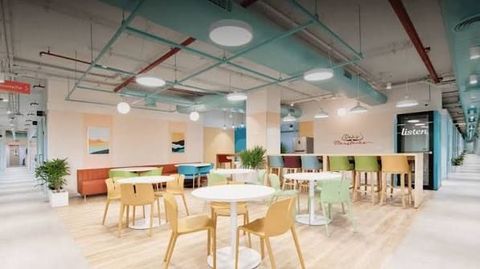
Coworking Spaces Guide: Explore Types, Facilities, Workspaces, Benefits & Key Considerations
Updated: September 14, 2026
Read More
Learn Trading Fundamental: Discover Market Terminology, Risk Awareness & Helpful Resources
Updated: August 19, 2026
Read More