Complete Marine Propulsion Guide: Explore Engines, Propellers, Drive Systems & Marine Technologies
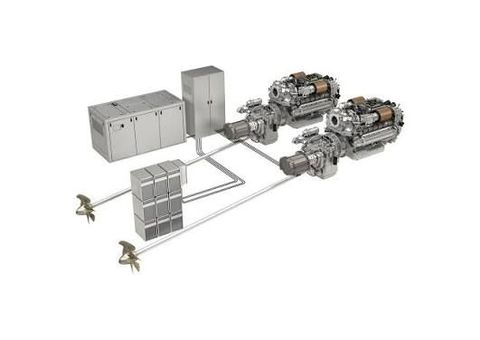
Marine propulsion is the technology used to generate the thrust required to move a vessel through water. A complete propulsion system can involve an engine or another power source, transmission equipment, shafting, propellers or other propulsors, control systems and supporting machinery.
The propulsion arrangement varies according to vessel size, speed, operating environment and intended application. Large commercial ships commonly use highly efficient diesel propulsion, while ferries, workboats and newer vessels may use electric, hybrid or other advanced systems.
Understanding the relationship between engines, propellers and drive systems provides a useful foundation for understanding modern marine technology.
What Is Marine Propulsion?
A marine propulsion system converts stored or supplied energy into useful thrust.
A conventional system can be represented as:
Energy Source
     ↓
Marine Engine
     ↓
Drive / Transmission
     ↓
Propeller Shaft
     ↓
Propeller
     ↓
Thrust
     ↓
Vessel Movement
Alternative systems may replace the conventional engine-and-shaft arrangement with electric motors, waterjets, pods or other propulsion technologies.
Main Components of Marine Propulsion
Marine Engine
The engine is the primary power source in many conventional propulsion systems.
Marine engines are designed for demanding operating conditions and can provide the continuous power required for vessel operation.
Gearbox
A marine gearbox transfers power between the engine and propulsion system while adjusting rotational speed and torque when required.
Shafting
The propeller shaft transfers rotational power from the drive system to the propeller.
Propeller
The propeller converts rotational energy into thrust by interacting with the surrounding water.
Bearings
Bearings support rotating shafts and help maintain alignment during operation.
Couplings
Couplings connect rotating components and accommodate mechanical requirements between different parts of the propulsion train.
Control System
Control systems regulate engine output, propeller characteristics, motor operation and other propulsion parameters.
Marine Propulsion Engines
Several engine types are used in marine applications.
Slow-Speed Diesel Engines
Large commercial vessels frequently use slow-speed diesel engines.
They are designed for:
- High continuous power
- Long operating periods
- Efficient propulsion
- Direct-drive arrangements
These engines are particularly suited to large vessels traveling long distances.
Medium-Speed Diesel Engines
Medium-speed engines can provide a flexible solution for various marine applications.
They may be connected to propellers through reduction gearboxes or used to drive generators in diesel-electric systems.
High-Speed Diesel Engines
High-speed marine diesel engines are commonly found in smaller vessels where compact dimensions and responsive power delivery are important.
Applications can include:
- Workboats
- Patrol vessels
- Smaller commercial vessels
- Recreational boats
Gas Turbines
Gas turbines can produce substantial power from relatively compact machinery.
They are particularly associated with applications where high power-to-weight ratios and high vessel speeds are important.
Marine Propeller Technology
The propeller remains one of the most widely used marine propulsion devices.
A conventional propeller consists of:
- Hub
- Blades
- Shaft connection
As the propeller rotates, its blades generate a pressure difference in the water and produce thrust.
Fixed-Pitch Propellers
A fixed-pitch propeller has blades with a fixed pitch.
Propulsion output is primarily controlled through changes in rotational speed.
Advantages can include:
- Mechanical simplicity
- Established technology
- Straightforward operation
- Broad applicability
Controllable-Pitch Propellers
A controllable-pitch propeller allows the blade angle to be adjusted during operation.
This can provide greater control over thrust and vessel speed.
Such systems can be useful for vessels requiring frequent changes in operating conditions or maneuvering requirements.
Twin-Propeller Systems
Some vessels use two propellers rather than one.
Twin-propeller arrangements can provide:
- Increased propulsion capability
- Redundancy
- Maneuverability
- Flexible power distribution
The exact benefits depend on vessel design.
Waterjet Propulsion
Waterjet propulsion uses a pump to draw in water and accelerate it through a nozzle.
The resulting high-speed water flow generates thrust.
Waterjets are commonly associated with:
- High-speed vessels
- Passenger ferries
- Patrol boats
- Specialized craft
They can also provide useful maneuverability at appropriate operating speeds.
Azimuth Propulsion
An azimuth propulsion system can rotate the propulsor around a vertical axis.
This allows thrust to be directed without relying solely on a conventional rudder.
Azimuth systems are used in applications such as:
- Tugboats
- Offshore vessels
- Workboats
- Specialized ships
Their ability to direct thrust can provide significant maneuverability.
Podded Propulsion
Podded propulsion places the electric motor and propeller in a pod located outside the hull.
The pod can rotate to direct thrust.
This arrangement can combine electric propulsion with strong maneuverability and flexible machinery placement.
Marine Drive Systems
The drive system transfers power from the prime mover to the propulsor.
Several arrangements are used.
Direct Drive
In a direct-drive system, the engine is connected relatively directly to the propeller shaft.
Large slow-speed diesel engines are particularly well suited to this arrangement.
Geared Drive
A geared system uses a gearbox between the engine and propeller shaft.
The gearbox can reduce engine speed to a rotational speed appropriate for the propeller.
Diesel-Electric Drive
In a diesel-electric arrangement, diesel engines drive generators rather than directly turning the propeller.
Electricity is then supplied to propulsion motors.
Diesel Engine
     ↓
Generator
     ↓
Electrical Power
     ↓
Electric Motor
     ↓
Propeller
This configuration can provide flexibility in machinery arrangement and electrical power distribution.
Electric Marine Propulsion
Electric propulsion uses electric motors to generate the rotational power needed to drive a propeller or another propulsor.
Electrical power can come from:
- Batteries
- Generators
- Fuel cells
- Hybrid systems
- Shore charging
Electric propulsion can provide precise motor control and flexible equipment placement.
Battery-Electric Propulsion
Battery-electric vessels store energy in rechargeable battery systems.
A typical arrangement includes:
- Battery packs
- Power electronics
- Electric motors
- Propulsion controls
- Charging equipment
This technology can be particularly suitable for vessels with predictable routes and suitable charging infrastructure.
Hybrid Marine Propulsion
Hybrid propulsion combines different power sources.
A system may combine:
- Diesel engines
- Electric motors
- Batteries
- Generators
- Energy-management systems
Hybrid technology can allow vessels to use different power sources according to operating conditions.
For example, battery power may be useful during selected low-speed operations, while an engine can provide additional power when required.
Fuel Cell Marine Propulsion
Fuel cells generate electricity through an electrochemical process.
Hydrogen fuel-cell technology is being explored and used in selected marine applications.
Potential advantages include:
- Electric propulsion
- Low local emissions during operation
- Modular system configurations
However, fuel storage, infrastructure, system efficiency and vessel requirements remain important considerations.
Nuclear Marine Propulsion
Nuclear propulsion uses a nuclear reactor as its energy source.
Heat from the reactor can produce steam that drives turbines.
Nuclear propulsion is mainly associated with specialized applications such as certain naval vessels and icebreakers.
Marine Propulsion Efficiency
Efficiency is an important factor in marine propulsion.
Overall propulsion performance depends on several interconnected areas:
- Engine efficiency
- Transmission efficiency
- Propeller efficiency
- Hull design
- Vessel speed
- Operating conditions
A highly efficient engine cannot necessarily compensate for an inefficient propeller or unsuitable hull characteristics.
Propeller and Hull Interaction
The propeller operates within the water flow created by the vessel's hull.
Hull design therefore influences propulsion performance.
Factors can include:
- Hull shape
- Water resistance
- Propeller position
- Vessel speed
- Water flow around the stern
Marine engineers consider these factors when developing an integrated propulsion arrangement.
Marine Propulsion Control Systems
Modern propulsion systems use control technologies to manage performance.
Control functions may include:
- Engine speed management
- Propeller pitch adjustment
- Motor control
- Power distribution
- Alarm monitoring
- System diagnostics
Electronic control systems can also connect propulsion machinery with broader vessel-management systems.
Marine Propulsion Monitoring
Sensors can monitor important operating parameters.
These can include:
- Engine temperature
- Lubricating-oil pressure
- Shaft speed
- Fuel consumption
- Vibration
- Electrical power
- Battery status
Digital monitoring can provide operators and maintenance teams with useful information about system performance.
Marine Propulsion Maintenance
Propulsion machinery operates in demanding environments and requires appropriate maintenance.
Common maintenance activities can involve:
- Engine inspections
- Oil and filter checks
- Cooling-system inspection
- Shaft alignment checks
- Propeller inspection
- Bearing inspection
- Gearbox maintenance
- Electrical-system checks
The exact maintenance schedule depends on equipment type and manufacturer requirements.
Marine Propulsion for Different Vessel Types
Container Ships
Large container ships generally require powerful and efficient propulsion systems suitable for long-distance operation.
Tankers
Tankers require propulsion systems capable of moving large vessels while supporting extended operating periods.
Ferries
Ferries may use diesel, diesel-electric, hybrid, battery-electric or waterjet systems depending on route and vessel design.
Tugboats
Tugboats require high maneuverability and strong thrust. Azimuth propulsion is commonly used in modern tug designs.
Offshore Vessels
Offshore vessels can benefit from propulsion systems that provide precise maneuverability and flexible power management.
Naval Vessels
Naval vessels can use combinations of diesel engines, gas turbines, electric systems and, for selected vessels, nuclear propulsion.
Recreational Boats
Smaller boats can use compact diesel or petrol engines, electric propulsion systems and various shaft, stern-drive or outboard configurations.
Marine Propulsion and Environmental Technology
Environmental requirements are influencing marine propulsion development.
Areas of technological development include:
- More efficient engines
- Alternative fuels
- Battery-electric propulsion
- Hybrid systems
- Fuel cells
- Energy-management systems
- Improved propeller designs
The appropriate technology depends on the vessel, route, available infrastructure and applicable regulations.
Alternative Marine Fuels
The maritime industry is investigating various fuel options and energy pathways.
These can include:
- Methanol
- Hydrogen
- Ammonia
- Biofuels
- Liquefied natural gas in selected applications
Each option has different characteristics involving energy density, storage, infrastructure, emissions and safety considerations.
Digital Marine Propulsion
Digital technology is becoming increasingly important in marine propulsion.
Modern systems can incorporate:
- Real-time sensors
- Remote monitoring
- Automated controls
- Data analytics
- Condition monitoring
- Predictive maintenance
These technologies can help operators understand machinery performance and identify maintenance requirements.
Marine Propulsion and Automation
Automation can coordinate multiple propulsion functions.
For example, an integrated system may monitor engine parameters, adjust propulsion output and manage electrical loads.
Automation can be especially useful in complex propulsion arrangements involving multiple engines, generators and electric motors.
Marine Propulsion Selection Factors
Choosing a propulsion system requires consideration of the complete vessel.
Vessel Size
Large vessels generally require high propulsion power.
Required Speed
High-speed vessels may require different propulsion technologies from slow-speed commercial ships.
Operating Route
A vessel's route influences fuel consumption, endurance and infrastructure requirements.
Maneuverability
Tugboats and offshore vessels may prioritize directional thrust and precise control.
Energy Source
Available fuel, electricity or alternative energy infrastructure can influence system selection.
Maintenance
Equipment availability and technical support are important for long-term operation.
Environmental Requirements
Applicable emissions and environmental requirements should be considered during system planning.
Marine Propulsion: Engine vs Electric Motor
| Feature | Marine Engine | Electric Motor |
|---|---|---|
| Energy source | Fuel | Electricity |
| Typical use | Conventional propulsion | Electric and hybrid systems |
| Power generation | Mechanical combustion | Electrical-to-mechanical conversion |
| Control | Engine and transmission controls | Electronic motor controls |
| Infrastructure | Fuel storage and supply | Battery, generator or charging infrastructure |
| Common applications | Commercial and recreational vessels | Ferries, specialized vessels and hybrid systems |
Marine Propulsion Technology Comparison
| Propulsion Type | Main Characteristic | Typical Applications |
|---|---|---|
| Diesel direct drive | Efficient mechanical propulsion | Large commercial ships |
| Geared diesel | Flexible engine-propeller relationship | Various vessels |
| Diesel-electric | Electrical power transmission | Ferries, offshore and specialized vessels |
| Waterjet | High-speed thrust | Fast vessels |
| Azimuth | Directional thrust | Tugboats and workboats |
| Battery-electric | Stored electrical energy | Suitable short-route vessels |
| Hybrid | Multiple power sources | Various modern vessels |
| Fuel cell | Electrochemical electricity generation | Emerging marine applications |
| Nuclear | Reactor-based energy | Specialized vessels |
Challenges in Marine Propulsion
Marine propulsion systems must operate under demanding conditions.
Harsh Environment
Saltwater, humidity, vibration and changing temperatures can affect equipment.
High Power Requirements
Large vessels require substantial continuous propulsion power.
Maintenance Requirements
Mechanical and electrical systems need regular inspection.
Infrastructure
Alternative propulsion technologies may require specialized charging or fueling infrastructure.
System Complexity
Hybrid and electric systems can involve sophisticated electrical and control components.
Future of Marine Propulsion
The future marine propulsion landscape is likely to involve multiple technologies rather than one universal solution.
Important trends include:
- Electrification
- Hybrid propulsion
- Alternative fuels
- Advanced batteries
- Fuel-cell systems
- Digital monitoring
- Automated power management
- More efficient propellers
- Improved hull-propulsion integration
Large ocean-going vessels and smaller coastal vessels may follow different technology pathways because their energy and operational requirements differ.
Frequently Asked Questions
What is marine propulsion?
Marine propulsion is the technology used to generate thrust and move a vessel through water.
What is the main component of a conventional marine propulsion system?
A conventional system generally includes a marine engine, transmission or gearbox, shafting and propeller, along with supporting control and auxiliary equipment.
What type of engine is commonly used in large ships?
Large commercial ships commonly use diesel engines, including slow-speed engines designed for efficient continuous propulsion.
What is a marine propeller?
A marine propeller is a rotating device that converts mechanical power into thrust by interacting with surrounding water.
What is a fixed-pitch propeller?
A fixed-pitch propeller has blades with a fixed pitch. Vessel propulsion output is primarily controlled through propeller rotational speed.
What is a controllable-pitch propeller?
A controllable-pitch propeller allows the blade angle to be adjusted, providing additional control over thrust.
What is diesel-electric propulsion?
Diesel-electric propulsion uses diesel engines to generate electricity, which then powers electric propulsion motors.
What is hybrid marine propulsion?
Hybrid propulsion combines multiple power sources or propulsion technologies, such as diesel engines, electric motors and batteries.
What is an azimuth thruster?
An azimuth thruster can rotate around a vertical axis, allowing thrust to be directed in different directions for improved maneuverability.
Are electric propulsion systems used in marine vessels?
Yes. Electric propulsion is used in various marine applications, including selected ferries, specialized vessels and hybrid systems.
What factors affect marine propulsion efficiency?
Engine efficiency, transmission losses, propeller design, hull characteristics, vessel speed and operating conditions can all influence propulsion efficiency.
Conclusion
Marine propulsion combines engines, propellers, drive systems, electrical equipment and control technologies to generate the thrust required for vessel movement. Conventional diesel propulsion remains important for many commercial vessels, while electric, hybrid and alternative-energy systems are expanding in suitable applications.
Propellers remain a fundamental propulsion technology, with fixed-pitch, controllable-pitch, twin-propeller and specialized arrangements available for different vessel requirements. Waterjets, azimuth thrusters and podded propulsion provide additional options where speed or maneuverability is particularly important.
Modern marine propulsion is increasingly connected with digital monitoring, automation, electrification and energy-management technologies. Selecting an appropriate system requires consideration of vessel size, speed, route, endurance, maneuverability, energy infrastructure, maintenance and environmental requirements.
Understanding the complete propulsion chain—from the energy source and engine to the drive system and final propulsor—helps provide a clearer picture of how marine vessels are powered and how propulsion technologies are evolving.
Disclaimer: This article is intended for general informational and educational purposes only. Marine propulsion systems, vessel specifications, fuel requirements, technologies and applicable regulations vary by vessel type, manufacturer and jurisdiction. Technical design, installation, maintenance and operational decisions should be based on applicable maritime standards, manufacturer documentation and qualified marine engineering expertise.
Lavit
Our content is designed to attract, persuade, and convert your audience. We help brands grow through strategic, audience-first writing.
September 07, 2026 . 8 min read
Related Post...
Economy Car Rentals in Greece Guide: Explore Vehicle Options, Travel Tips & Expert Insight
By: Lavit
Updated: September 07, 2026
Read More
Learn Trading Fundamental: Discover Market Terminology, Risk Awareness & Helpful Resources
By: Lavit
Updated: August 19, 2026
Read More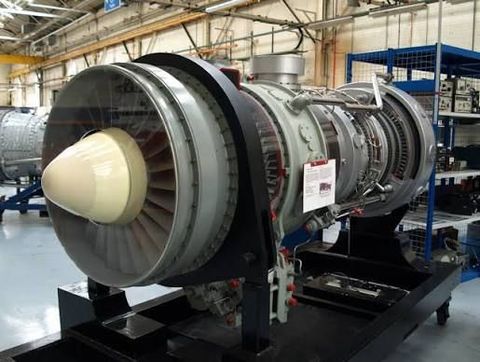
Complete Marine Propulsion Guide: Explore Engines, Propellers, Drive Systems & Marine Technologies
By: Lavit
Updated: September 07, 2026
Read More