Traditional CRM systems were often limited to office networks and required complex hardware setups. Cloud based CRM software emerged to solve these limitations by centralizing customer data in secure online environments. This shift supports distributed teams, mobile workflows, and real-time collaboration.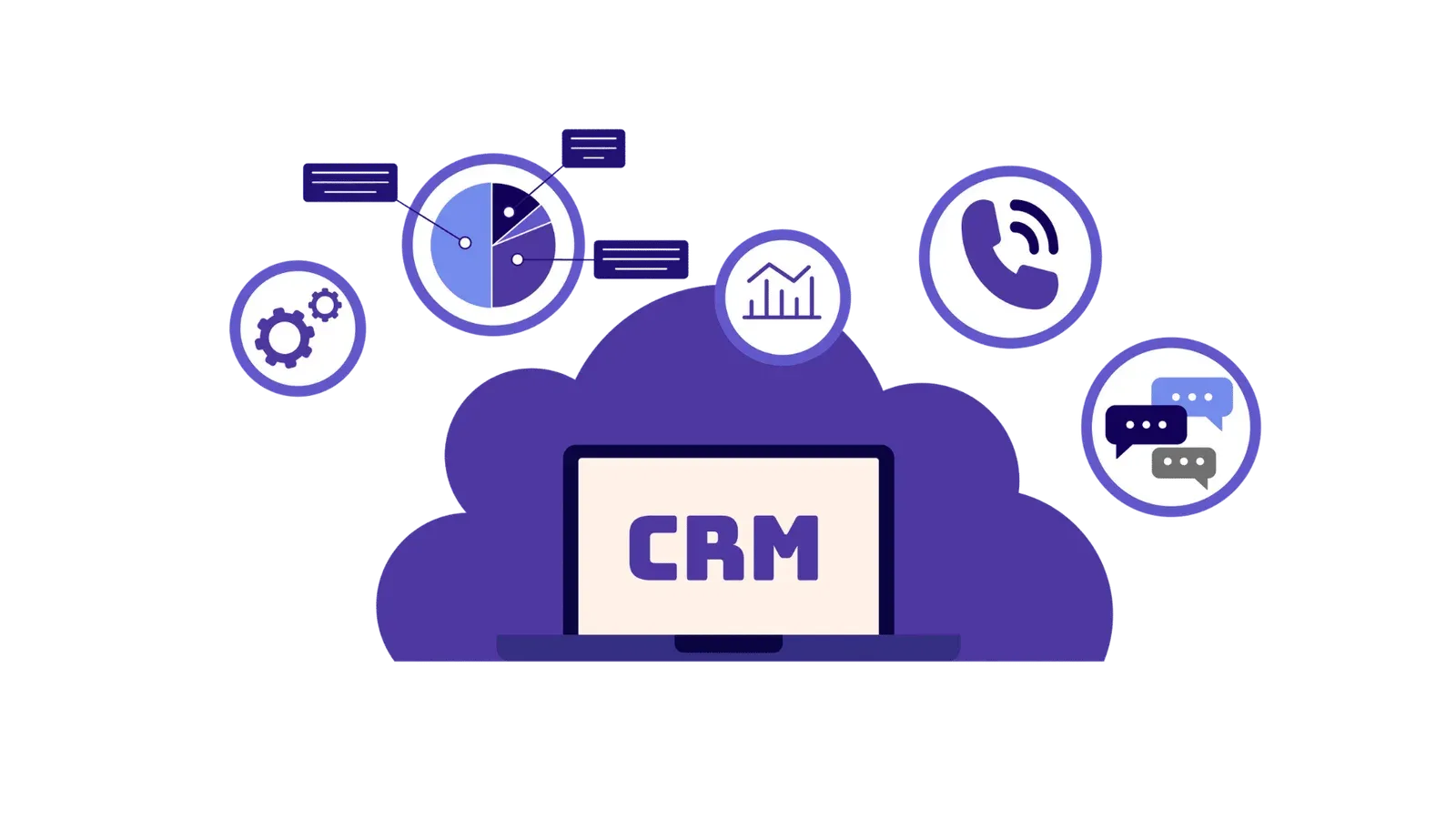
At its core, cloud CRM software focuses on organizing customer interactions, sales activities, support records, and communication histories in one place. By connecting teams to shared data, it enables consistent engagement across departments while supporting flexible work environments.
Importance: Why Cloud CRM Platforms Matter for Modern Organizations
Cloud based CRM software plays a significant role in today’s digital workplace. It affects sales teams, customer support staff, marketing professionals, managers, and business owners who rely on accurate customer information to make decisions.
Key reasons cloud CRM platforms are widely adopted include:
-
Anywhere access: Teams can review customer data from offices, remote locations, or mobile devices
-
Centralized information: All customer interactions remain organized in one system
-
Collaboration support: Multiple departments can work from the same data source
-
Operational visibility: Managers gain clearer insight into pipelines and engagement activity
-
Scalable usage: Platforms adapt as organizations grow or workflows change
Cloud CRM software also helps address common challenges such as data silos, delayed reporting, and inconsistent customer communication. By providing shared visibility, these platforms support smoother coordination across teams.
Industries including technology, real estate, professional consulting, healthcare administration, and retail operations increasingly depend on cloud based CRM software to maintain continuity in customer management.
Recent Updates: Trends Shaping Cloud CRM Software Adoption
Recent developments in cloud based CRM software focus on flexibility, automation, and data intelligence rather than basic functionality.
Key trends observed in recent periods include:
-
AI-assisted analytics: CRM platforms increasingly provide predictive insights based on customer behavior
-
Mobile-first design: Interfaces are optimized for smartphones and tablets to support remote teams
-
Workflow automation: Routine tasks such as follow-ups and data entry are handled automatically
-
Integrated communication: Email, messaging, and meeting tools connect directly within CRM dashboards
-
Enhanced security frameworks: Identity management and encrypted data handling continue to improve
These updates reflect how cloud CRM software is evolving from simple contact management into comprehensive relationship intelligence systems.
Laws or Policies: Data Protection and Digital Compliance Considerations
Cloud based CRM software operates under data protection and digital governance frameworks that regulate how customer information is stored and accessed. While specific rules vary by country, several common regulatory areas influence CRM deployment.
Typical compliance considerations include:
-
Personal data protection laws: Rules governing how customer information is collected and processed
-
Consent management requirements: Guidelines for storing communication preferences
-
Cybersecurity standards: Frameworks ensuring secure access and data transmission
-
Digital business regulations: Policies encouraging responsible cloud adoption
Organizations using cloud CRM platforms must align their data practices with applicable privacy and security guidelines to ensure responsible information handling.
Tools and Resources: Platforms and Utilities Supporting Cloud CRM Usage
A variety of tools help users understand, configure, and operate cloud based CRM software effectively.
Common resources include:
-
CRM analytics dashboards for performance tracking
-
Data migration utilities to move records from legacy systems
-
Workflow mapping templates for process planning
-
User adoption guides explaining core CRM functions
-
Integration connectors linking CRM platforms with accounting or communication tools
These tools support smoother onboarding and help teams maximize the value of cloud CRM software.
Common Types of Cloud CRM Platforms and Their Focus Areas
Cloud CRM software is typically categorized based on functional emphasis.
| CRM Category | Primary Focus | Typical Use Case |
|---|---|---|
| Operational CRM | Sales and customer interaction tracking | Pipeline visibility |
| Analytical CRM | Data analysis and reporting | Performance insights |
| Collaborative CRM | Cross-team communication | Shared customer context |
| Mobile CRM | On-the-go access | Remote field teams |
Understanding these categories helps organizations align CRM functionality with business objectives.
Key Functional Areas in Cloud CRM Software
Beyond platform categories, cloud CRM software is defined by core functional areas that support everyday operations.
| Function Area | Purpose | Example Outcome |
|---|---|---|
| Contact management | Centralized customer records | Consistent communication |
| Sales tracking | Opportunity monitoring | Forecast clarity |
| Activity logging | Interaction history | Better follow-ups |
| Reporting dashboards | Data visualization | Decision support |
These functional components form the backbone of most cloud CRM platforms.
FAQs: Common Questions About Cloud Based CRM Software
What is cloud based CRM software?
Cloud based CRM software is a customer relationship management system hosted online, allowing users to access customer data through internet-connected devices.
How does cloud CRM support remote work?
It provides centralized access to customer records, enabling teams to collaborate from different locations using the same information.
Is cloud CRM suitable for small and large organizations?
Yes. Cloud CRM platforms scale easily and support a wide range of operational sizes.
What types of data are stored in cloud CRM systems?
They typically store contact details, communication history, sales activities, and customer engagement records.
How does cloud CRM differ from on-premise CRM?
Cloud CRM runs on external servers and is accessed online, while on-premise CRM is hosted locally within an organization’s infrastructure.
Conclusion: The Role of Cloud Based CRM Software in Flexible Work Environments
Cloud based CRM software has become a foundational tool for managing customer relationships in distributed and digital workplaces. By centralizing information and enabling access from anywhere, it supports collaboration, transparency, and informed decision-making. As organizations continue adopting remote and hybrid work models, cloud CRM software remains central to maintaining consistent customer engagement and operational clarity.