Civil engineering basics cover subjects such as structural analysis, construction materials, surveying, soil mechanics, foundations, transportation, water systems, and environmental considerations. These principles help explain how infrastructure is planned and how engineering decisions influence safety, stability, durability, and everyday use.
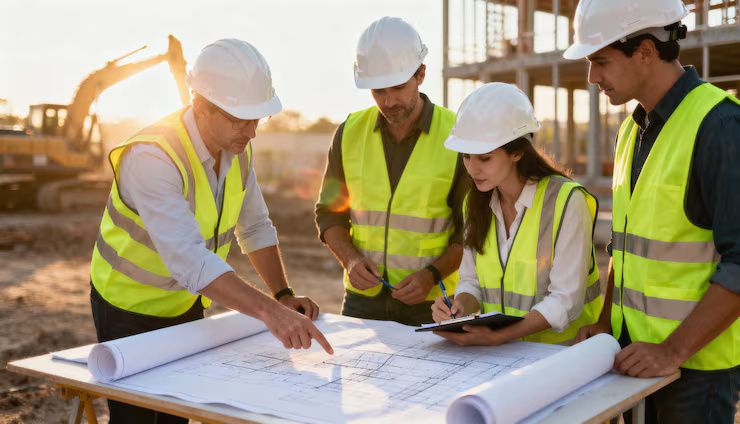
Civil engineering design and construction involve both technical knowledge and practical planning. A project may begin with land surveys and site investigations before moving through structural design, drawings, material selection, approvals, construction, inspection, and maintenance. Understanding these stages provides a useful introduction to the methods and principles used across the civil engineering field.
Context
Civil engineering has developed alongside the growth of settlements, transportation networks, water systems, and public infrastructure. Early engineering practices focused on practical needs such as roads, bridges, irrigation, drainage, and buildings. Modern civil engineering uses mathematics, physics, geology, computer-based analysis, materials science, environmental studies, and established technical standards.
The purpose of civil engineering is to create and maintain infrastructure that can perform its intended function under expected conditions. Engineers consider factors such as structural loads, soil characteristics, weather, water movement, material behavior, human use, environmental effects, and the expected lifespan of a structure.
Civil engineering includes several specialized areas:
| Area | Main Focus | Examples |
|---|---|---|
| Structural Engineering | Strength and stability | Buildings, bridges, towers |
| Geotechnical Engineering | Soil and foundations | Foundations, retaining structures |
| Transportation Engineering | Movement systems | Roads, highways, railways |
| Water Resources Engineering | Water management | Drainage, canals, flood control |
| Environmental Engineering | Environmental protection | Wastewater and pollution control |
| Construction Engineering | Project execution | Site work and construction planning |
Civil engineering design typically progresses from an understanding of project requirements to site investigation, preliminary design, detailed calculations, drawings, specifications, construction, inspection, and maintenance. The exact process varies according to the type and scale of the project.
Importance
Civil engineering affects the safety and functionality of infrastructure used every day. Residential buildings, schools, hospitals, roads, bridges, drainage networks, water systems, and public structures all depend on appropriate planning and engineering principles.
A well-planned project considers the interaction between different components. For example, foundation conditions can affect structural design, while drainage planning can influence site layout and long-term building performance.
Civil engineering also affects several groups, including property owners, residents, architects, planners, engineers, construction teams, government authorities, infrastructure users, and surrounding communities.
Important considerations commonly include:
- Site conditions and ground investigation
- Structural stability
- Material selection and testing
- Drainage and water management
- Construction quality
- Fire and life safety
- Environmental considerations
- Accessibility
- Long-term durability
- Construction-site safety
Infrastructure must also respond to local environmental conditions. Depending on location, engineers may need to consider earthquakes, flooding, cyclones, high temperatures, soil movement, groundwater, or other hazards.
Recent Updates
The 2024–2026 period has seen continued development in construction standards, digital engineering, sustainability, and infrastructure resilience.
One significant development in India occurred in April 2026. The Bureau of Indian Standards notified SP 7:2026, National Building Construction Standards 2026, on April 30, 2026. The notification also stated that SP 7:2016 was withdrawn from that date. This update is relevant to professionals and organizations working with building design, construction, planning, and technical standards.
Digital technologies are also becoming increasingly important in civil engineering. Building Information Modelling can help coordinate architectural, structural, and building-system information. Geographic Information Systems can support mapping and site analysis, while digital surveying equipment can improve the collection and management of spatial information.
Other developments include greater attention to:
- Climate-resilient infrastructure
- Resource-efficient construction
- Digital project coordination
- Building information management
- Advanced surveying techniques
- Construction quality monitoring
- Sustainable materials and practices
BIS has continued updating construction-related standards during this period. Such revisions can affect materials, structural practices, testing procedures, and other technical aspects of construction. Engineers should consult the latest applicable standards rather than relying on older editions.
Laws or Policies
Civil engineering projects in India may be subject to national laws, technical standards, state regulations, local development rules, environmental requirements, and project-specific approvals. The applicable requirements depend on factors such as location, land use, building type, project scale, and environmental impact.
The National Building Code framework provides technical guidance for various aspects of building construction. Local authorities may adopt and enforce applicable provisions through their building regulations and approval processes.
The Real Estate (Regulation and Development) Act, 2016 is relevant to qualifying real estate projects. The legislation includes provisions concerning project registration, promoter responsibilities, sanctioned plans, specifications, and the rights and duties of allottees.
Environmental requirements can also apply to certain development projects. The PARIVESH platform provides information related to environmental clearance processes, notifications, circulars, and environmental regulations.
Depending on the project, other regulatory areas may include:
- Local building regulations
- Development control rules
- Fire safety requirements
- Structural safety provisions
- Environmental permissions
- Water and wastewater regulations
- Land-use requirements
- Construction and demolition waste rules
Regulations can change over time, so project teams should verify current requirements with the relevant authority before finalizing designs or commencing regulated work.
Tools and Resources
Civil engineering students and professionals use a wide range of resources to understand design principles, perform calculations, prepare drawings, and check technical requirements.
Useful resources include the Bureau of Indian Standards for technical standards, India Code for central legislation, PARIVESH for environmental information, and Central Public Works Department resources for technical references and construction-related documents.
Common digital tools include computer-aided design software, Building Information Modelling platforms, Geographic Information Systems, structural analysis programs, surveying applications, spreadsheet calculators, and project documentation systems.
For basic learning and technical work, useful resources can include:
- Structural and engineering calculators
- Unit-conversion tools
- Concrete and steel reference tables
- Surveying references
- Material testing references
- Standard drawing templates
- Construction planning templates
- GIS and mapping platforms
- Building information modelling resources
The choice of tool depends on the project requirements. A simple engineering calculation may require only a verified formula and calculator, while a large infrastructure project may involve coordinated digital models, geospatial data, structural analysis, and extensive project documentation.
FAQs
What are the basics of civil engineering?
Civil engineering basics include structural engineering, geotechnical engineering, surveying, construction materials, foundations, transportation, water resources, environmental engineering, and construction management.
Why is civil engineering important in construction?
Civil engineering helps determine how structures and infrastructure should be planned, designed, constructed, and maintained. It supports considerations related to strength, stability, safety, durability, site conditions, and environmental factors.
What is the role of site investigation?
Site investigation provides information about soil, rock, groundwater, topography, and other ground conditions. Engineers use this information when evaluating foundations and other aspects of civil engineering design.
What are recent civil engineering trends?
Recent trends include digital modelling, advanced surveying, sustainability, climate resilience, improved construction monitoring, and updated technical standards. The notification of SP 7:2026 in India is an important recent standards development.
Which resources are useful for learning civil engineering?
Beginners can use technical standards, government publications, engineering textbooks, calculators, drawing tools, surveying resources, and educational materials from recognized technical institutions and authorities.
Conclusion
Civil engineering combines scientific principles, technical standards, planning, and practical construction knowledge to develop buildings and infrastructure. Understanding its basic disciplines helps explain how projects respond to structural, geological, environmental, and functional requirements.
Recent developments have increased the importance of digital engineering, sustainability, resilience, and regularly updated construction standards. Staying familiar with applicable regulations and technical references is an important part of responsible civil engineering practice.
For beginners, learning fundamental concepts in mathematics, materials, structural behavior, surveying, soil mechanics, and construction methods provides a strong foundation for further study.
For project teams, careful site investigation, appropriate design procedures, accurate documentation, regulatory review, and construction quality control remain important throughout the project lifecycle.