China's Industrial Machinery and Equipment: A Complete Overview for Buyers
China industrial machinery is the equipment that factories use to cut, shape, press, weld, pack, and move materials. People search for it to understand what types exist, how the sector developed, and what rules apply when such equipment is imported. This guide explains the basics in simple terms for readers in India and elsewhere.
Key Takeaways
- China is among the world's largest producers and users of machine tools.
- Machinery ranges from manual presses to automated lines with sensors and software.
- Imported machinery in India must meet customs, safety, and quality rules.
- Rules change often, so official government sources should be checked directly.
Related Searches
- what is industrial machinery
- how are CNC machines made
- industrial equipment from China explained
- machinery import rules in India
- CNC machine vs manual machine difference
- types of factory machines for beginners
In This Guide
- What Is China Industrial Machinery and Where Did It Come From?
- Why Does Industrial Equipment from China Matter Today?
- Recent Updates: How Is Machinery Manufacturing Changing?
- What Are the Machinery Import Rules in India?
- CNC Machine vs Manual Machine: Quick Comparison Table
- Tools and Resources for Learning More
- FAQs
- Conclusion
What Is China Industrial Machinery and Where Did It Come From?
China industrial machinery covers metal-cutting tools, textile machines, food-processing lines, construction equipment, plastics machines, and packaging systems. These machines are made in factories and then used in other factories to produce everyday goods.
The sector grew after the country opened its economy in the late 1970s and early 1980s. Early factories made basic lathes and presses, often based on foreign designs. Over several decades, domestic firms built engineering teams, supplier networks, and testing facilities.
How does industrial machinery manufacturing work in China?
Production is concentrated in industrial clusters. Provinces such as Jiangsu, Zhejiang, Guangdong, and Shandong are known for different machine types, because makers of castings, motors, and electronics sit close together. This closeness shortens the time between design and finished equipment.
Why Does Industrial Equipment from China Matter Today?
Machines sit behind many ordinary products, including clothing, packaged food, car parts, and furniture. Small workshops in India, for example, often use imported presses, CNC machine tools, and packaging lines alongside domestic equipment.
Who is affected?
- Small and mid-sized manufacturers choosing equipment for production lines
- Engineering students and technicians who operate or maintain machines
- Trade bodies and policy makers who track imports and domestic capacity
- Factory workers whose daily tasks depend on safe, reliable machines
What everyday problems does it address?
Machines reduce repetitive manual work and help keep product quality consistent. They also raise output volume and can lower physical strain on workers. Automated systems add measurement and recording, which helps factories trace faults.
Recent Updates: How Is Machinery Manufacturing Changing?
In recent years, several general trends have shaped the sector.
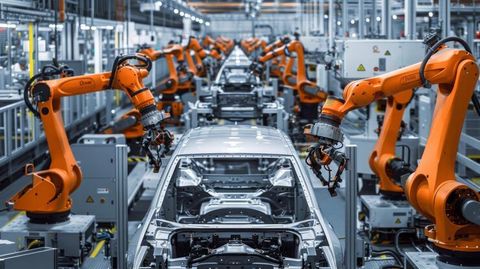
- Automation: More factories use industrial robots, automated guided vehicles, and sensor-based inspection.
- Software-driven controls: CNC machines increasingly connect to monitoring software that tracks output and maintenance needs.
- Energy efficiency: Electric drives and improved motors are replacing older, less efficient parts.
- Export growth: Machinery shipments to emerging markets, including South and Southeast Asia, have grown.
- Supply-chain changes: Many manufacturers now spread sourcing across several countries instead of relying on one.
Global buyers also ask for clearer safety documentation and testing records, which has pushed makers to improve their paperwork.
What Are the Machinery Import Rules in India?
Several authorities and programs affect imported machinery. The points below are general and may change, so current notifications should always be checked.
- Customs: Imports are classified under tariff headings, and duties and taxes depend on the classification. The Central Board of Indirect Taxes and Customs administers this.
- Foreign trade policy: The Directorate General of Foreign Trade sets import policy. Certain categories, such as used machinery, may face conditions or require authorization.
- Safety and quality: The Bureau of Indian Standards develops technical standards. A machinery safety order issued by the government introduces compliance requirements for specified machinery and electrical equipment, with phased timelines.
- Trade remedies: The Directorate General of Trade Remedies investigates unfair pricing and can recommend duties on certain imported goods.
- Domestic manufacturing support: The government has run schemes to strengthen the capital goods sector, aimed at building local design and production capacity.
- Investment rules: India has specific approval rules for investment from countries sharing a land border with it.
CNC Machine vs Manual Machine: Quick Comparison Table
| Feature | Manual Machine | CNC Machine | Robotic Production Line |
|---|---|---|---|
| Control method | Operator turns handles and dials | Computer program guides tools | Programmed robots with sensors |
| Typical use | Simple, one-off parts | Precise, repeatable parts | High-volume, repeated tasks |
| Operator skill | Hands-on craft skill | Programming and setup skill | System monitoring and integration |
| Setup time | Short for simple tasks | Longer for first programming | Longest, needs planning |
| Consistency | Varies with operator | High once programmed | High across many units |
| Maintenance needs | Mechanical upkeep | Mechanical and software upkeep | Mechanical, electrical, and software upkeep |
Tools and Resources for Learning More
- Bureau of Indian Standards website: Provides a catalogue of Indian standards and details on certification schemes.
- DGFT portal: Publishes foreign trade policy, notifications, and import procedures.
- ICEGATE portal: The customs electronic platform, which includes tariff and filing information.
- Indian Trade Portal: Gathers trade data and policy details in one place.
- Indian Machine Tool Manufacturers' Association: Publishes industry information and exhibition details for the machine tool sector.
- International Organization for Standardization: Maintains widely used machinery safety and quality standards.
FAQs
What is China industrial machinery used for?
It is used to make goods across many industries, including textiles, food, metals, plastics, packaging, and construction materials.
How does industrial equipment from China differ from domestic equipment in India?
Differences usually lie in design, available features, documentation, and compliance with local standards. Each machine should be judged on its own specifications and certification.
Are there machinery import rules in India that beginners should know?
Yes. Customs classification, import policy conditions, and safety standards apply. The official portals of the relevant authorities list the current requirements.
What is the difference between CNC machine tools and manual tools?
CNC machine tools follow computer programs for repeatable precision, while manual tools depend on an operator's direct control.
Is imported used machinery allowed in India?
Used machinery can face extra conditions, such as inspection or certification. Current rules are published by the foreign trade authority.
Conclusion
China industrial machinery spans a wide range of equipment, from simple presses to software-controlled production lines. The sector grew from basic manufacturing in the late twentieth century into a major part of global factory equipment. Recent trends include automation, connected controls, and energy-efficient designs. In India, imported machinery is subject to customs, trade policy, and safety standards that change over time. This article is general information, not professional advice.

Related Post...
Plasma Cutting Machines: Types, Working Principles, Uses & Safety Guide
Updated: November 27, 2026
Read More
Glass Manufacturers in China Explained: Quality, Cost and Lead Times
Updated: November 27, 2026
Read More