China Freight Forwarders: Your Complete Beginner’s Guide to Shipping from China
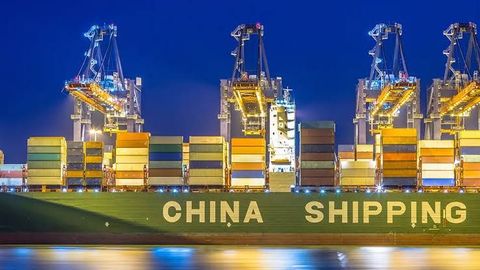
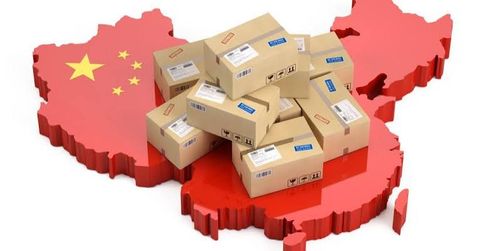
China freight forwarders play a central role in moving goods from Chinese factories to buyers around the world.
China Freight Forwarders: Your Complete Beginner’s Guide to Shipping from China
China freight forwarders play a central role in moving goods from Chinese factories to buyers around the world. Whether you are a small online seller or a larger importer, understanding how these specialists work can make international shipping clearer and less stressful. This guide explains what China freight forwarders do, the services they offer, and practical points to consider when choosing one—all in plain language for everyday readers.
What Are China Freight Forwarders?
A freight forwarder is a company that organizes the transportation of goods on behalf of shippers. China freight forwarders specialize in handling cargo that originates in China and travels to destinations across the globe. They do not usually own the ships, planes, or trucks themselves. Instead, they book space with carriers, prepare documents, arrange customs clearance, and coordinate the entire journey from factory to final destination.
These professionals act as a single point of contact. They help importers navigate complex rules, multiple transport modes, and changing schedules so that goods arrive in good condition and on time.
Why China Freight Forwarders Matter in Global Trade
China remains one of the world’s largest manufacturing and export hubs. Millions of products—from electronics and clothing to furniture and machinery—leave Chinese ports every year. Without experienced China freight forwarders, many businesses would struggle to manage the paperwork, carrier bookings, and logistics involved.
Freight forwarders reduce risk by handling details that can easily go wrong, such as incorrect customs declarations or missed sailing dates. They also help shippers compare options and select routes that balance cost, speed, and reliability. For newcomers to importing, working with a knowledgeable forwarder can prevent costly delays and unexpected fees.
Key Services Offered by China Freight Forwarders
China freight forwarders typically provide a range of services that cover the full shipping process. These services can be customized depending on the type of goods, destination country, and urgency.
Ocean freight remains the most common choice for large or heavy shipments because it is generally more economical for high-volume cargo. Air freight is faster and better suited to smaller, time-sensitive, or high-value items, though it usually costs more. Many forwarders also arrange multimodal transport that combines sea, air, and road or rail legs.
Additional services often include warehouse storage in China, cargo consolidation (combining smaller shipments into one container), export customs clearance, cargo insurance, and final-mile delivery in the destination country. Some China freight forwarders also offer tracking systems so clients can monitor their goods at every stage.
Ocean versus Air Options
| Aspect | Ocean Freight | Air Freight |
|---|---|---|
| Typical transit time | 15–40 days depending on route | 3–10 days |
| Best for | Heavy, bulky, or lower-value goods | Urgent, lightweight, high-value goods |
| Relative cost | Lower for large volumes | Higher overall |
| Environmental impact | Generally lower per unit | Higher per unit |
This simple comparison shows why many importers discuss both options with their China freight forwarders before deciding.
Benefits of Partnering with China Freight Forwarders
Working with a professional forwarder brings several practical advantages. First, they save time by managing bookings, documentation, and coordination with multiple parties. Second, they often have established relationships with shipping lines and airlines, which can translate into better space availability and more competitive rates. Third, experienced forwarders understand the specific requirements of different destination countries, helping reduce the chance of customs holds or unexpected charges.
Another benefit is flexibility. Good China freight forwarders can adjust plans when schedules change or when a shipment needs special handling, such as temperature control or oversized cargo. They also provide advice on packaging standards and labeling rules that help goods move smoothly through ports and airports.
How to Choose a Reliable China Freight Forwarder
Selecting the right partner starts with clear communication about your needs. Ask about the company’s experience with your product type and destination market. Check whether they hold relevant licenses and industry memberships. Request transparent quotes that break down costs rather than offering only a single total figure.
It is also useful to inquire about tracking tools, customer support availability, and how the company handles delays or damage claims. Reading recent client feedback and confirming that the forwarder has staff or partners in both China and your country can give extra confidence. Avoid choosing solely on the lowest price; reliability and clear communication usually matter more in the long run.
Common Challenges and Practical Tips
Shipping from China can involve long lead times, fluctuating fuel or surcharges, and strict documentation rules. Language differences and time-zone gaps sometimes slow responses. Seasonal peaks, such as before major holidays, can also tighten vessel space.
To manage these issues, plan ahead and share complete product details early. Keep digital copies of all documents. Confirm Incoterms (the rules that define who pays for which part of the journey) in writing. Maintaining open communication with your China freight forwarder helps resolve problems quickly when they arise.
Frequently Asked Questions
What documents do China freight forwarders usually need?
Common requirements include a commercial invoice, packing list, bill of lading or air waybill, and any product-specific certificates. Your forwarder will guide you on the exact list for your shipment and destination.
How long does shipping from China typically take?
Ocean freight often takes two to six weeks door-to-door, while air freight can take a few days to two weeks. Actual times depend on the route, customs processes, and chosen service level.
Can small businesses use China freight forwarders?
Yes. Many forwarders work with both large and small shippers. Consolidation services make it practical for smaller volumes by sharing container space with other cargo.
Are China freight forwarders responsible if goods are damaged?
Responsibility depends on the terms of the contract and any insurance purchased. Forwarders can arrange cargo insurance and help with claims, but it is important to clarify coverage before shipping.
Conclusion
China freight forwarders simplify the complex process of moving goods from Chinese suppliers to international markets. By handling logistics, documentation, and carrier coordination, they allow importers to focus on their core business. Understanding the main services, benefits, and selection criteria helps anyone new to importing make more informed decisions. Whether you ship occasionally or regularly, a reliable forwarder can turn a potentially complicated journey into a manageable one.

Related Post...

Video Advertising Platforms Guide for Marketers to Drive Best ROI
Updated: September 02, 2026
Read More
Ultrasound Machines Explained: A Complete Guide to Working Principles and Key Insights
Updated: July 17, 2026
Read More