Cold Chain Monitoring: Technology, Benefits, and Industry Applications
Maintaining the right temperature during storage and transportation is essential for protecting products that are sensitive to environmental conditions.
Pharmaceuticals, vaccines, biological samples, fresh food, dairy products, and certain chemicals require controlled temperatures to preserve their quality, safety, and effectiveness. Cold chain monitoring helps businesses maintain these conditions throughout the supply chain.
Cold chain monitoring involves tracking and recording environmental conditions, particularly temperature, during product storage, handling, and transportation. Modern monitoring systems use sensors, data loggers, wireless connectivity, and cloud-based platforms to provide real-time information about temperature conditions.
By identifying temperature variations and sending timely alerts, these systems help businesses reduce product damage, improve quality control, and maintain regulatory compliance. As pharmaceutical logistics and global food distribution continue to expand, cold chain monitoring has become an important part of modern supply chain management.
What Is Cold Chain Monitoring?
Cold chain monitoring is the process of continuously or periodically measuring and recording temperature and other environmental conditions throughout a temperature-controlled supply chain.
A cold chain is a coordinated system of refrigerated storage, transportation, handling procedures, and monitoring technologies designed to maintain products within specified environmental conditions.
Cold chain monitoring systems help businesses verify whether products have remained within their required temperature ranges.
Depending on the application, monitoring may include:
Temperature measurement
Humidity monitoring
Location tracking
Door opening detection
Equipment performance monitoring
Real-time alerts
Historical data recording
Environmental condition reporting
These systems are particularly important when products can lose quality or effectiveness after exposure to unsuitable temperatures.
Why Is Cold Chain Monitoring Important?
Temperature-sensitive products can deteriorate when exposed to conditions outside their recommended storage ranges. Monitoring helps identify these risks before they cause significant losses.
1. Maintaining Product Quality
Temperature changes can affect the chemical, physical, and biological properties of sensitive products.
Continuous monitoring helps businesses maintain suitable storage conditions and protect product quality throughout transportation and distribution.
2. Protecting Pharmaceutical Products
Many vaccines, medicines, biologics, and laboratory materials require carefully controlled storage conditions.
Cold chain monitoring helps pharmaceutical companies and healthcare providers identify temperature excursions that could affect product quality.
3. Reducing Product Waste
Temperature-related damage can result in discarded products and financial losses.
Monitoring systems help identify equipment problems, transportation delays, and environmental changes that may lead to product deterioration.
4. Improving Regulatory Compliance
Pharmaceutical, healthcare, and food industries operate under specific storage, transportation, and documentation requirements.
Accurate monitoring records help organizations demonstrate that appropriate temperature controls were maintained.
5. Improving Supply Chain Visibility
Real-time monitoring provides businesses with information about product conditions during transportation and storage.
This helps logistics teams identify problems, coordinate corrective actions, and improve delivery reliability.
How Does Cold Chain Monitoring Work?
Modern cold chain monitoring systems combine sensing devices, communication technologies, software platforms, and alert mechanisms.
1. Sensor Installation
Temperature sensors are installed inside refrigerators, freezers, cold rooms, refrigerated vehicles, shipping containers, or product packaging.
The sensor location should be selected carefully to provide measurements that represent the conditions experienced by the products.
2. Data Collection
Sensors measure temperature at predefined intervals or continuously, depending on the monitoring system.
Some devices also collect humidity, location, light exposure, and other environmental information.
3. Data Transmission
Collected information is transmitted to a monitoring platform through available communication technologies.
Common options include Wi-Fi, Bluetooth, cellular networks, and other wireless communication systems.
Some data loggers store measurements locally when connectivity is unavailable and transmit them later.
4. Data Analysis
Monitoring software displays temperature readings and compares them with predefined acceptable ranges.
The system may identify unusual changes, prolonged temperature excursions, or equipment performance issues.
5. Real-Time Alerts
If conditions move outside configured limits, the system can notify responsible personnel through email, text messages, mobile applications, or dashboard notifications.
This allows teams to investigate the issue and take appropriate corrective action.
6. Reporting and Documentation
Monitoring platforms maintain historical records that can be used for quality reviews, audits, investigations, and regulatory documentation.
Reports also help businesses identify recurring problems and improve cold chain performance.
Types of Cold Chain Monitoring Systems
Different monitoring technologies are used depending on the product, storage environment, transportation method, and operational requirements.
1. Temperature Data Loggers
Temperature data loggers record temperature measurements over a specific period.
They are commonly used in pharmaceutical shipments, refrigerated storage, food transportation, and laboratory environments.
Some models require manual data retrieval, while advanced versions provide wireless data transmission.
2. Wireless Temperature Monitoring Systems
Wireless monitoring systems use connected sensors to transmit temperature information to a central platform.
They reduce the need for manual inspection and provide more frequent visibility into storage and transportation conditions.
3. IoT-Based Cold Chain Monitoring
Internet of Things technology connects sensors, monitoring devices, and software platforms through communication networks.
IoT-based systems can provide real-time temperature tracking, remote monitoring, automated notifications, and centralized reporting.
4. GPS-Enabled Monitoring Systems
GPS-enabled systems combine location tracking with environmental monitoring.
They help logistics teams identify where temperature-sensitive shipments are located and review environmental conditions during transportation.
5. Cloud-Based Monitoring Platforms
Cloud-based platforms collect and store monitoring data in centralized systems.
Authorized users can access temperature information, alerts, and reports from different locations using connected devices.
6. Automated Facility Monitoring Systems
These systems are designed for cold rooms, pharmaceutical warehouses, laboratories, and other temperature-controlled facilities.
They monitor environmental conditions continuously and may integrate with refrigeration equipment and building management systems.
Key Components of a Cold Chain Monitoring System
A reliable monitoring solution depends on several connected components.
Temperature Sensors
Temperature sensors measure environmental conditions inside storage or transportation equipment.
They must be suitable for the required temperature range and provide appropriate measurement accuracy.
Data Loggers
Data loggers record sensor measurements and store them for later review or transmission.
They help maintain historical records of temperature conditions.
Wireless Communication Devices
Communication modules transfer information from sensors and data loggers to monitoring platforms.
The choice of technology depends on connectivity availability, range, power consumption, and operating conditions.
Monitoring Software
Monitoring software displays temperature measurements, historical trends, device status, and alert information.
It helps users review environmental conditions and manage monitoring activities.
Alarm and Notification Systems
Alert systems notify responsible personnel when temperature readings exceed configured limits or when monitoring equipment experiences a problem.
Calibration and Verification Tools
Calibration and verification procedures help confirm that monitoring devices provide reliable measurements.
These procedures are important for maintaining measurement confidence and supporting quality requirements.
Applications of Cold Chain Monitoring
Cold chain monitoring is used across several industries where temperature control is essential.
1. Pharmaceutical Industry
Pharmaceutical companies use cold chain monitoring to protect medicines, vaccines, biologics, and other temperature-sensitive products.
Monitoring systems help maintain suitable conditions during manufacturing, storage, transportation, and distribution.
2. Vaccine Distribution
Vaccines may require specific temperature conditions to maintain their quality.
Cold chain monitoring helps healthcare organizations track storage conditions in warehouses, refrigerators, transportation vehicles, and vaccination facilities.
Temperature excursions can be reviewed according to product-specific procedures before affected vaccines are used or released.
3. Food and Beverage Industry
Fresh produce, dairy products, meat, seafood, frozen foods, and other perishable products require suitable temperature conditions.
Monitoring helps businesses maintain food quality, reduce spoilage, and support food safety management.
4. Hospitals and Healthcare Facilities
Hospitals and healthcare laboratories store medicines, vaccines, blood products, and biological samples under controlled conditions.
Monitoring systems help healthcare teams identify temperature problems and maintain appropriate storage records.
5. Laboratory and Biotechnology Research
Research laboratories may store biological specimens, reagents, enzymes, and other sensitive materials at controlled temperatures.
Cold chain monitoring helps protect sample integrity and support reliable experimental results.
6. Chemical Industry
Certain chemicals and specialized materials require controlled storage and transportation conditions.
Monitoring systems help track temperature changes and identify potential storage-related risks.
Benefits of Cold Chain Monitoring
1. Real-Time Temperature Visibility
Connected monitoring systems provide frequent updates about storage and transportation conditions.
This helps businesses respond more quickly when environmental conditions change.
2. Reduced Product Losses
Early identification of temperature excursions can help prevent further exposure and reduce unnecessary product waste.
3. Improved Operational Efficiency
Automated monitoring reduces dependence on manual temperature checks and repetitive recordkeeping.
Staff can focus more on investigating exceptions and improving supply chain operations.
4. Better Regulatory Documentation
Electronic monitoring records provide supporting evidence for quality management activities, inspections, and audits.
5. Improved Customer Confidence
Reliable temperature management helps demonstrate that sensitive products are handled according to established requirements.
6. Better Equipment Management
Continuous monitoring can reveal recurring refrigeration problems, equipment failures, and unusual temperature patterns.
This information supports maintenance planning and operational improvement.
Factors to Consider When Choosing a Cold Chain Monitoring System
Selecting the right monitoring solution requires evaluating the products being handled and the operating environment.
Temperature Range and Accuracy
The monitoring device should support the required temperature range and provide suitable measurement accuracy.
Different applications may require different sensor specifications.
Monitoring Frequency
Consider how frequently the system should collect temperature readings.
Continuous or frequent monitoring may be appropriate for high-risk applications, while other operations may use periodic data recording.
Connectivity and Data Storage
Evaluate whether the system uses Wi-Fi, cellular connectivity, Bluetooth, or local data storage.
Transportation environments may require devices that continue recording data when network access is unavailable.
Alert Configuration
The system should support appropriate temperature limits, alarm delays, escalation procedures, and notification methods.
Alerts should be designed to support timely action without generating excessive false notifications.
Calibration and Maintenance
Check calibration requirements, maintenance schedules, battery life, sensor replacement procedures, and technical support availability.
Data Security and Access Control
Cloud-based monitoring systems should provide suitable user access controls, data protection, and backup capabilities.
Integration Capabilities
Businesses may benefit from systems that integrate with warehouse management software, transportation management platforms, enterprise resource planning systems, and quality management tools.
Challenges in Cold Chain Monitoring
Although monitoring technologies provide important benefits, businesses may encounter several operational challenges.
Temperature fluctuations: Refrigeration equipment failures, loading delays, and transportation problems can cause temperature excursions.
Connectivity limitations: Remote locations and transportation routes may have limited network coverage.
Sensor accuracy: Poor calibration or incorrect sensor placement can lead to unreliable temperature readings.
High implementation costs: Advanced monitoring systems may require investment in sensors, software, connectivity, and installation.
Data management: Large monitoring networks can generate substantial amounts of information that require effective storage and analysis.
Human error: Incorrect device placement, missed alerts, or improper handling procedures can reduce monitoring effectiveness.
Regulatory complexity: Different products and markets may have different storage, transportation, and documentation requirements.
Best Practices for Effective Cold Chain Monitoring
Organizations can improve cold chain performance by implementing consistent monitoring and quality management procedures.
Use calibrated sensors that are suitable for the required operating temperature range.
Place monitoring devices in locations that represent actual product storage conditions.
Establish clear temperature limits based on product-specific requirements.
Configure alerts and assign responsibility for responding to temperature excursions.
Maintain historical monitoring records and review them regularly.
Inspect refrigeration equipment and perform preventive maintenance.
Train employees in temperature monitoring and product handling procedures.
Establish documented procedures for investigating and managing temperature excursions.
Test backup systems and emergency response arrangements.
Review monitoring performance and improve processes when recurring issues are identified.
Future Trends in Cold Chain Monitoring
Technological developments are making cold chain monitoring more connected, automated, and data-driven.
Artificial Intelligence and Predictive Analytics
AI-powered systems can analyze historical temperature information and identify patterns that may indicate equipment problems or transportation risks.
Predictive analytics may help businesses plan maintenance and reduce unexpected disruptions.
Advanced IoT Sensors
Smaller and more energy-efficient sensors are improving monitoring capabilities across warehouses, vehicles, and shipping containers.
Connected devices can provide more detailed environmental information with less manual intervention.
Blockchain-Based Traceability
Blockchain technology is being explored for maintaining shared and tamper-resistant supply chain records.
When appropriately implemented, it may improve transparency between manufacturers, logistics providers, distributors, and customers.
Automated Alert Management
Advanced platforms can use predefined rules to prioritize alerts and notify the appropriate teams.
This can improve response coordination during temperature excursions.
Digital Supply Chain Integration
Cold chain monitoring is increasingly being connected with inventory management, logistics software, and quality management systems.
Integrated platforms can provide a more complete view of product movement and storage conditions.
Conclusion
Cold chain monitoring is an essential part of modern supply chain management for industries that handle temperature-sensitive products. By tracking environmental conditions during storage and transportation, businesses can protect product quality, reduce waste, improve operational efficiency, and maintain reliable documentation.
Technologies such as temperature sensors, data loggers, IoT devices, GPS tracking, and cloud-based monitoring platforms provide greater visibility across cold chain operations.
Choosing the right system requires careful consideration of temperature accuracy, monitoring frequency, connectivity, calibration, data security, and regulatory requirements.

Related Post...
Flow Meters Explained: Explore Basics, Working Principles, and Key Insights
Updated: October 29, 2026
Read More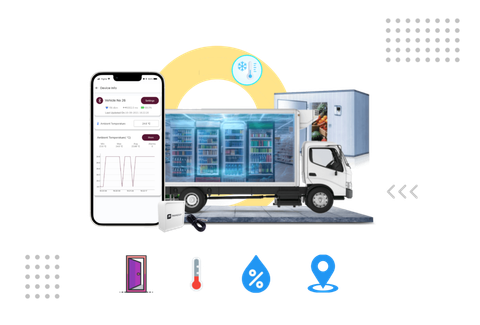
Cold Chain Monitoring: Technology, Benefits, and Industry Applications
Updated: November 02, 2026
Read More
Top Cell Biology Lab Equipment Tips for Accurate Research and Analysis
Updated: October 28, 2026
Read More