Chemical Fluids Driving Innovation in Modern Manufacturing
Chemical fluids play an important role in modern manufacturing processes.
Chemical fluids
From cooling machinery to cleaning components, these specialized materials support different industrial activities. Businesses exploring industrial chemical fluids often compare product specifications, suppliers, pricing, and compatibility before selecting suitable solutions for their operations.
Modern production facilities depend on materials that help maintain consistent processes and equipment performance. Chemical fluids can reduce friction, control temperatures, remove unwanted substances, and support surface treatment. Their applications vary across industries, making product selection an important consideration for manufacturers.
Importance of Chemical Fluids in Manufacturing
Manufacturing involves several operations that require controlled working conditions. Heat, friction, contamination, and chemical reactions can influence production quality and equipment performance. Appropriate chemical fluids help manage these factors within specific industrial applications.
Their importance extends beyond individual machines. Proper fluid selection and management can contribute to production consistency, equipment maintenance, workplace safety, and operational planning.
Supporting Industrial Equipment
Industrial machinery often operates under demanding conditions. Lubricating and cooling fluids help manage friction and heat generated during equipment operation. This can support smoother machine performance and reduce unnecessary wear when the fluids are correctly selected and maintained.
Improving Production Processes
Certain manufacturing activities require chemical fluids for cleaning, processing, coating, and material preparation. These fluids help create controlled conditions for specific production requirements.
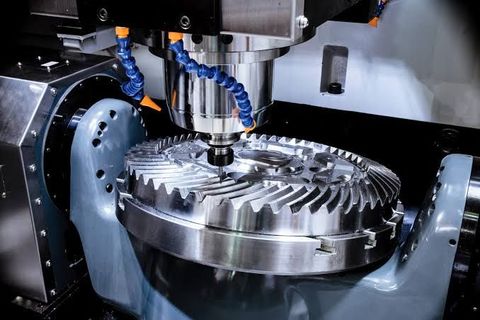
For example, metalworking operations use specialized fluids to support cutting, drilling, and grinding. Other manufacturing sectors may require cleaning solutions or heat-transfer fluids for different production stages.
Types of Chemical Fluids Used in Manufacturing
Different manufacturing operations require different fluid properties. Understanding the main categories helps businesses compare industrial fluid suppliers and identify products that match their production requirements.
Metalworking Fluids
Metalworking fluids are used during machining, cutting, grinding, and drilling operations. They may provide cooling, lubrication, and assistance in removing metal particles from working areas.
Manufacturers generally select these fluids according to the material being processed, machine specifications, and operating conditions. Product concentration, compatibility, and maintenance requirements are also important considerations.
Industrial Cooling Fluids
Cooling fluids help control temperatures in industrial equipment and production systems. They are used in applications where excessive heat could affect machinery, materials, or manufacturing consistency.
Different systems require different cooling properties. Factors such as temperature range, material compatibility, corrosion protection, and operating conditions influence product selection.
Industrial Cleaning Fluids
Cleaning fluids remove oils, grease, dust, and other contaminants from industrial components and surfaces. They are commonly used during equipment maintenance and product preparation.
The appropriate cleaning fluid depends on the material, type of contamination, cleaning method, and required surface condition. Manufacturers should also consider residue, disposal requirements, and worker safety.
Industrial Lubricant Fluids
Lubricant fluids reduce friction between moving components. They are commonly used in machinery, hydraulic systems, and industrial equipment.
Different formulations serve different purposes. Viscosity, operating temperature, equipment requirements, and material compatibility influence the selection process.
Buying Industrial Chemical Fluids for Manufacturing
Purchasing chemical fluids requires more than comparing product prices. Manufacturers should evaluate technical specifications, supplier reliability, product documentation, and the requirements of their production systems.
Choosing the Right Chemical Fluid Supplier
A reliable industrial chemical fluids supplier should provide clear product information and appropriate technical documentation. Buyers can evaluate suppliers using several considerations:
Product specifications: Check whether the fluid meets the equipment manufacturer's requirements.
Quality documentation: Review available technical data sheets and safety data sheets.
Supply capacity: Consider whether the supplier can meet regular and bulk requirements.
Technical assistance: Determine whether product compatibility and handling guidance are available.
Consistency: Understand how the supplier maintains product quality across deliveries.
These factors help purchasing teams compare suppliers based on operational requirements rather than price alone.
Understanding Chemical Fluid Pricing
Industrial chemical fluid pricing varies according to formulation, application, quantity, packaging, and supply arrangements. Specialized formulations may have different cost structures from commonly used industrial fluids.
Businesses comparing bulk industrial chemicals should consider the total cost of use. This may include storage, handling, maintenance, replacement frequency, transportation, and waste management.
Comparing Chemical Fluids for Different Applications
The following table provides a general overview of common fluid categories and their manufacturing applications.
| Chemical fluid type | Main application | Important selection factor |
|---|---|---|
| Metalworking fluids | Cutting and machining | Material compatibility |
| Cooling fluids | Temperature management | Thermal performance |
| Cleaning fluids | Removing industrial contaminants | Cleaning requirements |
| Lubricant fluids | Reducing mechanical friction | Viscosity |
| Hydraulic fluids | Power transmission | System specifications |
| Heat-transfer fluids | Transferring thermal energy | Operating temperature |
This comparison is a starting point rather than a complete technical specification. Individual products may have different properties depending on their formulation and intended application.
Factors Driving Innovation in Chemical Fluids
Modern manufacturing continues to change through automation, advanced machinery, and more demanding production requirements. These developments influence how chemical fluids are formulated, selected, and managed.
Advanced Formulations
Chemical manufacturers continue to develop formulations for specific industrial applications. These products may focus on improved stability, material compatibility, corrosion protection, or particular operating conditions.
Specialty chemical fluids can serve processes that require properties beyond those of general-purpose industrial products. Their suitability should always be assessed against actual equipment and production requirements.
Environmental Considerations
Environmental management has become an important part of industrial fluid selection. Manufacturers increasingly consider fluid lifespan, waste generation, disposal requirements, and workplace exposure.
Some formulations are developed with specific environmental considerations in mind. However, environmental performance should be evaluated using product documentation rather than assumptions based on general descriptions.
Automation and Fluid Monitoring
Automated manufacturing systems can make fluid monitoring more consistent. Depending on the application, monitoring may involve checking temperature, concentration, contamination, viscosity, or other operating parameters.
Regular monitoring helps identify changes that could affect production conditions. It also supports planned maintenance and more informed decisions about fluid replacement.
Safety and Maintenance Considerations
Proper handling is essential when working with industrial chemical fluids. Incorrect storage, mixing, or disposal may create workplace and environmental risks.
Manufacturers should establish suitable procedures for receiving, storing, using, and disposing of these materials. Employees should have access to relevant safety information and appropriate protective equipment.
Important management practices include:
Following the manufacturer's handling instructions.
Reviewing safety data sheets before using products.
Keeping incompatible chemicals separated.
Monitoring fluid condition according to technical guidance.
Maintaining suitable storage and labeling procedures.
Following applicable waste disposal regulations.
Frequently Asked Questions
How Do I Choose the Right Industrial Chemical Fluids?
Start by identifying the manufacturing application, equipment requirements, operating conditions, and material compatibility. Compare product specifications and consult qualified technical personnel when necessary.
What Affects Industrial Chemical Fluid Pricing?
Pricing depends on formulation, product performance requirements, packaging, order quantity, transportation, and supplier arrangements. Total operating costs should also be considered.
Why Is Choosing a Chemical Fluids Supplier Important?
Suppliers influence product availability, documentation, delivery consistency, and technical support. Comparing these factors helps manufacturers make informed purchasing decisions.
Are Specialty Chemical Fluids Different From Standard Industrial Fluids?
Yes. Specialty formulations are generally designed for particular applications or operating requirements, while standard industrial fluids may serve more general purposes.
How Often Should Manufacturing Fluids Be Replaced?
Replacement frequency depends on the fluid type, operating conditions, contamination levels, and manufacturer guidance. Regular monitoring helps determine when maintenance or replacement is appropriate.
Conclusion
Chemical fluids support essential manufacturing activities, including cooling, lubrication, cleaning, and material processing. As production technologies develop, manufacturers increasingly consider product specifications, environmental requirements, supplier reliability, and operating costs when selecting industrial fluids.
Understanding these factors helps businesses evaluate available solutions and maintain appropriate fluid management.

Related Post...
How Industrial Equipment Drives Modern Manufacturing Efficiency
Updated: November 25, 2026
Read More