Camera Sewer Inspection: Complete Guide to Features, Technology, Benefits, and Pipeline Maintenance
Underground sewer and pipeline infrastructure supports modern cities.
Over time, pipes collect debris, corrode, crack, and block. These problems cause expensive failures, environmental damage, and service disruptions. Camera sewer inspection solves this problem with non-invasive technology.
Using waterproof cameras, robotic crawlers, and real-time video transmission, inspection professionals examine sewer interiors without excavation. This technology identifies defects, measures wear, and guides targeted repairs. Whether you manage municipal utilities, industrial facilities, or residential properties, camera sewer inspection delivers faster diagnostics and longer pipeline life.
This guide explains how camera sewer inspection works, the equipment types, their features, applications, maintenance practices, and benefits for modern pipeline management.
What Is Camera Sewer Inspection
Camera sewer inspection is a non-destructive evaluation method. A specialized waterproof video camera enters a pipeline and captures visual footage of the interior. Inspectors observe pipe walls, joints, connections, and flow conditions without digging.
This method eliminates guesswork. It pinpoints exact defect locations. It supports data-driven repair decisions. It protects surfaces and reduces repair costs.
These systems are commonly used by:
- Municipal sewer and water departments
- Pipeline maintenance contractors
- Industrial facility managers
- Residential and commercial plumbing services
- Environmental monitoring agencies
- Construction and engineering firms
- Real estate inspectors and property managers
How Camera Sewer Inspection Works
The process follows a structured workflow. Each step maximizes visibility and protects equipment.
Access Point Preparation
Inspectors locate a safe entry point. Common access points include manholes, cleanouts, and inspection openings. The area is secured and prepared for equipment insertion.
Camera Insertion and Navigation
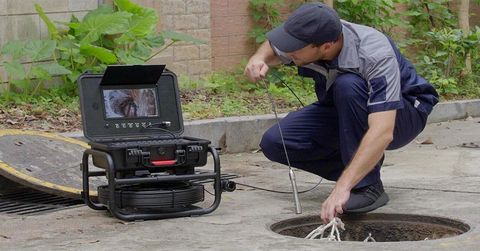
A waterproof camera enters the pipeline. It attaches to a flexible push rod, crawler robot, or floating device. The camera moves through the line and transmits live video to a surface monitor.
Real-Time Visual Assessment
Inspectors observe pipe walls, joints, connections, and flow conditions. Integrated LED lighting illuminates dark interiors. Distance counters track the camera position within the line.
Defect Identification and Classification
Inspectors document structural issues. Common defects include cracks, fractures, root intrusion, corrosion, misaligned joints, and sediment buildup. Standardized classification codes organize findings.
Recording and Reporting
Footage is recorded for review and client reporting. Advanced systems generate digital reports with time-stamped images, measurements, and repair recommendations.
Data Storage and Archiving
Inspection data is archived for trend analysis, regulatory documentation, and future comparison.
Types of Camera Sewer Inspection Systems
Different pipeline conditions require different camera systems.
Push Rod Camera Systems
Flexible push rod cameras navigate small-diameter lines. They work best for residential and light commercial sewer lines between two and six inches in diameter. Operators push the camera manually through bends and straight sections.
Crawler or Robotic Camera Systems
Self-propelled robotic crawlers handle larger municipal and industrial pipelines. They offer precise directional control, adjustable lighting, and high-resolution imaging. These systems navigate complex layouts with greater stability.
Floating Camera Systems
Floating cameras travel with water flow in partially filled or fully submerged lines. They inspect pipes where crawlers cannot operate. They are valuable for storm drains and high-flow sewer sections.
Lateral Launch Cameras
These systems include a secondary camera launcher. The launcher inspects branching lateral connections from a main sewer line. This provides comprehensive coverage without separate access points.
Pan-Tilt-Zoom Camera Heads
Advanced camera heads rotate 360 degrees and zoom in on details. Inspectors examine joint conditions, crack patterns, and structural anomalies from multiple angles without repositioning the entire system.
Sonar and Multi-Sensor Systems
Some platforms combine video cameras with sonar technology, laser profiling, or gas detection sensors. These combinations assess submerged conditions, measure pipe deformation, and detect hazardous atmospheres.
Key Features of Modern Inspection Systems
Modern camera sewer inspection systems include advanced features for reliable performance.
High-Resolution Imaging
Modern cameras capture high-definition video. Inspectors detect fine cracks, hairline fractures, and early-stage corrosion with clarity.
Waterproof and Submersible Design
Cameras and housings are sealed to withstand prolonged water, sewage, and chemical exposure. This durability ensures consistent operation in wet conditions.
Integrated LED Lighting
Adjustable LED arrays illuminate dark pipe interiors evenly. Even lighting reduces shadows and improves visibility of surface details.
Distance Measurement and Tracking
On-screen distance counters track camera position. Inspectors pinpoint defect locations with accuracy. This supports targeted excavation and repair.
Flexible and Rigid Cable Options
Push rods and crawler tethers come in various lengths and stiffness levels. Operators select the right option for pipe diameter, bends, and access conditions.
Real-Time Monitoring and Recording
Live video feeds support immediate decisions. Integrated recording preserves evidence for documentation, training, and client presentations.
Portable and Compact Design
Many systems feature lightweight control units, rechargeable batteries, and compact monitors. This portability supports operation in confined spaces and remote locations.
Data Integration Software
Inspection software enables annotation, classification, mapping, and report generation. Reports link directly to video files for streamlined documentation.
Choosing the Right Camera Sewer Inspection System
Selecting the correct equipment requires careful evaluation of pipeline conditions and inspection goals.
Pipe Diameter and Length
Small residential drains need push rod systems. Large-diameter municipal sewers require crawler robots with extended reach and propulsion strength.
Pipe Material and Condition
Fragile or irregular pipes need gentle navigation. Crawler systems with adjustable speed and floating cameras reduce the risk of further damage.
Access Point Availability
Limited access points and tight manholes influence equipment size and portability. Compact systems improve setup efficiency in restricted spaces.
Inspection Purpose
Routine maintenance requires standard video systems. Structural assessments, property transactions, or legal documentation require high-resolution imaging and detailed reporting.
Budget and Service Model
Organizations can purchase equipment for in-house use or contract specialized inspection services. The choice depends on inspection frequency, staff expertise, and capital capacity.
Software and Reporting Needs
Select systems with reporting capabilities that match organizational standards and regulatory requirements. Clear reports improve communication with clients and stakeholders.
Common Applications
Camera sewer inspection supports many infrastructure and property management needs.
- Municipal sewer line assessment and mapping
- Storm drain inspection and blockage identification
- Industrial pipeline condition monitoring
- Residential sewer line evaluation before purchase
- Root intrusion detection and blockage location
- Post-construction verification of new installations
- Leak and infiltration point identification
- Pre-repair diagnostics and repair verification
- Insurance claim documentation and dispute resolution
- Environmental compliance monitoring
These applications make camera inspection an essential tool for preventive maintenance and asset management.
Maintenance Tips
Proper equipment care ensures reliable performance and long service life.
- Clean camera lenses and housings after every inspection. Use fresh water and soft cloths to remove sewage residue and sediment.
- Inspect cables, push rods, and tethers for abrasion or kinking before and after use.
- Verify waterproof seals and O-rings are intact. Replace worn seals to prevent moisture intrusion.
- Charge batteries fully before deployment. Check all power connections.
- Calibrate distance counters against known reference lengths regularly.
- Store equipment in protective cases away from extreme temperatures and moisture.
- Update software and firmware to maintain compatibility and features.
- Test LED lighting for uniform illumination across the field of view.
- Lubricate crawler wheels and mechanical joints according to manufacturer guidelines.
- Maintain inspection logs tracking usage, maintenance, and repairs.
Benefits of Camera Sewer Inspection
Camera sewer inspection delivers significant operational, economic, and environmental advantages.
- Enables precise, non-invasive assessment of underground pipeline conditions
- Eliminates unnecessary excavation and surface disruption
- Reduces repair costs by identifying exact defect locations
- Improves maintenance planning with data-driven inspection schedules
- Extends infrastructure lifespan through early deterioration detection
- Supports regulatory compliance with documented inspection records
- Enhances public and environmental safety by preventing catastrophic failures
- Increases operational efficiency through faster diagnostics
- Provides visual documentation for clients, regulators, and stakeholders
- Reduces liability exposure through verified pipeline assessments
Frequently Asked Questions
What is camera sewer inspection?
Camera sewer inspection is a non-destructive evaluation method. A waterproof video camera enters a pipeline and captures visual footage of the interior to assess conditions.
What types of pipes can be inspected?
Camera systems inspect sewer lines, storm drains, industrial pipes, and residential drains made from PVC, concrete, clay, cast iron, and other materials.
How accurate is the defect location?
Modern systems with distance tracking, GPS integration, and mapping software pinpoint defects within inches or feet depending on technology used.
Is camera inspection safe for aging pipes?
Yes. Gentle crawler systems, floating cameras, and manual push rods navigate fragile lines carefully without causing additional structural damage.
Can cameras detect all pipeline problems?
Cameras identify structural defects, blockages, root intrusion, corrosion, and joint failures. Subtle infiltration or external soil movement may require additional technologies like smoke testing or pressure monitoring.
How long does a typical inspection take?
Most residential inspections complete within one to two hours. Extensive municipal lines may require several hours or multiple sessions.
Conclusion
Camera sewer inspection transforms pipeline maintenance. It provides clear visual access to underground systems without excavation. It enables faster diagnostics, precise repairs, and more effective long-term maintenance strategies. Selecting the right camera system matched to pipe size, material, and inspection objectives ensures reliable results. With regular equipment maintenance and skilled operation, camera sewer inspection protects public health, preserves infrastructure investments, and supports sustainable urban development.

Related Post...
Camera Sewer Inspection: Complete Guide to Features, Technology, Benefits, and Pipeline Maintenance
Updated: September 30, 2026
Read More
Wafer Processing Equipment Insights: Semiconductor Manufacturing
Updated: October 07, 2026
Read More