Automotive Semiconductor Companies Guide: Explore Leading Manufacturers, Technologies, and Industry Insights
The automotive industry is undergoing significant technological transformation. Modern vehicles are no longer defined only by their engines, mechanical components, and traditional electrical systems. They increasingly depend on advanced electronics, computer-controlled functions, sensors, communication systems, and semiconductor chips.
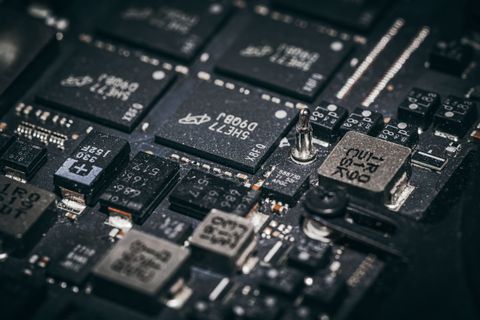
Automotive semiconductors are essential components that help vehicles process information, manage electrical power, control mechanical functions, and communicate with different electronic systems. They are used in engine management, braking systems, driver assistance technologies, infotainment, battery management, and electric vehicle powertrains.
Automotive semiconductor companies develop and manufacture the chips that support these applications. Their technologies are important for traditional vehicles, hybrid vehicles, electric vehicles, and increasingly connected automobiles.
The growing importance of vehicle electrification, automation, safety, and connectivity has increased the demand for specialised automotive semiconductor manufacturers. These companies contribute to the development of microcontrollers, power semiconductors, sensors, memory devices, and integrated circuits.
Understanding the automotive semiconductor industry provides useful insights into the companies, technologies, applications, and emerging developments shaping modern transportation.
Importance of Automotive Semiconductor Manufacturers
Automotive semiconductor manufacturers play an important role in the development of modern vehicle electronics. Their products help automotive companies introduce advanced features while improving the coordination of different vehicle systems.
Vehicle control systems: Semiconductor chips process information from sensors and electronic components to support engine management, transmission control, steering, and braking functions.
Electric vehicle development: Electric vehicles depend on power semiconductors, battery management controllers, and other electronic components to manage energy conversion and distribution.
Advanced driver assistance systems: Automotive chips support technologies such as parking assistance, adaptive cruise control, collision detection, and lane monitoring.
Vehicle connectivity: Semiconductors enable communication between vehicle systems, wireless networks, navigation platforms, and connected devices.
Energy management: Power semiconductor technologies help manage electrical energy in vehicles, including battery charging, power conversion, and motor control.
Automotive safety: Electronic control units and specialised integrated circuits support important safety-related functions, including airbag systems, electronic stability control, and braking technologies.
As vehicles become more electronically advanced, semiconductor manufacturers are becoming increasingly important to automotive engineering and production.
Leading Automotive Semiconductor Companies
Several international semiconductor companies develop technologies for automotive applications. Their portfolios include microcontrollers, power devices, sensors, processors, and integrated circuits.
The following companies are notable participants in the automotive semiconductor industry.
1. Infineon Technologies
Infineon Technologies is a major semiconductor manufacturer headquartered in Germany. The company develops semiconductor technologies for automotive, industrial, power, and security applications.
Its automotive portfolio includes microcontrollers, power semiconductors, sensors, and integrated circuits.
Important technology areas include:
Automotive microcontrollers.
Silicon carbide power semiconductors.
Insulated-gate bipolar transistors (IGBTs).
Battery management technologies.
Automotive security solutions.
Power management integrated circuits.
Infineon's technologies are relevant to electric vehicle powertrains, vehicle control systems, charging infrastructure, and automotive electronics.
2. NXP Semiconductors
NXP Semiconductors is a global semiconductor company headquartered in the Netherlands. It develops technologies for automotive electronics, industrial applications, secure connectivity, and communication systems.
Its automotive semiconductor portfolio supports several vehicle technologies.
Major areas include:
Automotive processors.
Vehicle networking solutions.
Radar technologies.
Microcontrollers.
Secure automotive connectivity.
Battery management systems.
NXP's technologies are used in vehicle networking, advanced driver assistance systems, automotive security, and connected vehicle applications.
3. Renesas Electronics
Renesas Electronics is a Japanese semiconductor company with a strong presence in automotive electronics and embedded processing.
The company develops semiconductor components used in vehicle control systems, infotainment, electric vehicle technologies, and safety-related applications.
Its major technology categories include:
Automotive microcontrollers.
System-on-chip solutions.
Power management ICs.
Automotive semiconductor platforms.
Battery management technologies.
Embedded processing components.
Renesas products support applications ranging from engine control and body electronics to advanced driver assistance systems.
4. STMicroelectronics
STMicroelectronics is a global semiconductor manufacturer headquartered in Switzerland. It develops semiconductor products for automotive, industrial, personal electronics, and communication applications.
The company offers a wide range of automotive technologies.
Its automotive-related products include:
Microcontrollers and microprocessors.
Automotive sensors.
Power management integrated circuits.
Silicon carbide devices.
Automotive control components.
Motor control technologies.
STMicroelectronics contributes to electric vehicle systems, automotive sensing, power conversion, and electronic control applications.
5. Texas Instruments
Texas Instruments is an American semiconductor company known for its analog and embedded processing technologies.
Its automotive semiconductor portfolio includes components that support vehicle power systems, sensing, communication, and electronic control.
Important product categories include:
Automotive analog integrated circuits.
Power management chips.
Automotive processors.
Radar and sensor technologies.
Battery monitoring devices.
Interface and communication ICs.
Texas Instruments technologies are used in vehicle lighting, infotainment, power distribution, battery monitoring, and advanced driver assistance systems.
6. Analog Devices
Analog Devices is an American semiconductor company specialising in analog, mixed-signal, and digital signal processing technologies.
Its automotive products help vehicles measure, process, and interpret electronic signals.
Key areas include:
Battery management systems.
Automotive sensors.
Power monitoring technologies.
Signal processing components.
Vehicle communication systems.
Data conversion integrated circuits.
These technologies are relevant to electric vehicle battery systems, automotive sensing, and electronic power management.
7. onsemi
onsemi is an American semiconductor company focused on intelligent power and sensing technologies.
Its automotive portfolio includes components used in vehicle electrification, energy conversion, imaging, and advanced driver assistance systems.
Important technology categories include:
Silicon carbide power devices.
Automotive image sensors.
Power management components.
Intelligent power solutions.
Automotive sensing technologies.
Motor control components.
The company's semiconductor technologies are particularly relevant to electric vehicle power systems and automotive vision applications.
8. Microchip Technology
Microchip Technology is an American semiconductor company that develops microcontrollers, analog semiconductors, memory products, and embedded control solutions.
Its technologies are used in automotive electronics and vehicle control applications.
Major product areas include:
Automotive microcontrollers.
Embedded controllers.
Power management components.
Automotive communication interfaces.
Memory devices.
Safety-oriented electronic solutions.
Microchip Technology supports applications involving vehicle networking, body electronics, control systems, and embedded processing.
9. Qualcomm
Qualcomm is an American technology company known for semiconductor platforms, wireless communication technologies, and advanced computing solutions.
Its automotive business focuses on connected vehicles, digital cockpit systems, and computing platforms.
Important automotive technology areas include:
Automotive system-on-chip platforms.
Digital cockpit processors.
Vehicle connectivity.
Cellular communication technologies.
Advanced driver assistance computing.
Automotive networking solutions.
Qualcomm's automotive technologies help support connected vehicle experiences and advanced in-car computing.
10. Bosch
Bosch is a German engineering and technology company with significant activities in automotive electronics and semiconductor development.
Its semiconductor-related technologies support automotive sensors, microelectromechanical systems, and vehicle electronic applications.
Important areas include:
Automotive sensors.
MEMS technologies.
Semiconductor components.
Vehicle control electronics.
Power semiconductor development.
Sensor-based safety technologies.
Bosch contributes to automotive sensing, vehicle safety, and electronic control systems.
Major Technologies Used in the Automotive Semiconductor Industry
Automotive semiconductor manufacturers develop several types of chips to support the different electronic requirements of modern vehicles.
1. Automotive Microcontrollers
Automotive microcontrollers are compact computing devices designed to control specific electronic functions.
They receive information from sensors, process instructions, and coordinate different vehicle components.
Common applications include:
Engine management.
Transmission control.
Electronic braking.
Airbag control.
Power window systems.
Vehicle lighting.
Battery management.
Automotive microcontrollers are important because they provide dedicated processing capabilities for individual vehicle functions.
2. Automotive Power Semiconductors
Power semiconductors control and convert electrical energy. They are especially important in electric and hybrid vehicles, where electrical power must be managed efficiently.
Common types include:
Metal-oxide-semiconductor field-effect transistors (MOSFETs).
Insulated-gate bipolar transistors (IGBTs).
Silicon carbide (SiC) devices.
Gallium nitride (GaN) devices.
Power diodes.
These components are used in inverters, converters, onboard chargers, battery systems, and electric motor control.
3. Automotive Integrated Circuits
Automotive integrated circuits combine multiple electronic components into a single semiconductor device.
They can perform functions such as signal processing, power regulation, data conversion, and communication.
Examples include:
Analog ICs.
Digital ICs.
Mixed-signal ICs.
Power management ICs.
Interface ICs.
Application-specific integrated circuits.
Automotive IC manufacturers develop products designed for the electrical, environmental, and reliability requirements of vehicle applications.
4. Automotive Sensors
Sensors collect information about the vehicle and its surrounding environment.
They help electronic systems identify changes in temperature, pressure, acceleration, movement, and distance.
Common automotive sensor categories include:
Temperature sensors.
Pressure sensors.
Magnetic sensors.
Radar sensors.
Image sensors.
Inertial measurement sensors.
These components support vehicle monitoring, engine management, safety functions, and advanced driver assistance systems.
5. Automotive Memory Chips
Memory semiconductors store information used by vehicle electronics and computing platforms.
They are used in infotainment systems, navigation, digital dashboards, electronic control units, and other automotive applications.
Common memory technologies include:
Flash memory.
Static random-access memory (SRAM).
Dynamic random-access memory (DRAM).
Electrically erasable programmable read-only memory (EEPROM).
Their requirements depend on the application, data storage needs, operating environment, and reliability expectations.
Semiconductor Chips for Electric Vehicles
Electric vehicles depend heavily on semiconductor technologies because they use complex electronic systems to manage battery energy, electric motors, charging, and vehicle control.
The growth of electric mobility has increased the importance of specialised semiconductor chips for electric vehicles.
Battery Management Systems
Battery management systems monitor battery conditions and help control charging and discharging processes.
Their semiconductor components can measure:
Battery voltage.
Current flow.
Temperature.
Charge levels.
Cell balancing conditions.
These measurements help maintain battery operation within defined limits.
Electric Motor Control
Electric vehicles use electronic systems to control electric motors. Power semiconductors help regulate electrical energy supplied to the motor.
Inverters convert direct current from the battery into alternating current for compatible electric motor designs.
Microcontrollers and specialised ICs coordinate switching operations and motor control functions.
Onboard Charging Systems
Onboard chargers manage the conversion of electrical energy received from an external charging source into a form suitable for the vehicle battery.
Semiconductor devices help regulate voltage, current, and power conversion.
DC-DC Converters
DC-DC converters change electrical power from one direct-current voltage level to another.
They support the operation of different vehicle electrical systems, including low-voltage components and electronic control units.
Silicon Carbide and Gallium Nitride Technologies
Silicon carbide and gallium nitride are wide-bandgap semiconductor materials.
They have electrical properties that make them useful in certain high-voltage and high-frequency applications.
Silicon carbide is particularly important in electric vehicle power electronics because it can support efficient power conversion in suitable designs.
Gallium nitride is also being explored and used in selected power conversion and charging applications.
Role of Automotive Electronics Companies
Automotive electronics companies work across several areas of vehicle technology. Semiconductor manufacturers provide the chips, while automotive electronics developers integrate these components into complete electronic systems.
Their work supports the development of increasingly sophisticated vehicles.
Electronic control units: These units manage specific vehicle functions by processing information from sensors and sending instructions to connected components.
Infotainment systems: Semiconductor processors and communication chips support navigation, audio, displays, and digital vehicle interfaces.
Advanced driver assistance systems: Automotive electronics combine sensors, processors, cameras, and communication technologies to support safety and driving assistance functions.
Vehicle networking: Communication technologies allow different electronic control units to exchange information.
Digital cockpit systems: Modern vehicles use advanced computing platforms to manage dashboards, displays, entertainment, and connected features.
Automotive electronics companies therefore depend on semiconductor technologies to develop and integrate complex vehicle systems.
Automotive Semiconductor Industry: Manufacturing and Supply Chain
The automotive semiconductor industry includes multiple stages, from semiconductor design to final component integration.
Understanding this supply chain helps explain how automotive chips reach vehicle manufacturers.
Semiconductor Design
The process begins with chip architecture and circuit design. Engineers define the semiconductor's intended functions, performance requirements, power consumption, and operating conditions.
Automotive chips may require specialised design considerations because vehicles operate under demanding environmental conditions.
Wafer Fabrication
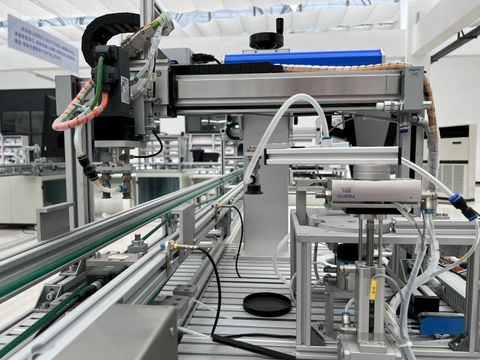
Semiconductor fabrication involves manufacturing integrated circuits on semiconductor wafers.
Processes include photolithography, deposition, etching, doping, and other specialised techniques.
Different chips require different manufacturing processes and technology nodes.
Assembly and Packaging
After wafer fabrication, individual semiconductor devices are separated and packaged.
Packaging protects the chip and provides electrical connections with the surrounding system.
Automotive semiconductor packaging must account for factors such as temperature, vibration, electrical performance, and long-term reliability.
Testing and Qualification
Automotive semiconductor components undergo testing to evaluate their performance and reliability.
Testing may include temperature cycling, electrical measurements, environmental stress assessments, and other qualification procedures.
Standards such as AEC-Q100 are commonly referenced for automotive integrated circuit qualification.
Automotive System Integration
The final semiconductor components are incorporated into electronic control units, power systems, sensors, and other vehicle modules.
Automotive manufacturers and their suppliers evaluate how these systems operate together before vehicle production.
Recent Updates and Emerging Trends in the Automotive Semiconductor Industry (2025–2026)
The automotive semiconductor industry continues to evolve as vehicle manufacturers introduce new electrical, digital, and computing technologies.
Several developments are influencing the direction of the industry.
Growth of Electric Vehicle Semiconductor Technologies
Electric vehicle development is increasing the importance of power semiconductors, battery management ICs, motor controllers, and charging technologies.
Manufacturers are focusing on components that can support higher power levels, improved energy conversion, and compact electronic designs.
Expansion of Silicon Carbide Applications
Silicon carbide technology is becoming increasingly important in automotive power electronics.
It is used in selected electric vehicle inverters, charging systems, and power conversion applications.
Its electrical properties can support improved efficiency and thermal performance in suitable system designs.
Software-Defined Vehicles
Software-defined vehicles rely on computing platforms and electronic architectures that can support advanced software functions.
This development is increasing interest in high-performance automotive processors, vehicle networking chips, memory technologies, and cybersecurity components.
Advanced Driver Assistance Systems
Automotive semiconductor manufacturers are developing more advanced processors, image sensors, radar components, and computing technologies for driver assistance systems.
These technologies support features such as adaptive cruise control, parking assistance, collision warnings, and lane monitoring.
Automotive Semiconductor Supply Chain Resilience
Global semiconductor supply chains remain strategically important to vehicle production.
Automotive manufacturers and semiconductor companies continue to focus on supply chain visibility, production capacity, inventory planning, and supplier diversification.
Long qualification timelines and specialised manufacturing requirements make supply chain planning particularly important for automotive chips.
Increasing Demand for Automotive Cybersecurity
Connected vehicles exchange information with external networks, mobile devices, and digital infrastructure.
As connectivity increases, semiconductor companies are developing secure processing, encryption, hardware security, and authentication technologies for automotive applications.
Laws, Standards, and Quality Requirements in the Automotive Semiconductor Industry
Automotive semiconductors must meet demanding reliability and safety requirements because they are used in systems that influence vehicle operation.
Several international standards and regulatory frameworks are relevant to this industry.
ISO 26262: Functional Safety
ISO 26262 is an international functional safety standard for electrical and electronic systems in road vehicles.
It provides a framework for identifying hazards, assessing risks, and developing safety-related automotive systems.
Semiconductor manufacturers and automotive electronics developers consider functional safety requirements during product development and system integration.
AEC-Q100: Integrated Circuit Qualification
AEC-Q100 is a widely recognised qualification framework for automotive integrated circuits.
It includes stress test requirements intended to evaluate component reliability under specified environmental and operating conditions.
Other Automotive Electronics Council qualification documents address different component categories.
IATF 16949: Automotive Quality Management
IATF 16949 is a quality management system standard for organisations involved in automotive production and relevant supply chains.
It focuses on quality management, process consistency, risk reduction, and continual improvement.
UNECE Vehicle Regulations
The United Nations Economic Commission for Europe develops vehicle regulations covering different aspects of automotive safety and technology.
Certain regulations address cybersecurity and software updates in vehicles, including UN Regulation No. 155 and UN Regulation No. 156.
These requirements are relevant to vehicle manufacturers and organisations involved in connected vehicle systems.
Environmental and Material Requirements
Automotive electronic components must also be considered within applicable environmental and material regulations.
Requirements may address restricted substances, material declarations, waste management, and electronic component disposal.
In India, relevant legal frameworks include the Environment (Protection) Act, 1986, and applicable E-Waste Management Rules.
The exact regulatory obligations depend on the product category, manufacturing activity, supply chain role, and intended market.
Future Outlook of Automotive Semiconductor Companies
The future of automotive semiconductor companies is closely connected to the transformation of global transportation.
As vehicles become more electrified, connected, and software-driven, semiconductor technologies will continue to influence automotive engineering.
Several areas are likely to remain important:
Advanced power semiconductors for electric vehicles.
High-performance automotive computing platforms.
Advanced sensors for driver assistance systems.
Secure communication and cybersecurity technologies.
Battery monitoring and energy management ICs.
Semiconductor solutions for vehicle networking.
More efficient electronic control architectures.
Improved component reliability and qualification processes.
Automotive semiconductor manufacturers will also need to address challenges involving manufacturing capacity, technology development, supply chain complexity, and product reliability.
The ability to develop dependable semiconductor technologies while meeting changing automotive requirements will remain an important factor in industry development.
Frequently Asked Questions (FAQs)
1. What are automotive semiconductor companies?
Automotive semiconductor companies are organisations that design, manufacture, or supply semiconductor components used in vehicles. Their products include microcontrollers, sensors, integrated circuits, memory devices, and power semiconductors.
2. Who are the leading automotive semiconductor manufacturers?
Notable companies include Infineon Technologies, NXP Semiconductors, Renesas Electronics, STMicroelectronics, Texas Instruments, Analog Devices, onsemi, Microchip Technology, Qualcomm, and Bosch.
3. What types of semiconductor chips are used in automobiles?
Automobiles use microcontrollers, power semiconductors, analog ICs, digital processors, memory chips, image sensors, radar components, and battery management ICs.
4. Why are automotive semiconductors important for electric vehicles?
They support battery management, electric motor control, power conversion, onboard charging, energy monitoring, and electronic vehicle systems.
5. What is the difference between automotive microcontrollers and automotive processors?
Microcontrollers generally manage dedicated control functions using integrated processing, memory, and peripheral components. Automotive processors typically provide greater computing capabilities for more complex applications, such as infotainment and advanced driver assistance systems.
6. What is AEC-Q100 in automotive semiconductor manufacturing?
AEC-Q100 is an automotive qualification framework for integrated circuits. It defines stress test requirements used to assess component reliability under specified conditions.
7. What is the role of silicon carbide in automotive semiconductors?
Silicon carbide is a wide-bandgap semiconductor material used in selected power electronics applications. It is particularly relevant to electric vehicle inverters, charging systems, and power conversion.
Conclusion
Automotive semiconductor companies play a significant role in the development of modern vehicles. Their technologies support essential functions involving vehicle control, safety, communication, power management, infotainment, and electric mobility.
Leading automotive semiconductor manufacturers such as Infineon Technologies, NXP Semiconductors, Renesas Electronics, STMicroelectronics, Texas Instruments, and onsemi contribute to a broad range of automotive applications.
The industry is also evolving through developments in silicon carbide, electric vehicle power electronics, advanced driver assistance systems, connected vehicle platforms, and software-defined architectures.
Understanding automotive semiconductor manufacturers, automotive microcontroller manufacturers, automotive IC manufacturers, and automotive power semiconductor companies provides valuable insight into the technologies shaping the future of transportation.
Disclaimer: This article is intended for general informational and educational purposes only. It does not constitute technical, financial, legal, or professional advice. The article does not sell or promote any particular product, company, brand, or service, and no performance or business outcome is guaranteed.

Related Post...
Semiconductor Company Insights: A Complete Guide to Types, Applications, and Industry Trends
Updated: November 26, 2026
Read More
Semiconductor Company Guide: Explore Industry Types, Technologies, and Key Insights
Updated: November 26, 2026
Read More
Latest Women Fashion Guide: Explore Trending Styles, Outfit Ideas, and Essential Fashion Tips
Updated: November 27, 2026
Read More