Latest Women Fashion Guide: Explore Trending Styles, Outfit Ideas, and Essential Fashion Tips
Women's fashion continues to evolve with changing lifestyles, cultural influences, seasonal preferences, and creative design ideas. Clothing is not only a practical part of everyday life but also a way to express personal taste, confidence, and individuality. From casual everyday outfits to elegant designer dresses, women have many clothing options for different occasions and preferences.
Modern fashion includes a wide variety of styles, such as minimalist clothing, luxury women's fashion, business casual outfits, traditional-inspired designs, and contemporary streetwear. Social media, international fashion events, digital platforms, and changing consumer preferences also influence how people discover and adopt new styles.
In 2026, women's fashion continues to reflect a balance between comfort, versatility, individuality, and thoughtful clothing choices. Many wardrobe discussions focus on adaptable outfits, relaxed tailoring, sustainable materials, and clothing that can be styled for multiple occasions.
Understanding current fashion trends, clothing categories, fabric choices, and styling techniques can help women develop a wardrobe that reflects their personal preferences.
Importance of Women's Fashion in Everyday Life
Fashion plays different roles in everyday life. Clothing choices can influence comfort, appearance, confidence, and how people express themselves in different environments.
Personal expression: Clothing allows women to communicate their individual preferences through colours, patterns, silhouettes, and accessories.
Everyday comfort: Selecting appropriate fabrics and well-fitting outfits can make daily activities more comfortable.
Professional appearance: Clothing choices can help create a polished appearance in workplaces, meetings, and professional environments.
Cultural identity: Traditional clothing, regional textiles, and contemporary ethnic designs help preserve cultural influences while allowing modern styling.
Creative exploration: Fashion encourages experimentation with different combinations, accessories, textures, and clothing styles.
Practical wardrobe planning: Understanding clothing categories makes it easier to create versatile combinations for different occasions.
Latest Women's Fashion Trends in 2026
Women's fashion trends in 2026 reflect a combination of classic influences and contemporary styling. While trends differ across regions and personal preferences, several design directions remain important in modern fashion discussions.
1. Minimalist Fashion
Minimalist fashion focuses on simple designs, balanced colours, clean silhouettes, and versatile clothing combinations. It is suitable for women who prefer an organised wardrobe without excessive patterns or decorative details.
Common minimalist clothing choices include:
Neutral-coloured shirts and trousers.
Simple dresses with clean silhouettes.
Classic blazers and tailored jackets.
Straight-leg jeans.
Basic tops and comfortable knitwear.
Simple footwear and understated accessories.
Colours such as beige, white, black, grey, navy, and brown are commonly associated with minimalist wardrobes.
2. Quiet Luxury Fashion
Quiet luxury refers to a fashion approach that emphasises understated designs, refined materials, careful construction, and timeless silhouettes rather than prominent branding.
Typical characteristics include:
Neutral colour palettes.
Structured coats and jackets.
Classic trousers and skirts.
Simple knitwear.
Well-finished shirts.
Minimal accessories.
Luxury women's fashion increasingly includes discussions about craftsmanship, fabric quality, durability, and versatile designs. However, a sophisticated appearance does not necessarily depend on expensive clothing.
3. Relaxed Tailoring
Relaxed tailoring combines traditional structured clothing with more comfortable proportions. It includes oversized blazers, wide-leg trousers, loose-fitting shirts, and softly structured jackets.
This style can be adapted for professional environments, casual outings, and semi-formal occasions.
Popular combinations include:
Oversized blazer with straight-leg trousers.
Relaxed shirt with tailored pants.
Wide-leg trousers with a fitted top.
Structured jacket with a simple dress.
Neutral co-ordinated clothing sets.
4. Sustainable and Conscious Fashion
Sustainable fashion focuses on environmental considerations, responsible material selection, clothing longevity, and more thoughtful consumption habits.
Common elements include:
Recycled and organic materials.
Durable clothing construction.
Timeless wardrobe essentials.
Reusable clothing combinations.
Responsible textile production.
Second-hand and pre-owned fashion.
Sustainable clothing brands may communicate information about fabric sourcing, manufacturing practices, packaging, and environmental initiatives. Consumers should examine specific claims rather than assuming that every product marketed as sustainable has the same environmental impact.
5. Statement Colours and Patterns
While neutral colours remain popular in many wardrobe styles, bold colours and distinctive patterns continue to influence women's fashion.
Common styling choices include:
Bright-coloured dresses.
Floral prints.
Geometric patterns.
Colour-blocked outfits.
Striped shirts.
Textured skirts and jackets.
Statement colours can be introduced through a single clothing item or accessory without making an entire outfit visually complicated.
6. Modern Traditional Fashion
Traditional clothing continues to influence contemporary women's fashion. Modern designs combine familiar cultural elements with updated silhouettes, fabrics, and styling techniques.
Examples include:
Contemporary saree styling.
Modern kurta sets.
Indo-western dresses.
Embroidered jackets.
Fusion co-ord sets.
Traditional-inspired festive outfits.
These combinations allow women to explore different styles while maintaining connections with cultural clothing traditions.
Popular Types of Women's Clothing
Women's clothing includes several categories designed for different activities, weather conditions, and occasions. Understanding these categories can help with wardrobe planning.
1. Casual Wear
Casual clothing focuses on comfort and flexibility. It is commonly worn during everyday activities, informal gatherings, shopping, and travel.
Popular casual clothing includes:
T-shirts and tops.
Jeans and trousers.
Cotton shirts.
Casual dresses.
Leggings.
Sweatshirts and comfortable jackets.
Cotton, linen, jersey, and other breathable materials are frequently considered for casual outfits.
2. Formal Wear
Formal clothing is designed for professional meetings, ceremonies, formal gatherings, and other structured occasions.
Common formal clothing options include:
Tailored trousers.
Formal shirts.
Blazers.
Pencil skirts.
Structured dresses.
Formal co-ordinated sets.
A balanced combination of suitable colours, comfortable fabrics, and appropriate fitting can create a polished appearance.
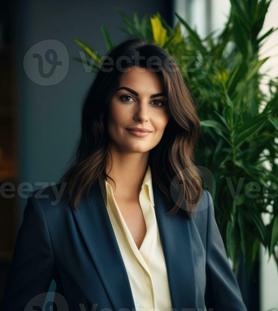
3. Business Casual Outfits for Women
Business casual clothing combines professional elements with relaxed styling. It is commonly associated with workplaces that do not require strictly formal clothing.
Popular business casual outfit ideas:
A tailored blazer with straight-leg trousers.
A button-down shirt with ankle-length pants.
A simple blouse with a midi skirt.
A knit top with structured trousers.
A modest dress with a lightweight jacket.
A formal shirt with dark-coloured jeans, where workplace guidelines permit.
Neutral colours such as navy, grey, beige, white, and black can create versatile combinations. However, workplace expectations vary, so outfit choices should reflect the professional environment.
4. Party Wear
Party wear includes clothing designed for celebrations, evening gatherings, social events, and special occasions.
Popular options include:
Sequin dresses.
Satin dresses.
Elegant jumpsuits.
Embellished tops.
Statement skirts.
Contemporary co-ord sets.
The occasion, venue, season, and personal comfort should influence clothing selection.
5. Ethnic and Traditional Wear
Ethnic fashion includes clothing influenced by regional traditions, cultural textiles, and traditional craftsmanship.
Common examples include:
Sarees.
Salwar suits.
Anarkali dresses.
Lehengas.
Kurta sets.
Indo-western outfits.
Traditional wear is commonly selected for festivals, weddings, cultural celebrations, and family gatherings.
6. Seasonal Clothing
Seasonal fashion involves selecting clothing according to weather conditions.
Summer clothing: Cotton dresses, linen shirts, lightweight trousers, breathable tops, and loose-fitting outfits.
Winter clothing: Woollen sweaters, coats, jackets, thermal layers, and knitted dresses.
Monsoon clothing: Quick-drying fabrics, comfortable footwear, lightweight layers, and easy-to-maintain clothing.
Spring and autumn clothing: Light jackets, cardigans, layered shirts, and medium-weight dresses.
Women's Designer Dresses: Popular Styles and Designs
Women's designer dresses are available in many silhouettes, fabrics, lengths, and decorative styles. Different designs suit different occasions and personal preferences.
1. A-Line Dresses
A-line dresses have a fitted upper portion and a skirt that gradually widens towards the hem. They are available in casual, formal, and festive designs.
2. Maxi Dresses
Maxi dresses are generally long and flow towards the ankles or floor. They are commonly available in floral, solid-colour, printed, and eveningwear designs.
3. Wrap Dresses
Wrap dresses feature overlapping fabric panels that create an adjustable waistline. They are popular for casual, semi-formal, and professional styling.
4. Shirt Dresses
Shirt dresses are inspired by traditional button-down shirts. They often feature collars, front buttons, and relaxed or structured silhouettes.
5. Bodycon Dresses
Bodycon dresses follow the body's natural shape and are commonly made from stretchable fabrics. They are frequently selected for evening events and contemporary party styling.
6. Midi Dresses
Midi dresses typically fall between the knee and ankle. They are versatile options for casual outings, professional environments, and semi-formal occasions.
When exploring designer clothes for women, it is useful to compare fabric composition, construction, fit, comfort, and care requirements rather than focusing only on the label.
Luxury Women's Fashion and Premium Clothing
Luxury women's fashion includes clothing associated with specialised craftsmanship, distinctive design, premium materials, and established fashion houses. It covers several categories, including dresses, outerwear, knitwear, formal clothing, and accessories.
Premium women's clothing may include features such as:
Carefully selected fabrics.
Detailed stitching and finishing.
Structured silhouettes.
Distinctive patterns and designs.
Specialised embroidery.
Refined garment construction.
However, premium clothing does not always mean that an item is suitable for every wardrobe. Fabric quality, comfort, fitting, maintenance, and personal style remain important considerations.
Popular Luxury Clothing Categories
Luxury dresses: These include evening gowns, cocktail dresses, formal dresses, and occasion-specific designs.
Designer jackets: Structured blazers, tailored coats, leather jackets, and contemporary outerwear are common categories.
Premium knitwear: Cashmere, wool, cotton, and blended knitwear are used in different seasonal collections.
Designer shirts: These include structured shirts, silk-inspired blouses, embroidered tops, and contemporary formal designs.
Luxury co-ord sets: Matching tops and bottoms provide coordinated styling through complementary colours and silhouettes.
Women's Clothing Online: Understanding Digital Fashion Platforms
Online fashion platforms have changed how consumers discover clothing styles and compare different designs. Women's clothing online is available across numerous categories, including everyday outfits, designer dresses, formal clothing, traditional wear, and seasonal collections.
Digital platforms commonly provide product descriptions, size charts, photographs, fabric information, and customer feedback.
Before making a clothing decision through online clothing shopping, consider the following factors:
Size charts: Compare the listed garment measurements with your own measurements rather than relying only on standard size labels.
Fabric composition: Check whether the clothing is made from cotton, linen, polyester, viscose, silk, wool, or a fabric blend.
Product descriptions: Review garment length, sleeve style, neckline, fitting, and other construction details.
Customer feedback: Reviews may provide information about sizing, fabric feel, stitching, and appearance.
Return conditions: Understand the applicable return and exchange policies before completing an online transaction.
Care instructions: Check washing, ironing, drying, and storage requirements to understand how much maintenance the clothing may need.
Online fashion platforms can provide access to a wider variety of styles, but consumers should evaluate product information carefully.
Sustainable Clothing Brands and Responsible Fashion Choices
Sustainable clothing has become an important topic in the fashion industry. Environmental concerns, textile waste, production practices, and material sourcing influence discussions about responsible clothing.
Sustainable clothing brands may focus on different approaches, including recycled fabrics, organic fibres, responsible manufacturing, and longer-lasting garment designs.
Important Elements of Sustainable Fashion
Organic materials: Some clothing collections use organically produced cotton and other fibres cultivated under specific agricultural standards.
Recycled fabrics: Recycled polyester and other recovered textile materials can be used in clothing production.
Durable construction: Strong stitching and suitable fabric quality may help clothing remain usable for longer.
Responsible manufacturing: Some manufacturers provide information about production conditions, resource management, and supply chains.
Circular fashion: Clothing repair, reuse, resale, and recycling can help extend the useful life of garments.
How to Identify More Responsible Clothing Choices
Read fabric composition labels.
Examine the manufacturer's environmental information.
Look for specific certifications where relevant.
Choose versatile clothing that can be worn in multiple combinations.
Maintain garments according to care instructions.
Consider repairing clothing instead of discarding it immediately.
Avoid relying entirely on broad environmental marketing statements.
Sustainability is a complex subject, and no single material or brand automatically represents a completely sustainable approach.
Essential Fashion Tips for Women
Developing a functional wardrobe does not require following every trend. A thoughtful combination of comfortable basics, occasion-specific clothing, and personal styling preferences can make everyday dressing easier.
1. Understand Your Personal Style
Identify the colours, silhouettes, fabrics, and clothing categories that you feel comfortable wearing. Personal style can develop gradually through experimentation.
2. Build a Versatile Wardrobe
Include clothing items that can be combined in different ways.
Some useful wardrobe essentials include:
White and neutral shirts.
Comfortable jeans.
Tailored trousers.
Basic T-shirts.
A versatile blazer.
A simple dress.
A cardigan or lightweight jacket.
Comfortable everyday footwear.
3. Choose Suitable Colours
Understanding colour combinations can make outfit coordination easier. Neutral colours are often versatile, while complementary shades and accent colours can add visual interest.
4. Focus on Proper Fitting
The right fit is an important part of comfortable clothing. Garments should allow natural movement and feel appropriate for the intended occasion.
5. Experiment with Layering
Layering can add flexibility to outfits and help adapt clothing to changing weather conditions.
For example, a basic shirt can be combined with a blazer, cardigan, or lightweight jacket.
6. Use Accessories Thoughtfully
Accessories can change the overall appearance of an outfit. Belts, scarves, handbags, jewellery, and footwear can add detail without requiring a complete wardrobe change.
7. Consider Fabric and Weather
Fabric selection should reflect climate and activity. Cotton and linen are commonly considered for warm conditions, while wool and heavier blends are frequently used during colder weather.
8. Balance Trends with Timeless Pieces
Fashion trends can introduce new styling ideas, but classic clothing remains useful across seasons. Combining contemporary pieces with timeless wardrobe essentials can create adaptable outfits.
Common Fashion Mistakes to Avoid
Understanding common clothing mistakes can help create more comfortable and coordinated outfits.
Ignoring fit: Choosing clothing that is too tight or too loose can affect comfort and appearance.
Following every trend: Not every popular style suits every personal preference or occasion.
Overcomplicating combinations: Too many competing colours, patterns, and accessories can make an outfit visually unbalanced.
Ignoring fabric care: Incorrect washing and storage can affect garment quality.
Choosing unsuitable footwear: Shoes should match the activity, environment, and overall outfit requirements.
Overlooking garment details: Seams, stitching, fabric composition, and finishing can influence clothing quality.
Ignoring workplace guidelines: Business casual and formal clothing should reflect the expectations of the professional environment.
Recent Developments in the Women's Fashion Industry (2025–2026)
The women's fashion industry continues to change through evolving design preferences, digital platforms, material innovation, and shifting consumer expectations.
Growth of digital fashion discovery: Online platforms and social media continue to influence how consumers explore collections, styling ideas, and emerging fashion trends.
Interest in versatile clothing: Multi-purpose garments, co-ordinated sets, and adaptable wardrobe essentials remain important in discussions about practical fashion.
AI-assisted fashion experiences: Artificial intelligence is increasingly being explored for product recommendations, virtual styling, size assistance, and fashion trend analysis.
Greater attention to material information: Consumers are showing interest in fabric composition, garment care, production details, and environmental claims.
Modern reinterpretations of classic designs: Traditional silhouettes, vintage influences, and timeless clothing categories continue to appear in contemporary collections.
Personalised styling: Digital tools and fashion platforms are exploring ways to present clothing suggestions based on individual preferences and style choices.
These developments represent broader industry directions rather than a universal description of every fashion collection in 2026. Trends can vary across countries, seasons, designers, and consumer groups.
Fashion and Clothing Regulations in India
The Indian clothing and textile industry operates within a framework of consumer protection, product information, textile standards, and environmental regulations.
Understanding these areas can help consumers evaluate clothing information more carefully.
Consumer Protection Act, 2019: This legislation establishes consumer rights and provides a framework for addressing unfair trade practices and misleading representations.
Legal Metrology (Packaged Commodities) Rules, 2011: Applicable packaged products may be subject to declaration requirements, including relevant manufacturer, importer, and product information.
Bureau of Indian Standards (BIS): BIS develops standards for different products and materials. Applicable textile and clothing standards may vary according to product category.
Environmental regulations: India's environmental framework includes rules concerning plastic waste, solid waste, and other environmental matters that may affect parts of the textile and clothing supply chain.
E-commerce consumer protection: The Consumer Protection (E-Commerce) Rules, 2020 establish requirements relevant to online consumer transactions and disclosures.
Consumers should review applicable product information, fabric labels, and platform policies when exploring clothing online.
Frequently Asked Questions (FAQs)
1. What are the latest women's fashion trends in 2026?
Major fashion discussions in 2026 include minimalist clothing, relaxed tailoring, quiet luxury, versatile wardrobe essentials, sustainable fashion, statement colours, and modern traditional designs. Popular styles can vary by region and season.
2. What are the essential clothing items for a women's wardrobe?
Common wardrobe essentials include basic shirts, comfortable jeans, tailored trousers, neutral tops, versatile dresses, a blazer, seasonal outerwear, and comfortable footwear. The exact selection depends on lifestyle and personal preferences.
3. What are business casual outfits for women?
Business casual outfits combine professional clothing with relaxed elements. Examples include tailored trousers with shirts, blazers with simple tops, midi skirts with blouses, and modest dresses with lightweight jackets.
4. How can women choose suitable designer dresses?
Consider the occasion, fabric, silhouette, length, fitting, comfort, and care instructions. The design should reflect personal preferences and the requirements of the event.
5. What is sustainable women's fashion?
Sustainable women's fashion focuses on responsible material choices, garment durability, production practices, clothing reuse, and reducing textile waste. Different brands follow different approaches.
6. What should consumers check during online clothing shopping?
Consumers should review size charts, fabric composition, product descriptions, customer feedback, return conditions, and garment care instructions before making a decision.
7. What is the difference between luxury women's fashion and premium women's clothing?
Luxury fashion is often associated with established fashion houses, specialised craftsmanship, and distinctive design. Premium clothing generally refers to garments positioned around material quality, construction, and finishing. The terms can overlap.
Conclusion
Women's fashion in 2026 reflects a broad combination of contemporary trends, classic designs, comfort-focused clothing, and individual expression. From minimalist outfits and relaxed tailoring to luxury women's fashion and modern traditional wear, there are numerous ways to develop a wardrobe that suits different lifestyles and occasions.
Understanding clothing categories, fabric choices, fitting, colour combinations, and garment maintenance can help women make informed fashion decisions. Business casual outfits, designer dresses, sustainable clothing, and versatile wardrobe essentials each contribute to the variety of modern women's fashion.
Whether exploring women's clothing online, comparing premium women's clothing, or learning about the latest women's fashion trends, the most useful approach is to balance personal style, comfort, practicality, and thoughtful clothing choices.
Disclaimer: This article is intended for general informational and educational purposes only. It does not constitute professional fashion, textile, or purchasing advice. The website does not sell products or promote any particular brand, product, or service, and no specific results or outcomes are guaranteed.
Related Post...

Semiconductor Companies Explained: Discover Their Operations, Innovations, and Essential Details
Updated: November 26, 2026
Read More
Semiconductor Company Insights: A Complete Guide to Types, Applications, and Industry Trends
Updated: November 26, 2026
Read More
Wafer Processing Equipment Guide: Discover Advanced Manufacturing Techniques
Updated: November 25, 2026
Read More