Aseptic Beverage Processing: Learn Vital Safety Factors You Can't Ignore
Aseptic beverage processing is a controlled method used to produce and package liquid foods and beverages while limiting exposure to microorganisms.
The process generally combines heat treatment, hygienic handling, sterile packaging conditions, and controlled filling to help maintain product safety and quality during its intended shelf period.
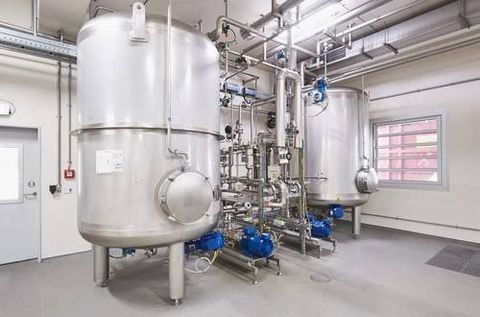
A typical aseptic beverage processing system can include heat treatment equipment, holding sections, sterile transfer equipment, filling machines, packaging units, sensors, control systems, and cleaning systems. Together, these components create a controlled production environment from processing through final packaging.
The approach is used for products such as dairy beverages, fruit drinks, plant-based beverages, nutritional liquids, sauces, and other liquid foods. Depending on the product, formulation, packaging format, and processing requirements, different equipment configurations may be used.
How the Process Works
An aseptic beverage production line usually follows several controlled stages. The exact sequence varies according to the beverage and the processing method, but common stages include:
- Product preparation and blending
- Heat treatment or sterilization
- Controlled cooling
- Sterile product transfer
- Container preparation
- Aseptic filling
- Package sealing
- Inspection and quality control
Aseptic processing equipment is designed to maintain controlled conditions throughout these stages. Sensors and automated controls can monitor temperature, pressure, flow, timing, and other process variables.
UHT beverage processing equipment is another important category within this field. UHT, or ultra-high-temperature processing, exposes a product to a high temperature for a controlled period before it is cooled and transferred under hygienic conditions. The exact temperature and holding time depend on the product and validated process.
Main Equipment Categories
An industrial aseptic processing equipment setup can contain several specialized components. Some facilities use integrated systems, while others combine equipment from different manufacturers.
| Equipment Category | Main Function | Typical Application |
|---|---|---|
| Heat treatment unit | Controlled thermal processing | Milk, juice, liquid foods |
| Sterile holding system | Maintains controlled product conditions | Aseptic production |
| Aseptic filling machine | Fills prepared containers | Bottles, cartons, pouches |
| Packaging equipment | Forms, seals, or closes packages | Multiple package formats |
| Sensors and controls | Monitors process conditions | Automated production |
| Cleaning system | Supports hygienic equipment maintenance | Processing lines |
| Inspection equipment | Checks packages and process outputs | Quality control |
Aseptic beverage filling equipment may be configured for bottles, cartons, or pouches. For example, an aseptic carton filling machine is designed around carton preparation, controlled filling, and sealing, while an aseptic pouch filling machine uses a different packaging format and sealing arrangement.
Importance
Why Hygienic Processing Matters
Microbial contamination is an important consideration in beverage manufacturing because microorganisms can affect product safety, stability, taste, and shelf life. Aseptic processing uses multiple controls to reduce the possibility of contamination after the product has undergone its required treatment.
An aseptic beverage filling line therefore involves more than simply placing liquid into a container. The processing environment, equipment surfaces, packaging materials, air conditions, product transfer routes, and sealing stages all need appropriate controls.
Factors That Affect Safety
The performance of an aseptic beverage processing system depends on several interconnected factors. A weakness in one stage can affect the overall process, which is why facilities normally use documented procedures and monitoring systems.
Important considerations include:
- Thermal processing: Temperature and exposure time must correspond to the validated process for the specific product.
- Equipment hygiene: Product-contact surfaces need appropriate cleaning and sanitation procedures.
- Sterile zones: Areas around filling and sealing require controlled conditions.
- Packaging integrity: Containers must remain properly sealed after filling.
- Process monitoring: Sensors and control systems help identify deviations.
- Operator procedures: Personnel must follow established hygiene and handling procedures.
- Environmental control: Air, surfaces, and equipment surroundings can influence contamination risks.
Where Aseptic Systems Are Used
Aseptic beverage processing equipment can be found in facilities producing a wide range of liquid products. Aseptic juice processing equipment may be configured differently from aseptic milk processing equipment because the products have different physical and chemical characteristics.
An aseptic dairy processing system may require controls related to milk composition, protein behavior, heat sensitivity, and cleaning requirements. Aseptic liquid food processing equipment can also be adapted for products with different viscosities, particles, acidity levels, and packaging requirements.
Recent Updates
Greater Process Automation
From 2024 through 2026, the general direction of aseptic beverage manufacturing has continued toward greater automation and digital process monitoring. Automated systems can collect information from temperature, pressure, flow, filling, and packaging stages, allowing production teams to identify deviations more quickly.
An automated aseptic processing system can connect multiple production stages through centralized controls. Automated data collection can also make it easier to maintain process records and compare operating conditions with established parameters.
More Integrated Production Lines
Aseptic processing line design is increasingly focused on integration between processing, filling, packaging, inspection, and control systems. An automated beverage processing line may connect several stages so that information can move between equipment without requiring separate manual records for every operation.
An aseptic processing line integrator may coordinate equipment interfaces, control architecture, utilities, packaging requirements, and production layouts. Custom aseptic processing system configurations can also be developed when a facility has specific product or packaging requirements.
Packaging Format Development
Packaging continues to be an important area of development. Aseptic bottling equipment, aseptic carton filling equipment, and pouch-based systems address different requirements related to material handling, sealing, transportation, storage, and product presentation.
Current development also includes more attention to material efficiency, equipment flexibility, digital monitoring, and compatibility with different packaging formats. These developments do not remove the need for validated hygiene and process controls.
Improved Monitoring and Data Handling
Aseptic processing automation increasingly uses digital interfaces and connected sensors. These systems can record process information such as temperature, pressure, flow rate, equipment status, and filling conditions.
Data can support traceability and process review when appropriately configured. However, automated monitoring does not replace equipment validation, sanitation procedures, maintenance, or trained personnel.
Tools and Resources
Process Monitoring Tools
Facilities using aseptic processing equipment commonly rely on temperature sensors, pressure transmitters, flow meters, conductivity sensors, timers, alarms, and programmable control systems. These instruments help monitor whether operating conditions remain within established parameters.
Calibration is also important because inaccurate measurements can affect process interpretation. The appropriate calibration approach depends on the instrument, process requirements, and applicable quality system.
Industry Standards and Guidance
Several types of technical resources can help readers understand aseptic production. Depending on the location and product category, useful resources may include:
- Food safety regulations from national authorities
- Good Manufacturing Practice guidance
- Hygienic design principles
- Equipment manufacturer manuals
- Packaging material specifications
- Validation and verification documentation
- Cleaning and sanitation procedures
- Food processing training materials
A GMP aseptic processing equipment environment generally relies on documented procedures, controlled operations, sanitation programs, and records that support consistent production.
Equipment Documentation
Documentation is another important resource when evaluating an aseptic beverage production line. Technical manuals can explain equipment operating limits, cleaning requirements, maintenance procedures, sensor functions, alarms, and recommended inspection intervals.
Aseptic beverage equipment manufacturers may provide technical documentation covering individual machines or complete production systems. For complex facilities, documentation can also include process diagrams, equipment layouts, control-system descriptions, and utility requirements.
FAQs
What is aseptic beverage processing?
Aseptic beverage processing is a controlled method for treating and packaging beverages while minimizing microbial contamination. It commonly combines thermal treatment, hygienic equipment, controlled filling conditions, and sealed packaging.
What does an aseptic beverage processing system include?
An aseptic beverage processing system may include product preparation equipment, heat treatment units, sterile holding components, transfer systems, filling machines, packaging equipment, sensors, automation controls, and cleaning systems.
How does an aseptic filling machine support beverage safety?
An aseptic filling machine is designed to fill and seal containers under controlled hygienic conditions. Its role is to help maintain the required environment between treated product and final package closure.
What is the difference between aseptic processing equipment and UHT processing equipment?
UHT processing refers specifically to a high-temperature treatment method, while aseptic processing covers a broader sequence involving product treatment, sterile handling, filling, and packaging. UHT beverage processing equipment can therefore be part of an overall aseptic production system.
What should be monitored in an aseptic beverage production line?
Important parameters can include product temperature, holding time, pressure, flow, equipment hygiene, sterile-zone conditions, container integrity, and filling performance. The exact parameters depend on the product and validated production process.
Conclusion
Aseptic beverage processing combines controlled thermal treatment, hygienic equipment, sterile handling, filling, and sealed packaging to manage microbial contamination risks. A complete aseptic beverage production line may include processing equipment, filling technology, packaging systems, sensors, automation, and cleaning systems. Developments from 2024 through 2026 have generally emphasized automation, integrated controls, digital monitoring, and flexible packaging formats. Understanding these components helps explain how aseptic systems are designed and why consistent process control is important.

Related Post...
Die Casting Machines: Types, Applications, Benefits and Buying Guide
Updated: October 22, 2026
Read More
Industrial Degasser: Types, Applications, Benefits and Working Principles
Updated: October 22, 2026
Read More
Jewelry Laser Welder Machine: Features, Benefits and Applications
Updated: October 22, 2026
Read More