Air Conditioning Guide: HVAC Systems, Replacement Options, and Energy Efficiency
Air conditioning systems are designed to remove heat and humidity from indoor spaces to maintain comfortable temperatures. Residential cooling systems are commonly part of a broader HVAC (heating, ventilation, and air conditioning) system that manages indoor temperature, air movement, and ventilation.
Common residential cooling technologies include:
- Central air conditioners
- Ductless mini-split systems
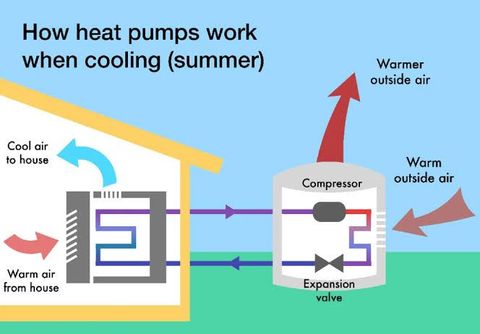
- Heat pumps
- Window air conditioners
- Portable air conditioners
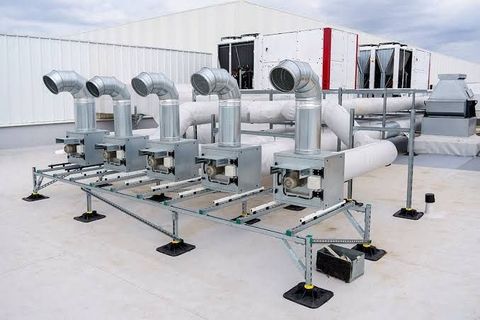
- Packaged HVAC systems
The appropriate system depends on the home's size, climate, existing ductwork, insulation, electrical infrastructure, cooling requirements, and local conditions.
Common Air Conditioning Systems
| System Type | General Characteristics | Typical Application |
|---|---|---|
| Central AC | Uses ductwork to distribute cooled air | Whole-home cooling |
| Ductless Mini-Split | Uses indoor units connected to an outdoor unit | Homes without extensive ductwork |
| Heat Pump | Provides heating and cooling | Year-round climate control |
| Window AC | Installed through a window or wall opening | Individual rooms |
| Portable AC | Mobile indoor cooling equipment | Smaller areas |
| Packaged HVAC | Combines major components in one outdoor unit | Selected residential and commercial buildings |
A qualified HVAC professional can assess whether a particular system is compatible with the building and existing infrastructure.
Importance
Air conditioning can affect indoor comfort, energy consumption, humidity control, and overall building performance. An improperly sized or poorly maintained cooling system may operate inefficiently and may not provide consistent indoor temperatures.
Air conditioning systems are especially important in regions experiencing:
- High summer temperatures
- High humidity
- Extended cooling seasons
- Heat waves
- Rapid temperature changes
Factors to Consider
When evaluating an AC system, homeowners commonly review:
- Home size
- Cooling load
- Climate
- Existing ductwork
- Insulation
- Air leakage
- Equipment efficiency
- Electrical requirements
- Refrigerant type
- Noise levels
- Maintenance requirements
- System age
Correct sizing is important. A system that is too large may cycle frequently, while an undersized system may struggle to maintain the desired indoor temperature during high outdoor temperatures.
Air Conditioning Replacement
Replacement may become relevant when an existing system experiences:
- Frequent breakdowns
- Reduced cooling performance
- Persistent refrigerant or mechanical problems
- High energy consumption
- Significant component deterioration
- Obsolete equipment
- Difficulty obtaining replacement components
The decision between repair and replacement depends on equipment condition, expected remaining life, repair requirements, efficiency, and the characteristics of the building.
Recent Updates
During 2025 and 2026, the U.S. HVAC industry has continued changing through updated efficiency requirements, refrigerant transitions, heat-pump adoption, smart controls, and connected HVAC technology.
Refrigerant Transition
One significant development has been the transition toward lower-global-warming-potential refrigerants in residential and light-commercial air-conditioning equipment.
The U.S. Environmental Protection Agency's American Innovation and Manufacturing (AIM) Act has established requirements affecting the phasedown of hydrofluorocarbon (HFC) refrigerants.
New equipment requirements can vary according to equipment type, installation date, and applicable regulations.
Homeowners replacing older equipment should confirm which refrigerant and equipment requirements apply to the new system.
Energy Efficiency
Modern HVAC systems increasingly emphasize improved efficiency through:
- Variable-speed compressors
- Variable-speed blowers
- Improved heat exchangers
- Advanced controls
- Better insulation
- Smart thermostats
- Improved system design
Efficiency ratings help consumers compare equipment, although actual energy use depends on climate, equipment sizing, building characteristics, thermostat settings, and maintenance.
Smart HVAC Technology
Connected HVAC systems may provide:
- Remote thermostat control
- Temperature scheduling
- Energy monitoring
- Equipment notifications
- Filter reminders
- Diagnostic information
- Home automation integration
These technologies can improve visibility into HVAC operation, although the available functions vary by system.
Laws or Policies
Air conditioning installation and replacement in the United States can be affected by federal regulations, state requirements, local building codes, electrical codes, refrigerant rules, and energy-efficiency standards.
Important areas include:
- EPA refrigerant regulations
- Department of Energy efficiency standards
- Local mechanical codes
- Electrical codes
- Building permits
- Refrigerant handling requirements
- Equipment certification requirements
Refrigerant Regulations
The EPA regulates refrigerants and their use under federal environmental laws. Certain refrigerants are subject to restrictions, phasedown requirements, and handling rules.
Technicians working with regulated refrigerants may need appropriate certification under applicable EPA requirements.
Energy Standards
Federal efficiency standards establish minimum performance requirements for certain residential air-conditioning and heat-pump equipment.
Efficiency requirements can vary by equipment category and region, so homeowners should verify the applicable requirements for their location and equipment type.
Installation Requirements
Depending on the project, local requirements may address:
- Electrical connections
- Refrigerant lines
- Condensate drainage
- Equipment clearances
- Outdoor-unit placement
- Ductwork
- Ventilation
- Structural supports
- Noise considerations
- Building permits
Local authorities determine which codes and permit requirements apply.
Tools and Resources
Homeowners can use various resources to research HVAC systems and organize maintenance.
Useful resources include:
- HVAC sizing calculators
- Energy-efficiency calculators
- Home energy audits
- Manufacturer specifications
- Equipment efficiency labels
- Thermostat guides
- HVAC maintenance checklists
- Air-filter replacement schedules
- Local building-code resources
- EPA refrigerant information
- Department of Energy efficiency resources
- HVAC inspection reports
Air Conditioning Evaluation Checklist
Before replacing an AC system, homeowners can review:
- Existing system age
- Equipment capacity
- Home size
- Current energy consumption
- Ductwork condition
- Insulation
- Indoor humidity
- Refrigerant type
- Electrical requirements
- Efficiency rating
- Warranty information
- Maintenance history
- Local installation requirements
A professional load calculation can help determine the appropriate equipment capacity instead of relying only on the size of the existing system.
HVAC Maintenance
Routine maintenance can include:
- Replacing or cleaning appropriate air filters
- Inspecting outdoor equipment
- Keeping outdoor coils clear of debris
- Checking condensate drainage
- Inspecting ductwork
- Checking electrical components
- Reviewing refrigerant-related issues
- Monitoring unusual noises or performance changes
Maintenance requirements vary by equipment and manufacturer instructions.
Frequently Asked Questions
How long does an air conditioner last?
Service life varies according to equipment type, installation quality, climate, operating hours, maintenance, and environmental conditions. An older system with repeated performance problems may require a professional evaluation.
When should an AC system be replaced?
Replacement may be considered when equipment is significantly deteriorated, repeatedly requires repairs, has declining performance, or no longer meets the home's cooling requirements.
What is the most energy-efficient air conditioning system?
Efficiency depends on the equipment and application. Modern high-efficiency systems, including appropriately selected heat pumps and variable-speed systems, can provide strong energy performance under suitable conditions.
What size air conditioner does a home need?
The required capacity depends on factors such as home size, climate, insulation, windows, orientation, air leakage, occupancy, and other building characteristics. A professional load calculation is more reliable than choosing equipment solely by square footage.
How can homeowners improve air-conditioning efficiency?
Efficiency can be supported through appropriate equipment sizing, regular maintenance, clean filters, adequate insulation, properly functioning ductwork, suitable thermostat settings, and efficient equipment.
Conclusion
Air conditioning systems play an important role in maintaining indoor comfort and managing temperature and humidity. Understanding HVAC systems, AC replacement options, installation requirements, maintenance, refrigerants, and energy efficiency can help homeowners evaluate cooling technologies more effectively.
During 2025 and 2026, the U.S. HVAC industry has continued evolving through refrigerant transitions, updated efficiency requirements, heat-pump adoption, variable-speed equipment, and smart HVAC controls.
Understanding air conditioning replacement, HVAC systems, central AC, ductless mini-splits, heat pumps, AC installation, energy-efficient air conditioners, refrigerant requirements, and HVAC maintenance provides a useful foundation for residential cooling decisions. Because equipment requirements, refrigerant rules, building codes, and permits can vary by location, homeowners should verify current local requirements and follow manufacturer specifications when installing or replacing HVAC equipment.

Related Post...
Fire Sprinkler Guide: Building Protection Systems, Installation, and Safety Standards
Updated: September 01, 2026
Read More
Roof Inspection Guide: Damage Assessment, Maintenance Planning, and Roofing Systems
Updated: August 24, 2026
Read More
HVAC Replacement Guide: Heating Systems, Cooling Equipment, and Energy Planning
Updated: September 02, 2026
Read More