Heat Pump Guide: Heating Technology, Energy Efficiency, and Home Climate Control
Heat Pump, Heat Pump Installation, Heat Pump Replacement, Heat Pump Systems, Air Source Heat Pump, Heat Pump Heating, Heat Pump Cooling, Heat Pump HVAC, Geothermal Heat Pump, Ductless Heat Pump, Energy Efficient Heating, Home Heating Systems, Heating and Cooling Systems, HVAC Systems, Heat Pump Efficiency, Cold Climate Heat Pump, Electric Heat Pump, Home Energy Efficiency, HVAC Replacement, Heat Pump Maintenance
Heat Pump Guide: Heating Technology, Energy Efficiency, and Home Climate Control
Understanding Heat Pumps
A heat pump is a heating and cooling system that transfers heat between indoor and outdoor environments. Unlike conventional systems that primarily generate heat, heat pumps move available thermal energy using a refrigeration cycle.
During cooling operation, a heat pump removes heat from an indoor space and transfers it outdoors. During heating operation, the process can be reversed, allowing the system to bring heat indoors.
This ability to provide both heating and cooling makes heat pumps an important part of modern home climate-control planning.
Common Heat Pump Types
Residential heat pumps can be categorized by their heat source and distribution method.
Air-source heat pumps
Ductless mini-split heat pumps
Geothermal heat pumps
Packaged heat pump systems
Dual-fuel or hybrid systems
Cold-climate heat pumps
The appropriate configuration depends on climate, building design, existing HVAC infrastructure, electrical capacity, and household requirements.
Heat Pump System Overview
| Heat Pump Type | General Application |
| Air-Source | Transfers heat between indoor air and outdoor air |
| Ductless Mini-Split | Provides heating and cooling without conventional ductwork |
| Geothermal | Exchanges heat with the ground |
| Packaged System | Integrates major components into one outdoor package |
| Hybrid System | Combines a heat pump with another heating technology |
| Cold-Climate System | Designed for effective operation in colder conditions |
Importance of Heat Pump Technology
Heating and cooling account for a significant portion of residential energy use, making HVAC efficiency an important consideration in home energy planning.
Heat pumps can provide:
Heating and cooling from one system
Efficient temperature control
Reduced reliance on combustion-based heating
Zoned climate control in selected configurations
Integration with smart thermostats
Compatibility with broader electrification strategies
Actual energy performance depends on equipment efficiency, outdoor temperatures, system sizing, installation quality, insulation, ductwork, and operating patterns.
When a Heat Pump May Be Considered
Homeowners may evaluate heat pump technology when:
Replacing aging HVAC equipment
Planning home electrification
Improving heating and cooling efficiency
Adding zoned temperature control
Building a new home
Upgrading an existing HVAC system
Replacing certain combustion-based heating equipment
A heat pump is not automatically the best choice for every property. Climate and building conditions should be evaluated before selecting equipment.
Heating and Cooling Performance
Heat pump performance changes with outdoor conditions.
During moderate weather, an air-source heat pump can efficiently transfer heat between the home and outdoor environment. As outdoor temperatures fall, the available heat in outdoor air decreases and system performance can change.
Modern equipment designed for colder climates incorporates technologies intended to maintain heating performance at lower temperatures.
Important Performance Factors
Homeowners may evaluate:
Heating capacity
Cooling capacity
Seasonal efficiency
Low-temperature performance
Defrost operation
Backup heating requirements
Indoor airflow
Noise levels
Thermostat compatibility
Equipment specifications should be compared under standardized testing conditions rather than relying only on general efficiency claims.
Energy Efficiency
Heat pump efficiency is influenced by both equipment performance and the building in which it operates.
Important factors include:
Equipment sizing
Insulation
Air sealing
Ductwork
Outdoor temperature
Thermostat settings
Maintenance
Installation quality
Indoor humidity
Occupancy patterns
Improving insulation and reducing uncontrolled air leakage can complement HVAC improvements by reducing heating and cooling demand.
Heat Pump Efficiency Ratings
Depending on equipment type, homeowners may encounter measurements such as:
SEER2: Seasonal cooling efficiency.
EER2: Cooling efficiency under specified conditions.
HSPF2: Seasonal heating efficiency for applicable heat pumps.
COP: Ratio comparing useful heating or cooling output with energy input under specified conditions.
These metrics provide standardized information but should be considered alongside capacity and climate suitability.
Installation Planning
Correct installation is important for heat pump performance.
A typical planning process may involve:
Evaluating the existing HVAC system.
Assessing the home's heating and cooling requirements.
Reviewing insulation and air leakage.
Examining existing ductwork where applicable.
Confirming electrical requirements.
Selecting compatible equipment.
Planning indoor and outdoor unit locations.
Configuring controls.
Testing system performance.
Improper sizing or installation can affect comfort, efficiency, equipment operation, and system longevity.
Ducted vs. Ductless Systems
Ducted heat pumps distribute conditioned air through existing or newly installed ductwork.
Ductless systems use indoor air-handling units connected to an outdoor heat-pump unit and can provide temperature control for individual zones.
| Factor | Ducted System | Ductless System |
| Air Distribution | Ductwork | Individual indoor units |
| Zoning | Possible | Commonly supported |
| Existing Ductwork | Can utilize it | Not required |
| Installation | Depends on duct condition | Requires indoor unit placement |
| Application | Whole-home systems | Individual rooms or zones |
The better configuration depends on the home's layout and existing infrastructure.
Recent Updates
During 2025 and 2026, heat pump technology continued developing around cold-climate performance, variable-speed compressors, connected controls, higher efficiency, and lower-impact refrigerants.
Cold-Climate Technology
Newer cold-climate heat pumps are designed to maintain useful heating performance under lower outdoor temperatures.
Features may include:
Variable-speed compressors
Advanced refrigerant controls
Improved defrost cycles
Enhanced outdoor-unit design
Smart temperature management
Backup heating integration
Performance varies by model and climate, so manufacturer specifications should be reviewed carefully.
Variable-Speed Operation
Many modern systems use variable-speed compressors or fans to adjust operation according to heating or cooling demand.
This can allow the system to operate at different output levels rather than repeatedly switching between full output and complete shutdown.
Smart Climate Controls
Modern heat pumps may integrate with:
Wi-Fi thermostats
Mobile applications
Remote monitoring
Scheduling systems
Occupancy sensors
Zoning controls
Energy-monitoring platforms
Connected controls can improve visibility and scheduling, although compatibility varies by equipment.
Refrigerant and Environmental Policies
The U.S. HVAC sector is transitioning toward refrigerants with lower global warming potential under federal environmental regulations.
The Environmental Protection Agency's Technology Transitions program establishes restrictions and compliance dates for certain refrigeration and air-conditioning equipment. Requirements vary by equipment category and implementation schedule. (epa.gov)
Homeowners evaluating a new heat pump should confirm that the selected equipment and refrigerant configuration comply with current requirements.
Federal Energy Standards
The U.S. Department of Energy establishes energy-conservation standards for covered residential equipment. Federal efficiency requirements can change as regulations are updated.
Equipment should therefore be evaluated using current specifications applicable to the particular product and installation location. (energy.gov)
Local Requirements
Heat pump projects can also be affected by:
Building codes
Electrical codes
Mechanical codes
Permit requirements
Local energy codes
Equipment placement rules
Utility requirements
Local authorities should be consulted where applicable.
Tools and Resources
Useful heat pump planning resources include:
HVAC load calculations
Manufacturer performance specifications
Energy-efficiency rating information
Thermostat compatibility guides
Ductwork assessments
Home energy assessments
Insulation evaluations
Building-code references
Electrical-system evaluations
Maintenance documentation
Heat Pump Planning Checklist
Before selecting a system, homeowners can review:
Home size and layout
Local climate
Heating requirements
Cooling requirements
Existing HVAC equipment
Equipment capacity
Efficiency ratings
Electrical capacity
Ductwork condition
Insulation
Air leakage
Indoor-unit placement
Outdoor-unit location
Backup heating requirements
Refrigerant requirements
Local permits
Heat Pump Maintenance
Routine maintenance helps support reliable HVAC operation.
Depending on the system, maintenance may include:
Cleaning or replacing filters
Inspecting outdoor coils
Checking airflow
Maintaining drainage systems
Inspecting electrical components
Checking ductwork
Reviewing thermostat operation
Removing debris around outdoor equipment
Technical refrigerant or electrical work should be handled by appropriately qualified professionals.
Frequently Asked Questions
How does a heat pump work?
A heat pump transfers heat between indoor and outdoor environments using a refrigeration cycle. The direction of heat transfer can be reversed so that the same system can provide heating or cooling.
Can a heat pump work in cold climates?
Yes. Heat pumps designed for cold climates can provide heating at relatively low outdoor temperatures. However, performance varies by equipment, climate, building characteristics, and operating conditions.
Are heat pumps used for both heating and cooling?
Many residential heat pumps provide both functions. In heating mode, the system transfers heat indoors; in cooling mode, it transfers indoor heat outdoors.
What is the difference between a heat pump and a furnace?
A heat pump primarily transfers heat, while a conventional furnace generates heat, typically through combustion or electrical resistance. Their efficiency, infrastructure requirements, and operating characteristics differ.
Does a heat pump require backup heating?
Not always. Backup heating requirements depend on climate, equipment capacity, building heat demand, and the selected system configuration.
Conclusion
Heat pumps combine heating, cooling, energy efficiency, and modern climate-control technology within a single HVAC approach. Air-source, ductless, geothermal, packaged, and cold-climate systems provide different configurations for residential applications.
During 2025 and 2026, advances in variable-speed technology, cold-climate operation, connected controls, efficiency, and refrigerant technology continued shaping the heat pump market.
Homeowners considering heat pump technology should evaluate climate, heating and cooling requirements, equipment capacity, efficiency ratings, insulation, ductwork, electrical requirements, controls, refrigerant regulations, and local building requirements.
The appropriate system depends on the individual property's design, climate, existing infrastructure, and household requirements.
Disclaimer
This article provides general educational information about heat pumps and residential climate control in the United States. It is not engineering, HVAC, energy-audit, or individualized professional advice. System selection, sizing, installation, efficiency, electrical requirements, permits, and regulatory obligations vary by property and jurisdiction. Consult an appropriately qualified HVAC professional and verify current local requirements before making project decisions.

Related Post...
Commercial HVAC Guide: Heating Systems, Cooling Equipment, and Facility Management
Updated: September 01, 2026
Read More
Roof Inspection Guide: Damage Assessment, Maintenance Planning, and Roofing Systems
Updated: August 24, 2026
Read More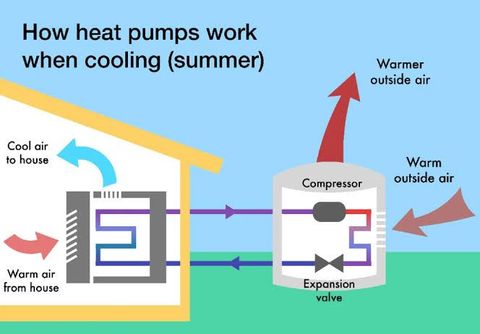
Heat Pump Guide: Heating Technology, Energy Efficiency, and Home Climate Control
Updated: September 02, 2026
Read More