Accounts Payable Optimization: Strategies, Benefits and Best Practices
Accounts payable optimization is an important strategy for businesses that want to improve financial efficiency, reduce administrative costs, and manage supplier payments more effectively.
As organizations handle increasing invoice volumes and more complex financial operations, optimizing accounts payable processes can help finance teams improve accuracy, strengthen internal controls, and maintain better relationships with vendors.
Traditional accounts payable processes often rely on manual data entry, paper invoices, email approvals, and repetitive reconciliation tasks. These activities can create delays, increase the risk of errors, and make it difficult to monitor outstanding liabilities.
By combining standardized workflows, automation, accurate financial data, and effective payment controls, businesses can transform accounts payable into a more efficient and transparent function.
What Is Accounts Payable Optimization?
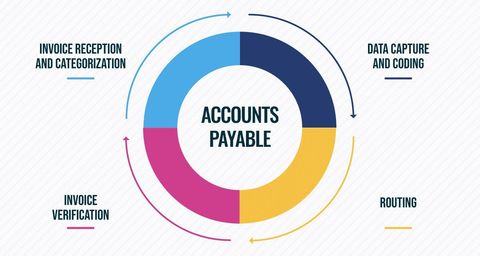
Accounts payable optimization is the process of improving how a business receives, verifies, approves, records, and pays supplier invoices.
The objective is to make the accounts payable process faster, more accurate, more cost-effective, and easier to manage without weakening financial controls.
An optimized accounts payable process typically includes:
Efficient invoice capture and processing
Automated approval workflows
Accurate invoice matching and validation
Timely supplier payments
Improved cash flow visibility
Stronger fraud prevention and compliance
Better reporting and performance monitoring
Accounts payable optimization may involve introducing new software, redesigning existing procedures, improving communication with suppliers, or simplifying approval structures.
The most effective approach depends on the organization's size, transaction volume, industry, financial systems, and operational requirements.
Why Is Accounts Payable Optimization Important?
Accounts payable directly affects cash flow, supplier relationships, financial reporting, and operational efficiency.
When invoices are processed manually, finance teams may spend significant time correcting errors, locating documents, following up on approvals, and resolving payment discrepancies.
Optimization helps reduce these challenges while allowing finance professionals to focus on more valuable activities, such as cash flow planning, financial analysis, and supplier management.
Reduce Administrative Costs
Manual invoice processing requires employee time for data entry, document handling, verification, and payment preparation. Repetitive work can increase the cost of processing each invoice.
Standardized procedures and automation can reduce unnecessary manual effort and help businesses handle higher invoice volumes without a proportional increase in administrative workload.
Improve Invoice Accuracy
Incorrect invoice amounts, duplicate submissions, missing purchase orders, and inaccurate supplier information can create payment problems.
Automated validation and matching procedures can identify inconsistencies before invoices are approved. Human review remains important for unusual transactions and exceptions that require judgment.
Accelerate Invoice Approvals
Delayed approvals can lead to missed payment deadlines, late fees, and strained supplier relationships.
A clearly defined approval workflow helps route invoices to the correct individuals and makes it easier to identify pending tasks. Automated reminders and escalation rules can further reduce unnecessary delays.
Strengthen Cash Flow Management
Accounts payable data provides insight into upcoming financial obligations. Better visibility into approved invoices, payment due dates, and outstanding liabilities helps finance teams forecast cash requirements more accurately.
This allows businesses to coordinate payments with receivables, operating expenses, and available working capital.
Key Strategies for Accounts Payable Optimization
Improving accounts payable requires a structured approach that addresses both technology and business processes.
1. Automate Invoice Processing
Invoice automation is one of the most effective ways to improve accounts payable efficiency.
Modern systems can capture invoice information from digital documents, identify key fields, validate supplier details, and transfer data into accounting or enterprise resource planning systems.
Optical character recognition and AI-powered document processing may help extract information from invoices, including supplier names, invoice numbers, tax amounts, dates, and line items.
However, extracted data should be checked through validation rules and exception handling. Automation does not eliminate the need for controls, especially when documents are unclear or supplier information changes.
2. Standardize Approval Workflows
Businesses should establish clear rules for invoice approval based on transaction value, department, purchase category, and organizational responsibility.
For example, a routine invoice may require approval from a department manager, while a high-value transaction may require additional authorization from finance leadership.
Standardized workflows reduce confusion and help prevent invoices from remaining unattended in individual inboxes.
Approval rules should also address employee absences, disputed invoices, emergency purchases, and changes to supplier payment information.
3. Implement Three-Way Matching
Three-way matching compares three documents before a supplier invoice is approved for payment:
The purchase order
The goods receipt or service confirmation
The supplier invoice
The purpose is to verify that the goods or services ordered were received and that the invoiced quantities and prices are consistent with the supporting records.
Automated matching can identify differences in quantities, pricing, taxes, or other relevant fields. Invoices that exceed defined tolerances can be routed for further review rather than approved automatically.
This process is particularly valuable for businesses with high purchasing volumes or complex supply chains.
4. Eliminate Duplicate Payments
Duplicate payments can occur when the same invoice is submitted through multiple channels, entered more than once, or processed under slightly different document references.
Businesses can reduce this risk by checking invoice numbers, supplier identifiers, invoice dates, amounts, and purchase order references.
Duplicate detection should consider variations in formatting and data entry. Suspected duplicates should be reviewed before payment, since legitimate invoices may share similar characteristics.
5. Optimize Payment Scheduling
Paying invoices too early can reduce available working capital, while paying late can damage supplier relationships or trigger penalties.
Accounts payable teams should schedule payments according to contractual terms, available cash, supplier agreements, and any early-payment discounts.
Payment optimization does not mean delaying every invoice until the last possible moment. Critical suppliers, contractual obligations, and negotiated terms should remain priorities.
A reliable payment calendar helps businesses coordinate obligations and maintain better control over cash flow.
6. Improve Supplier Management
Accurate supplier records are essential for efficient invoice processing.
Organizations should maintain verified supplier information, including legal names, tax details where applicable, payment terms, bank account information, and contact details.
Changes to supplier banking information should be independently verified through established procedures rather than accepted solely through email instructions.
A structured supplier onboarding process can reduce errors, improve compliance, and lower the risk of fraudulent payment requests.
The Role of Accounts Payable Automation Software
Accounts payable automation software can support invoice capture, approval routing, matching, payment preparation, and financial reporting.
Depending on the product, the software may integrate with accounting platforms, enterprise resource planning systems, procurement tools, and banking services.
Important capabilities to evaluate include:
Invoice data capture: Extracts relevant information from invoices and reduces manual entry.
Workflow automation: Routes invoices according to approval policies and organizational responsibilities.
Matching and validation: Compares invoices against purchase orders, receipts, and supplier records.
Exception management: Identifies discrepancies and directs them to the appropriate team members.
Audit trails: Records relevant actions, approvals, and changes for review.
Reporting and analytics: Provides information about processing times, outstanding invoices, payment obligations, and recurring exceptions.
System integration: Connects accounts payable workflows with existing financial systems to reduce duplicate data entry.
When selecting software, businesses should evaluate integration requirements, data security, access controls, implementation costs, usability, and vendor support.
Key Metrics for Measuring Accounts Payable Performance
Measuring performance helps organizations understand whether their optimization efforts are delivering results.
Metric | What It Measures | Why It Matters |
|---|---|---|
Invoice processing time | Time required to process an invoice | Identifies delays and workflow bottlenecks |
Cost per invoice | Average cost of processing each invoice | Helps evaluate operational efficiency |
First-pass match rate | Percentage of invoices matched without manual intervention | Indicates data quality and process consistency |
On-time payment rate | Percentage of invoices paid by their due dates | Helps monitor payment discipline |
Exception rate | Percentage of invoices requiring additional review | Highlights recurring discrepancies |
Duplicate payment rate | Frequency of duplicate payments | Measures an important financial control risk |
Days payable outstanding | Average time taken to pay suppliers, relative to purchasing activity | Supports working capital analysis |
Metrics should be interpreted together rather than in isolation. For example, extending payment times may increase days payable outstanding but could harm supplier relationships if contractual terms are ignored.
Businesses should establish baseline measurements before implementing changes and track progress over time.
Common Challenges in Accounts Payable Optimization
Although optimization can deliver meaningful improvements, organizations may encounter several obstacles.
Poor Invoice Data Quality
Incomplete purchase orders, inconsistent supplier details, and unclear invoice formats can reduce automation accuracy.
Businesses should improve data standards, supplier onboarding, and document validation before expecting automation to perform reliably.
Resistance to Process Changes
Employees may be accustomed to established manual procedures and reluctant to adopt new workflows.
Clear communication, practical training, and phased implementation can help employees understand the benefits and use the new systems effectively.
Integration Difficulties
Accounts payable software may need to exchange information with existing accounting systems, procurement platforms, and payment tools.
Organizations should assess integration requirements early and test data flows before deploying new processes across the business.
Fraud and Cybersecurity Risks
Digital payment workflows can introduce risks involving unauthorized access, fraudulent invoices, compromised email accounts, and changes to supplier banking information.
Strong access controls, segregation of duties, independent verification, payment approval limits, and regular monitoring are essential safeguards.
Complex Exception Handling
Not every invoice can be processed automatically. Pricing disputes, incomplete documentation, unusual purchases, and tax discrepancies may require human intervention.
Effective optimization focuses on resolving exceptions efficiently rather than trying to automate every transaction regardless of its complexity.
Best Practices for Successful Accounts Payable Optimization
Businesses can improve their chances of success by following a structured implementation process.
First, document the existing accounts payable workflow and identify the main causes of delays, errors, and unnecessary costs.
Second, standardize invoice formats, supplier records, approval rules, and payment procedures where practical.
Third, prioritize high-volume, repetitive tasks that are suitable for automation. Begin with a controlled pilot, measure the results, and address problems before expanding the solution.
Fourth, establish clear responsibilities for invoice approval, supplier changes, payment authorization, and exception resolution.
Finally, review performance metrics regularly and update procedures as transaction volumes, business requirements, and technology change.
Continuous improvement helps ensure that accounts payable optimization remains effective as the organization grows.
Conclusion
Accounts payable optimization helps businesses streamline invoice processing, improve payment accuracy, strengthen financial controls, and manage working capital more effectively.
By combining automation, standardized workflows, three-way matching, supplier management, and performance measurement, organizations can reduce administrative burdens and improve financial visibility.
Successful optimization requires more than implementing new software. Businesses must also maintain accurate data, establish clear responsibilities, protect payment processes, and provide employees with appropriate training.

Related Post...

Asset Allocation Strategies: A Complete Guide to Building a Balanced Portfolio
Updated: October 26, 2026
Read More
Banking Automation Solutions: How Automation Is Transforming Modern Banking
Updated: October 26, 2026
Read More
Arbitrage Trading Strategies: Types, Techniques, and How They Work
Updated: October 26, 2026
Read More