In earlier decades, industries relied on manual monitoring and periodic reporting. As digital technologies evolved, machines began generating continuous streams of information. Industrial Data Analytics Systems emerged to make sense of this data, helping organizations understand performance patterns, detect irregularities, and improve operational efficiency.
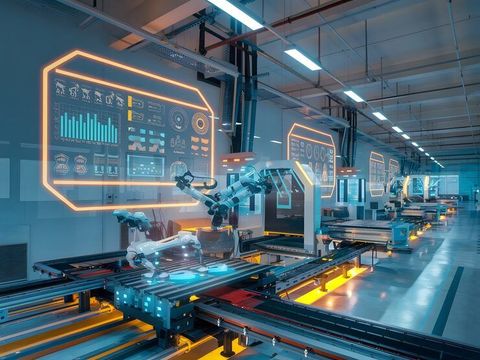
At their core, these systems combine hardware such as sensors and connected devices with software platforms that analyze data. The integration of cloud computing and edge processing has further expanded their capabilities, allowing faster and more localized decision-making.
Importance
Industrial Data Analytics Systems play a key role in modern industries by helping organizations respond to real-world challenges. These include equipment breakdowns, inefficient resource use, and unexpected production delays. By analyzing data in real time or over longer periods, these systems provide insights that support better planning and operations.
For example, predictive maintenance is one area where these systems are widely used. Instead of waiting for a machine to fail, data analytics can identify warning signs early. This reduces downtime and helps maintain consistent output.
Another important aspect is quality control. By monitoring production data, manufacturers can identify variations and maintain consistent product standards. This is particularly useful in industries where precision is critical.
Industrial Data Analytics Systems also support sustainability efforts. By tracking energy usage and resource consumption, organizations can identify areas where waste can be reduced. This has both environmental and operational benefits.
Key areas where these systems make a difference include:
- Improving equipment reliability through early fault detection
- Enhancing production efficiency by analyzing workflow patterns
- Supporting safety by identifying risk factors in operations
- Enabling better decision-making using accurate data insights
Recent Updates
Recent developments in Industrial Data Analytics Systems reflect the growing importance of digital transformation across industries. One major trend is the integration of artificial intelligence and machine learning. These technologies allow systems to not only analyze data but also learn from it over time, improving accuracy in predictions and recommendations.
Edge computing has also gained attention. Instead of sending all data to centralized servers, processing is done closer to where data is generated. This reduces delays and allows faster responses, especially in time-sensitive operations.
Another development is the use of digital twins. A digital twin is a virtual model of a physical system that mirrors its real-time behavior. By combining Industrial Data Analytics Systems with digital twins, organizations can simulate different scenarios and understand potential outcomes without interrupting actual operations.
Cloud-based platforms continue to expand as well. They provide scalable environments for storing and analyzing large datasets, making advanced analytics more accessible across different industries.
Laws or Policies
Industrial Data Analytics Systems are influenced by various laws and policies, particularly those related to data protection, cybersecurity, and industrial safety. These regulations vary by country but share common goals of ensuring responsible data use and protecting sensitive information.
In India, for example, data protection frameworks emphasize the secure handling of personal and operational data. Industries using analytics systems must ensure that collected data is stored and processed in compliance with these regulations.
Cybersecurity guidelines are also important. As industrial systems become more connected, they are exposed to potential cyber risks. Policies often require organizations to implement safeguards such as encryption, access controls, and regular system audits.
Environmental regulations may also intersect with data analytics. Systems that monitor emissions or energy usage must align with reporting requirements set by authorities. This ensures transparency and accountability in industrial operations.
Tools and Resources
Various tools and platforms support the implementation and use of Industrial Data Analytics Systems. These tools help collect, process, visualize, and interpret data effectively.
Common categories include:
- Data collection tools such as IoT sensors and industrial gateways that capture real-time information
- Data processing platforms like Apache Hadoop and Apache Spark, which handle large datasets
- Visualization tools such as dashboards that present data in an understandable format
- Analytics software that uses statistical models and machine learning techniques
Below is a simple overview of how different components work together:
| Component | Function Description |
|---|---|
| Sensors and Devices | Collect data from machines and environments |
| Data Storage Systems | Store structured and unstructured data |
| Analytics Engines | Process and analyze data for patterns and insights |
| Visualization Tools | Display data through charts, graphs, and dashboards |
| Integration Platforms | Connect systems across different departments |
Educational platforms, technical documentation, and industry standards organizations also provide useful learning resources. These materials help individuals understand how Industrial Data Analytics Systems are designed and applied in real-world scenarios.
FAQs
What are Industrial Data Analytics Systems used for?
Industrial Data Analytics Systems are used to analyze data from machines and processes. They help improve efficiency, monitor performance, and detect issues early in industrial environments.
How do Industrial Data Analytics Systems improve productivity?
They improve productivity by identifying inefficiencies, predicting equipment failures, and supporting better planning. This allows smoother operations and reduced interruptions.
Are Industrial Data Analytics Systems only for large industries?
No, these systems can be adapted for different scales. Small and medium-sized industries also use them to monitor operations and improve performance, depending on their needs.
What technologies are commonly used in Industrial Data Analytics Systems?
Common technologies include sensors, cloud computing, edge computing, and machine learning. These tools work together to collect and analyze data efficiently.
Is data security important in Industrial Data Analytics Systems?
Yes, data security is essential. These systems handle sensitive operational data, so proper safeguards are needed to prevent unauthorized access and ensure reliable operations.
Conclusion
Industrial Data Analytics Systems have become an important part of modern industrial environments. They help transform raw data into meaningful insights that support efficient and safe operations. With ongoing advancements in technology, these systems continue to evolve and expand their applications. Understanding their basic structure and purpose helps individuals and organizations better navigate the changing industrial landscape.