These tanks are widely used in industries such as energy, medical research, food processing, and aerospace. By keeping materials in a cryogenic state, they enable applications ranging from rocket fuel storage to medical oxygen supply.
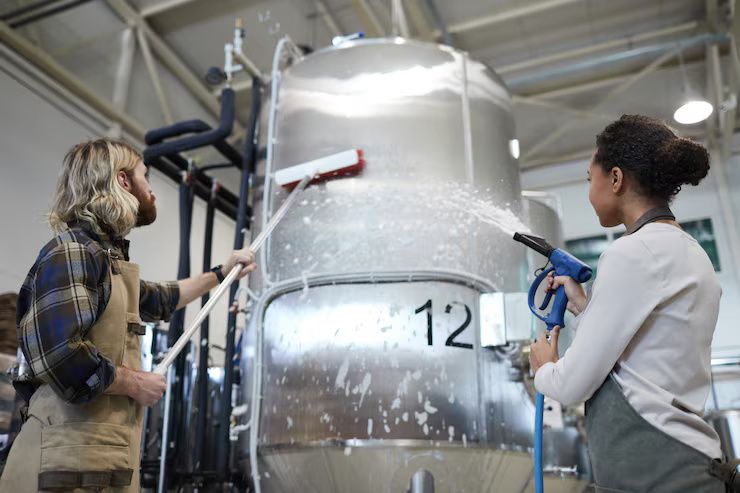
A cryogenic tank usually consists of an inner vessel made from stainless steel and an outer vessel that provides insulation, often through vacuum technology. This dual-wall design prevents heat transfer, maintaining the low temperature required for cryogenic materials.
Importance
Cryogenic tanks play a vital role in modern industry and science. Their significance lies in enabling the safe handling of materials that are essential for various technologies and applications.
Some of their key benefits and uses include:
-
Energy and fuel storage: Liquefied natural gas (LNG) is stored in cryogenic tanks for efficient transportation and use in clean energy systems.
-
Healthcare and biotechnology: Hospitals and labs use cryogenic tanks to store medical oxygen, vaccines, and biological samples such as stem cells or blood plasma.
-
Industrial manufacturing: Gases like nitrogen and argon are used for metal fabrication, semiconductor production, and cooling systems.
-
Space and aerospace programs: Cryogenic fuels such as liquid hydrogen and oxygen power rockets and spacecraft.
Without these tanks, handling low-temperature gases safely and efficiently would be impossible. They also help industries transition toward cleaner fuels and advanced technologies that rely on precise temperature control.
Recent Updates
Between 2024 and 2025, significant innovations and trends have reshaped the cryogenic storage and transport sector:
-
Hydrogen energy expansion (2025): With global investments in hydrogen fuel, new cryogenic systems are being developed to store liquid hydrogen efficiently and safely.
-
Advanced insulation materials (2024): Research has led to improved multilayer insulation systems that reduce evaporation losses and improve energy efficiency.
-
Automation and remote monitoring (2025): Modern tanks now integrate with IoT and AI technologies, allowing operators to monitor pressure, temperature, and safety remotely.
-
Sustainable tank design (2024): Manufacturers are focusing on lightweight and recyclable materials to reduce the carbon footprint of cryogenic storage systems.
-
Global LNG infrastructure growth (2025): Expanding LNG terminals in Asia, Europe, and the Middle East has increased demand for large-scale cryogenic storage tanks.
These advancements show how cryogenic technology is adapting to new energy systems, environmental goals, and industrial efficiency requirements.
Laws or Policies
Cryogenic tank production and use are governed by strict international and national regulations to ensure safety, environmental protection, and operational reliability.
Key standards and regulatory frameworks include:
-
ASME Boiler and Pressure Vessel Code (United States): Establishes safety and design standards for cryogenic vessels.
-
European Pressure Equipment Directive (PED): Regulates the design, manufacture, and conformity of pressure-containing equipment in the European Union.
-
ISO Standards (International): ISO 21009 and ISO 20421 define specifications for cryogenic vessels and their safety requirements.
-
Department of Transportation (DOT) Regulations: In many countries, these laws govern the transportation of cryogenic liquids by road, rail, or ship.
-
Environmental and Safety Programs: Government initiatives promote safe handling of liquefied gases and encourage development of low-emission technologies using cryogenic systems.
Compliance with these standards ensures that cryogenic tanks operate safely and meet environmental and performance criteria globally.
Tools and Resources
Professionals and engineers working with cryogenic tanks often rely on specialized tools, software, and reference materials. Some useful resources include:
-
Cryogenic tank design software: Tools like Aspen HYSYS and SolidWorks Cryo help model insulation systems, pressure control, and material selection.
-
Temperature and pressure calculators: Online tools allow accurate conversions and estimations for cryogenic liquid behavior.
-
Monitoring platforms: IoT-based dashboards track tank pressure, temperature, and fill levels in real time.
-
Safety and training materials: Organizations like CGA (Compressed Gas Association) and EIGA (European Industrial Gases Association) publish safety manuals and technical guidelines.
-
Industry research databases: Websites such as ScienceDirect and ResearchGate provide technical papers on cryogenic material performance and innovations.
These resources help professionals ensure that cryogenic systems meet operational, environmental, and safety expectations.
Example Table: Common Cryogenic Liquids and Their Boiling Points
| Cryogenic Liquid | Boiling Point (°C) | Common Application |
|---|---|---|
| Liquid Nitrogen | -196°C | Food freezing, laboratory cooling |
| Liquid Oxygen | -183°C | Medical and aerospace industries |
| Liquid Hydrogen | -253°C | Fuel for rockets, clean energy |
| Liquid Argon | -186°C | Welding, electronics manufacturing |
| LNG (Methane) | -162°C | Energy storage and transportation |
FAQs
What is the main purpose of a cryogenic tank?
A cryogenic tank is used to store and transport gases or liquids at extremely low temperatures to maintain their liquid state safely and efficiently.
What materials are used to build cryogenic tanks?
Most tanks are made from stainless steel or aluminum alloys for durability and corrosion resistance. The insulation layer may use vacuum panels or multilayer composites to minimize heat transfer.
Are cryogenic tanks safe?
Yes, when properly designed and maintained, cryogenic tanks are highly safe. They must comply with international safety standards that cover pressure containment, insulation, and handling procedures.
Can cryogenic tanks store hydrogen fuel?
Yes, cryogenic tanks are essential for storing liquid hydrogen, which must be maintained at around -253°C. This technology supports the growing hydrogen energy market.
How are cryogenic tanks maintained?
Routine inspections focus on insulation integrity, pressure relief valves, and leak testing. Automated systems can help detect irregularities in temperature or pressure early.
Conclusion
Cryogenic tanks are critical to modern industries that depend on the storage and transport of liquefied gases. Their design, efficiency, and safety features make them indispensable in sectors like energy, healthcare, research, and manufacturing.
As the world transitions to cleaner energy sources and advanced technologies, the importance of cryogenic systems continues to rise. Innovations in hydrogen storage, insulation materials, and digital monitoring are making these tanks smarter, safer, and more sustainable.