Wondershare Filmora Guide: Explore Video Editing Features, Tools, Effects, and Creative Techniques
Wondershare Filmora is a video editing application designed to help users create, organize, and refine video content.
Its editing features include timeline editing, transitions, visual effects, audio adjustments, titles, color correction, and tools that use artificial intelligence for selected tasks.
This Wondershare Filmora guide explains the software's main features, editing tools, creative techniques, recent developments, and relevant digital media policies. Whether someone is learning video editing for the first time or exploring more advanced techniques, understanding these functions can help them develop an organized editing workflow.
Context – Understanding Wondershare Filmora
Wondershare Filmora is a video editing program developed by Wondershare. It is designed for users who want to combine video clips, images, audio, text, and visual effects into a finished project without necessarily using a highly complex professional editing workflow.
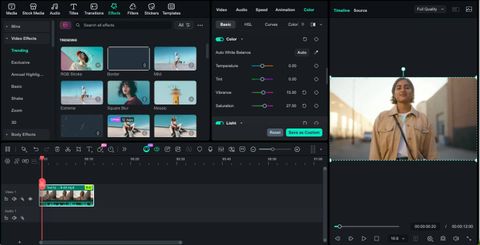
The software provides a timeline-based editing environment. Users can arrange clips, trim unwanted sections, split footage, adjust playback speed, add transitions, and combine multiple audio and video tracks.
Filmora supports creative projects such as educational videos, personal recordings, presentations, tutorials, short films, and social media content. Available features and export options may differ by version, operating system, subscription arrangement, and regional availability.
The following table summarizes common Filmora video editing features.
| Feature | Main purpose | Example use |
|---|---|---|
| Timeline editing | Arrange and refine media clips | Create a structured video |
| Transitions | Connect consecutive scenes | Move smoothly between clips |
| Effects and filters | Change visual appearance | Create a specific visual mood |
| Titles and text | Display written information | Add introductions and captions |
| Audio editing | Adjust sound and music | Balance narration and background audio |
| Color correction | Adjust brightness, contrast, and color | Improve visual consistency |
| Speed controls | Change playback speed | Create slow-motion or time-lapse effects |
| AI-assisted tools | Automate selected editing tasks | Generate captions or assist with background removal |
These tools serve different purposes. Good editing usually depends on selecting the appropriate features rather than adding as many effects as possible.
Importance – Why Video Editing Skills Matter
Video editing helps transform raw recordings into clear, organized visual communication. It can improve the structure of educational lessons, demonstrations, presentations, personal projects, and other forms of digital content.
Filmora's interface can help beginners understand important editing concepts, including clip arrangement, transitions, sound synchronization, and visual continuity. More experienced users can explore multilayer timelines, keyframe animation, advanced color adjustments, and other techniques where supported by their software version.
Video editing knowledge can also help users make better decisions about content quality. For example, clear narration, readable titles, balanced audio, and consistent pacing can make a video easier to follow.
Important editing practices include:
Organizing footage into folders before editing.
Keeping a clear sequence of scenes.
Removing unnecessary pauses and repeated material.
Using transitions only when they support the intended flow.
Maintaining consistent audio levels.
Checking titles and captions for spelling and readability.
Reviewing the exported video on the intended playback device.
Export settings also matter. Resolution, frame rate, bitrate, and video format influence the final file's appearance, compatibility, and size. A suitable export configuration depends on the original footage and the intended viewing platform.
Recent Updates – Video Editing and AI Features
Video editing software continues to develop alongside artificial intelligence, higher-resolution cameras, and the growing use of short-form video. Filmora has introduced AI-assisted capabilities across various versions, although exact tools and availability can change.
Examples of AI-related editing functions include automatic caption generation, speech-related editing, background removal, smart scene detection, and tools that assist with visual or audio adjustments. The precise feature set depends on the version and applicable usage limits.
AI-assisted tools can reduce repetitive work, but their output still requires review. Automatically generated captions may misinterpret names or technical terms, while background removal can produce visible errors around hair, transparent objects, or moving subjects.
Other developments in video editing include:
Greater attention to vertical and square video formats.
Improved workflows for captions and accessibility.
More advanced color grading and motion effects.
Editing workflows that combine recorded footage with generated visual material.
Increased emphasis on hardware acceleration and efficient media handling.
Users should consult their installed version's documentation to confirm which tools are available. A feature shown in a tutorial may not appear in an older version or on every supported operating system.
Laws or Policies – Copyright, Privacy, and Digital Media
Creating a video involves more than technical editing. Copyright, privacy, publicity rights, and platform rules may affect how footage, music, images, voices, and other materials can be used.
Copyright law generally protects qualifying creative works, including music, films, photographs, illustrations, and other original material. Adding copyrighted music to a video does not automatically become lawful simply because the video is short or intended for social media.
Users should check whether they have permission to use each asset and whether the relevant license covers the intended distribution. Music licensed for personal use, for example, may have different conditions from music permitted in commercial projects.
Privacy requirements may also apply when videos contain identifiable individuals, private locations, personal information, or recorded conversations. The applicable rules depend on the jurisdiction and circumstances.
Several practical considerations are important:
Use footage, music, fonts, and graphics with appropriate permissions.
Review the license conditions for stock media and AI-generated assets.
Obtain consent when required for recording or publishing identifiable people.
Avoid including confidential information in screen recordings.
Follow the content and copyright policies of the intended publishing platform.
Check whether an AI-generated voice or likeness could mislead viewers or violate someone's rights.
In India, copyright matters are addressed under the Copyright Act, 1957, as amended. Other countries have their own copyright and privacy frameworks. Filmora's editing capabilities do not determine whether a particular use of media is legally permitted.
Tools and Resources – Learning Filmora Editing
A structured learning approach can help users understand Filmora without becoming overwhelmed by its many controls.
The software's built-in tutorials and official documentation can explain interface elements, supported formats, editing procedures, export settings, and version-specific features. General video production resources can also help users understand storytelling, composition, lighting, audio recording, and color correction.
Useful categories of learning resources include:
Official Filmora tutorials for learning the editing interface.
Video format references for understanding MP4, MOV, frame rates, and resolutions.
Audio editing guides for improving narration clarity and balancing sound.
Copyright and licensing references for understanding permitted media use.
Accessibility guidelines for readable captions and understandable visual communication.
Project planning templates for outlining scenes and arranging footage.
A simple workflow for a beginner can follow these steps:
Import and organize the video clips, images, and audio files.
Arrange the main footage on the timeline.
Trim clips and remove unnecessary sections.
Add titles, transitions, and appropriate visual adjustments.
Balance narration, music, and other audio.
Review the complete project for errors and inconsistencies.
Export using settings appropriate for the intended platform.
Saving project versions and keeping backup copies of original footage can also help prevent accidental data loss.
FAQs – Wondershare Filmora Guide
What is Wondershare Filmora used for?
Wondershare Filmora is used to edit video footage, arrange scenes, add text and transitions, adjust audio, apply effects, and export completed video projects.
Is Filmora suitable for beginners?
Filmora is designed with an accessible editing interface, making it possible for beginners to learn basic editing tasks. Advanced features may require additional practice.
What video editing features does Filmora include?
Depending on the version, features may include timeline editing, transitions, titles, filters, color correction, audio adjustments, speed controls, keyframes, and selected AI-assisted tools.
Can Filmora create videos for social media?
Yes. Users can edit videos for platforms that support compatible formats and dimensions. Export settings should match the intended platform's current technical requirements.
Can copyrighted music be used in Filmora projects?
The presence of a music track in an editing application does not automatically grant permission to publish it. Users should verify the applicable license and copyright requirements before distributing a video.
Conclusion – Exploring Filmora Video Editing
Wondershare Filmora provides a range of video editing features, including timeline controls, transitions, effects, titles, audio adjustments, color correction, and selected AI-assisted tools. Understanding these functions can help users create more organized and understandable video projects.
The most effective editing workflow begins with clear planning and careful clip arrangement. Appropriate audio, readable text, consistent visuals, and suitable export settings are generally more important than applying numerous effects.
Users should also keep software versions current where appropriate, consult official documentation for feature details, and review copyright and privacy requirements before publishing their work. These practices support a more informed approach to video editing and digital content creation.

Related Post...

OpenArt Guide: Explore AI Art Generation, Creative Tools, Features, and Digital Design
Updated: October 09, 2026
Read More
Explore Electronics Manufacturing Machinery: Guide to Equipment and Processes
Updated: September 22, 2026
Read More